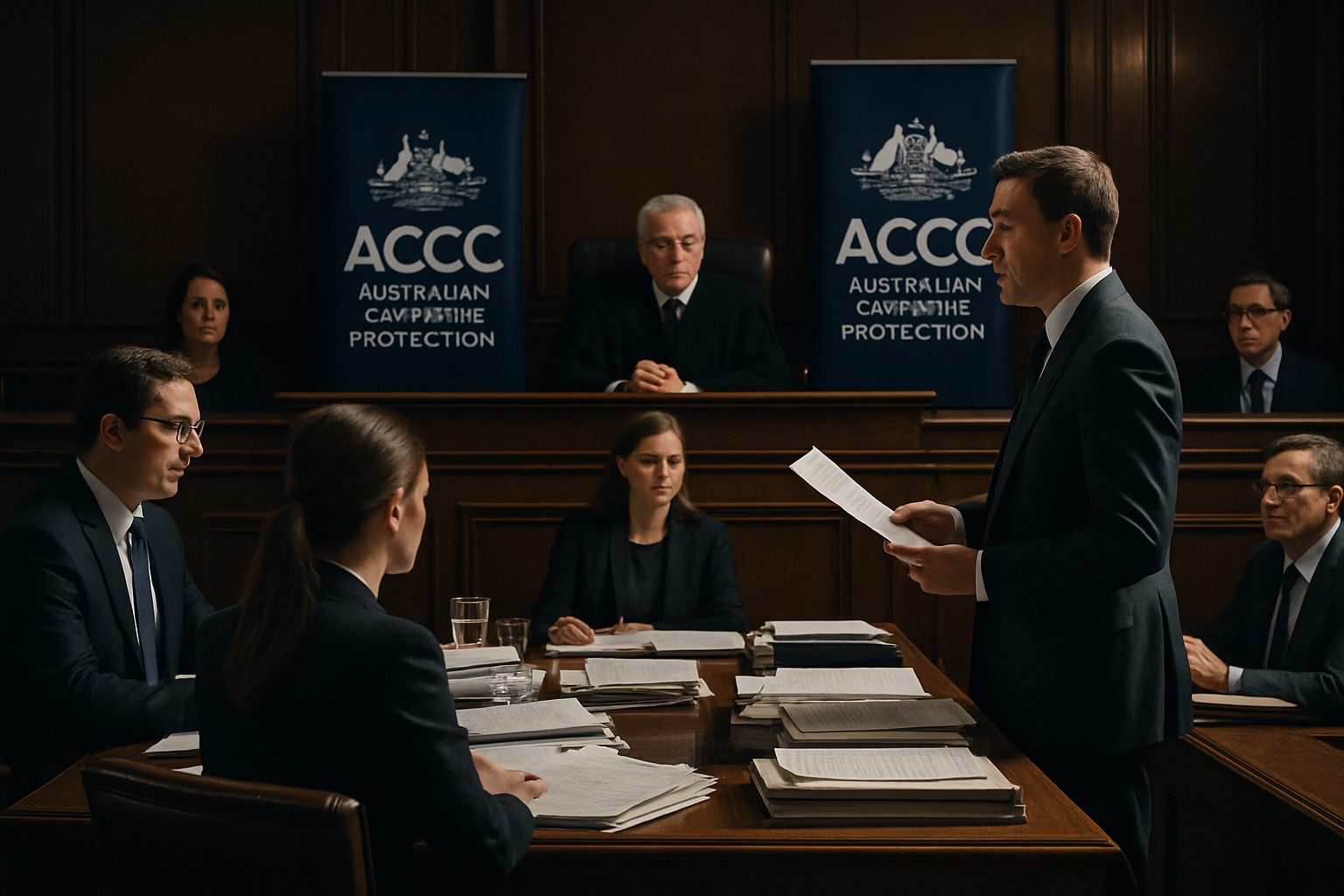
Australia's competition watchdog is waging a high-stakes legal battle against the nation's grocery giants, with fresh allegations that Woolworths employed "subtle magic" to mislead customers through manipulated discount campaigns that may have cost consumers millions of dollars.
The Australian Competition and Consumer Commission (ACCC) told the Federal Court that Woolworths systematically raised prices on hundreds of items for brief periods before dropping them to levels still above original prices under its "prices dropped" promotional campaign. This latest case adds to mounting pressure on Australia's supermarket duopoly amid ongoing concerns about pricing practices and market concentration.
The "Subtle Magic" of Misleading Discounts
ACCC silk Michael Hodge delivered damning testimony to the Federal Court, describing how Woolworths' pricing strategy was designed to deceive consumers. "The subtle magic of the 'prices dropped' message that draws the consumer in is to say that the new stable price is lower than the old stable price," Hodge explained, outlining how the supermarket giant allegedly manipulated customer perceptions.
The case centers on Woolworths' systematic approach to creating artificial discounts by temporarily inflating prices before implementing reductions that still left consumers paying more than original shelf prices. This practice, the ACCC alleges, violates Australian Consumer Law by creating false impressions of savings.
"This court battle is about more than the prices of Tim Tams, Coke and dog food. It goes to the heart of the grocery giants' pricing and marketing methods."
— ACCC Statement to Federal Court
Historical Context: A Pattern of Deceptive Practices
This legal action builds on previous ACCC victories against major supermarket chains. In February 2026, damning evidence emerged in proceedings against Coles, where senior manager Matthew Hankin admitted the company "worked with a supplier to make a product more expensive while still claiming to have discounted it" during their "Down Down" promotional campaign.
The Coles case revealed systematic supplier manipulation, with internal documents showing the supermarket chain "strong-arming suppliers, threatening to strip products from shelves if they refused to meet retailer's pricing demands." These revelations have prompted broader scrutiny of promotional pricing practices across Australia's concentrated retail sector.
Market Concentration Concerns
With Coles and Woolworths controlling approximately 70% of Australia's grocery market, the ACCC argues these pricing practices have particularly significant consumer impact. The concentration of market power means deceptive pricing strategies can affect millions of Australian households with limited alternative shopping options in many areas.
Current Legal Proceedings
The ongoing Federal Court proceedings represent the most significant challenge to Australian retail pricing practices in recent years. Legal experts suggest successful prosecution could establish important corporate accountability precedents for promotional pricing campaigns across the entire retail industry.
Evidence presented includes internal company documents showing coordination with suppliers to artificially inflate prices before promotional discounts, potentially demonstrating systematic consumer deception rather than isolated incidents.
Defence Strategies
Woolworths maintains its defence, likely arguing that pricing practices fell within acceptable promotional parameters and that the company "genuinely cares" about customers. However, the accumulation of internal evidence showing deliberate manipulation strategies presents significant challenges for corporate defence teams.
Consumer Protection Implications
The cases highlight fundamental questions about promotional pricing transparency and consumer protection in concentrated retail markets. Consumer advocates argue these practices particularly harm vulnerable populations who rely on promotional pricing to manage household budgets.
The ACCC's aggressive pursuit of major retailers signals a shift toward stronger enforcement of consumer protection laws, particularly regarding pricing transparency and fair promotional practices.
Financial Impact on Consumers
While specific consumer losses remain subject to court determination, the systematic nature of alleged deceptive pricing could represent millions of dollars in overcharges across hundreds of products over extended periods. The practices allegedly affected everyday essentials including food items, household goods, and personal care products.
Industry Response and Reform Calls
The legal proceedings have prompted calls for comprehensive retail industry reform, including enhanced pricing transparency requirements, stronger penalties for deceptive practices, and improved consumer protection mechanisms.
Industry observers note these cases could fundamentally reshape how major retailers approach promotional pricing, potentially requiring more transparent pricing practices and clearer consumer communication about promotional strategies.
Technological Solutions
Consumer protection advocates are calling for technological solutions including automated price monitoring systems, enhanced digital receipt tracking, and real-time pricing transparency tools to help consumers identify genuine savings versus manipulated promotional pricing.
International Parallels
Australia's consumer protection enforcement aligns with global trends toward stronger retail accountability. Similar cases in other jurisdictions have established precedents for corporate liability in promotional pricing practices, with substantial financial penalties and operational reforms.
The Australian approach is being closely watched internationally as a potential template for addressing concentrated retail market pricing practices in other developed economies.
Looking Ahead: Potential Outcomes
The outcome of these proceedings will determine financial penalties, reputational consequences, and regulatory precedents for promotional pricing across Australia's retail industry. Successful prosecution could lead to:
- Substantial financial penalties for misleading promotional practices
- Mandatory pricing transparency requirements
- Enhanced consumer protection monitoring systems
- Industry-wide promotional pricing reforms
The proceedings continue with additional executive and expert witness testimony expected, as the ACCC builds its case for stronger consumer protection enforcement in Australia's concentrated retail market.
The cases represent a critical test of Australia's consumer protection framework and its effectiveness in addressing deceptive practices by major corporations with significant market power. The outcome will likely influence retail pricing practices and consumer protection enforcement for years to come.