In a time of unprecedented environmental challenges, heartwarming wildlife stories continue to emerge, offering glimpses of hope and resilience that remind us why conservation efforts matter more than ever.
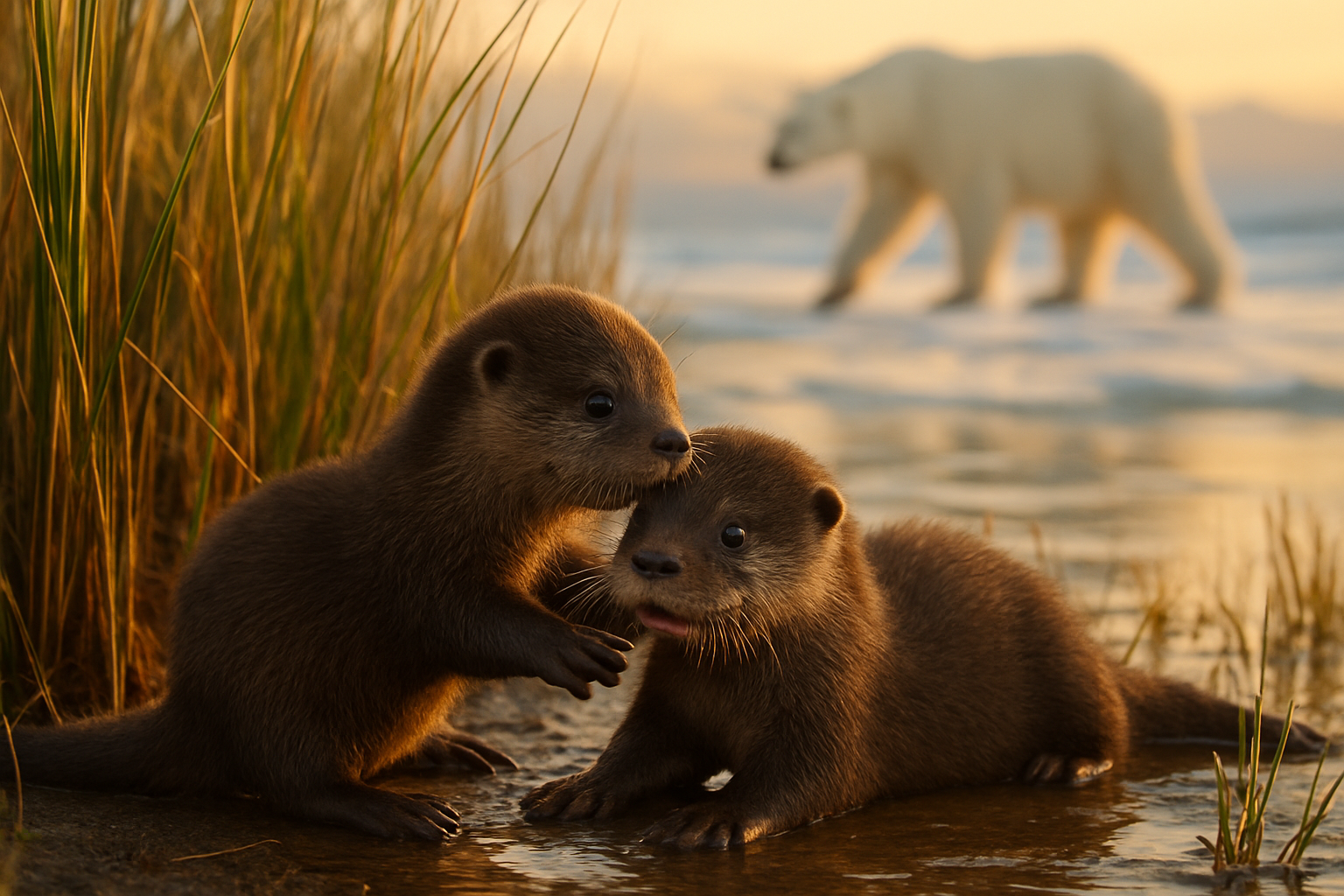
A delightful discovery in Richmond, British Columbia, has captured hearts and highlighted the ongoing success of urban wildlife conservation. River otter pups were found living under a residential shed, representing a remarkable comeback story for a species that has shown extraordinary adaptability to changing environments. The adorable family situation reflects broader conservation successes occurring across North America, where wildlife corridors and habitat restoration efforts have enabled many species to thrive even in urban settings.
Urban Wildlife Success Stories
The Richmond otter discovery exemplifies a growing phenomenon of urban wildlife adaptation. Unlike the unwelcome visitors homeowners might typically encounter—destructive squirrels, skunks, or raccoons—this otter family represents a positive indicator of ecosystem health. River otters require clean water systems and abundant fish populations, making their presence a testament to successful environmental restoration efforts in the Vancouver region.
The story resonates during a period when wildlife conservation faces unprecedented challenges. According to our analysis of conservation data spanning February through April 2026, the world has experienced 24 consecutive months of global temperatures exceeding 1.5°C above pre-industrial levels—the longest sustained warming streak in recorded history. Yet amid this climate crisis, stories like the Richmond otter family demonstrate nature's remarkable resilience when given proper support.
Arctic Conservation Under Pressure
While Canadian otter pups bring smiles, polar bear conservation efforts reveal the urgent realities facing Arctic species. Recent investigation into illegal polar bear skin trade has exposed a complex network operating behind closed doors, despite total hunting bans in countries like Norway. The discovery of a million-dollar market in imported polar bear products highlights the ongoing threats these iconic species face beyond habitat loss from climate change.
Dr. Elena Virtanen, a leading Arctic conservation specialist, emphasizes the critical importance of comprehensive protection strategies. "Polar bears face a triple threat: habitat loss from warming temperatures, illegal trade pressures, and reduced access to traditional prey species," she explains. "Every individual bear represents precious genetic diversity that we cannot afford to lose."
"These species have survived ice ages and adapted to enormous environmental changes over millennia. Our job is to ensure they have the space and protection needed to continue that adaptation."
— Dr. Elena Virtanen, Arctic Conservation Specialist
Global Conservation Renaissance
Both stories unfold within what conservation scientists are calling a "global conservation renaissance"—an unprecedented surge of coordinated international wildlife protection efforts occurring during Earth's most challenging environmental period. From Ecuador's successful reintroduction of 158 giant tortoises to the Galápagos Islands after a 150-year absence, to Zimbabwe's groundbreaking use of DNA forensics in wildlife crime prosecution, the conservation community is demonstrating remarkable innovation and determination.
This renaissance is characterized by sophisticated integration of cutting-edge technology with traditional ecological knowledge. Modern conservation programs employ environmental DNA sampling, satellite monitoring, and AI-powered threat detection while incorporating centuries of indigenous wisdom about wildlife behavior and ecosystem relationships.
Economic Benefits of Wildlife Conservation
The economic implications of these conservation stories extend far beyond their emotional appeal. Canada's thriving otter populations support a multi-billion-dollar eco-tourism industry, while Arctic conservation efforts maintain the region's appeal as a premium travel destination. Countries implementing comprehensive wildlife protection consistently demonstrate greater economic resilience and attract sustainable investment across multiple sectors.
Environmental protection increasingly functions as an economic development strategy rather than a regulatory burden. Ecosystem services provided by healthy wildlife populations—water purification, carbon sequestration, climate regulation—deliver greater long-term economic value than resource extraction activities. Wetland systems where otters thrive prevent billions in flood damage annually, while intact Arctic ecosystems regulate global climate patterns essential for agricultural stability worldwide.
Technology Meets Traditional Knowledge
The success of both urban otter conservation and Arctic protection efforts depends on sophisticated synthesis of modern technology with traditional ecological knowledge. Canadian wildlife managers combine advanced GPS tracking systems with generations of indigenous understanding about otter behavior and habitat preferences. Arctic conservation employs satellite monitoring and genetic analysis alongside traditional Inuit knowledge of polar bear movements and ice conditions.
This integration represents a fundamental evolution in conservation methodology, moving beyond purely technological or traditional approaches toward comprehensive frameworks that combine scientific rigor with cultural sensitivity and community ownership.
Climate Change and Species Adaptation
Both species featured in these stories face the reality of rapidly changing environmental conditions. River otters, while adaptable, must navigate increasingly unpredictable water levels and temperature fluctuations. Urban otter families like those in Richmond benefit from consistent water sources and reduced natural predation, but face new challenges from vehicle traffic and human disturbance.
Polar bears confront even more dramatic changes as Arctic sea ice becomes increasingly fragile. Traditional hunting grounds and denning sites face unprecedented instability, forcing bears to adapt feeding and breeding patterns developed over millennia. Conservation strategies must now account for rapidly changing baseline conditions while maintaining long-term sustainability goals.
International Cooperation Essential
The success of wildlife conservation increasingly depends on unprecedented international cooperation. River otters migrate across watersheds that span multiple jurisdictions, while polar bears traverse boundaries between nations. Ocean currents, atmospheric systems, and species migrations connect ecosystems globally, making unilateral conservation efforts insufficient.
Knowledge sharing between Canadian urban wildlife programs and Arctic conservation initiatives creates global networks that strengthen local capacity while contributing to planetary sustainability. The evolution from traditional North-South aid models toward peer-to-peer cooperation recognizes that developing nations are emerging as environmental solution providers, leveraging local innovations and indigenous knowledge systems.
Community Engagement and Conservation Success
Both conservation stories highlight the critical importance of community engagement. Richmond residents' positive response to their otter neighbors contrasts sharply with typical wildlife conflicts, demonstrating the power of education and appreciation for wildlife's ecological value. Similarly, Arctic conservation efforts succeed when they involve local communities as partners rather than passive recipients of external expertise.
Effective conservation consistently depends on community ownership and engagement, transparent governance frameworks, economic incentives that make protection financially viable for local communities, and sophisticated integration of traditional ecological knowledge with modern conservation science.
Looking Forward: Hope and Urgency
As environmental scientists warn that the action window for effective conservation is narrowing rapidly, with ecological systems approaching critical thresholds that could trigger irreversible changes affecting global food security and climate stability, these wildlife stories offer both inspiration and urgency.
The tools, knowledge, and cooperation frameworks exist for comprehensive environmental protection, as demonstrated by diverse international initiatives achieving remarkable results during Earth's most challenging environmental period. Success depends on sustained international cooperation, enhanced coordination across sectors, and financial commitments that recognize environmental protection as essential infrastructure for human prosperity and planetary sustainability.
The Richmond otter family and Arctic conservation efforts represent more than individual success stories—they exemplify humanity's growing capacity to protect essential natural systems during unprecedented environmental challenges. These heartwarming tales occur within a broader context of conservation innovation, community engagement, and international cooperation that may prove decisive for conservation approaches in the decades ahead.
In an era when climate change dominates environmental headlines, the simple joy of discovering otter pups under a backyard shed and the determined efforts to protect polar bears remind us that conservation is ultimately about preserving the wonder and resilience of life itself. These stories demonstrate that even in the face of global environmental challenges, dedication, innovation, and cooperation can achieve remarkable results for our planet's most precious wildlife.