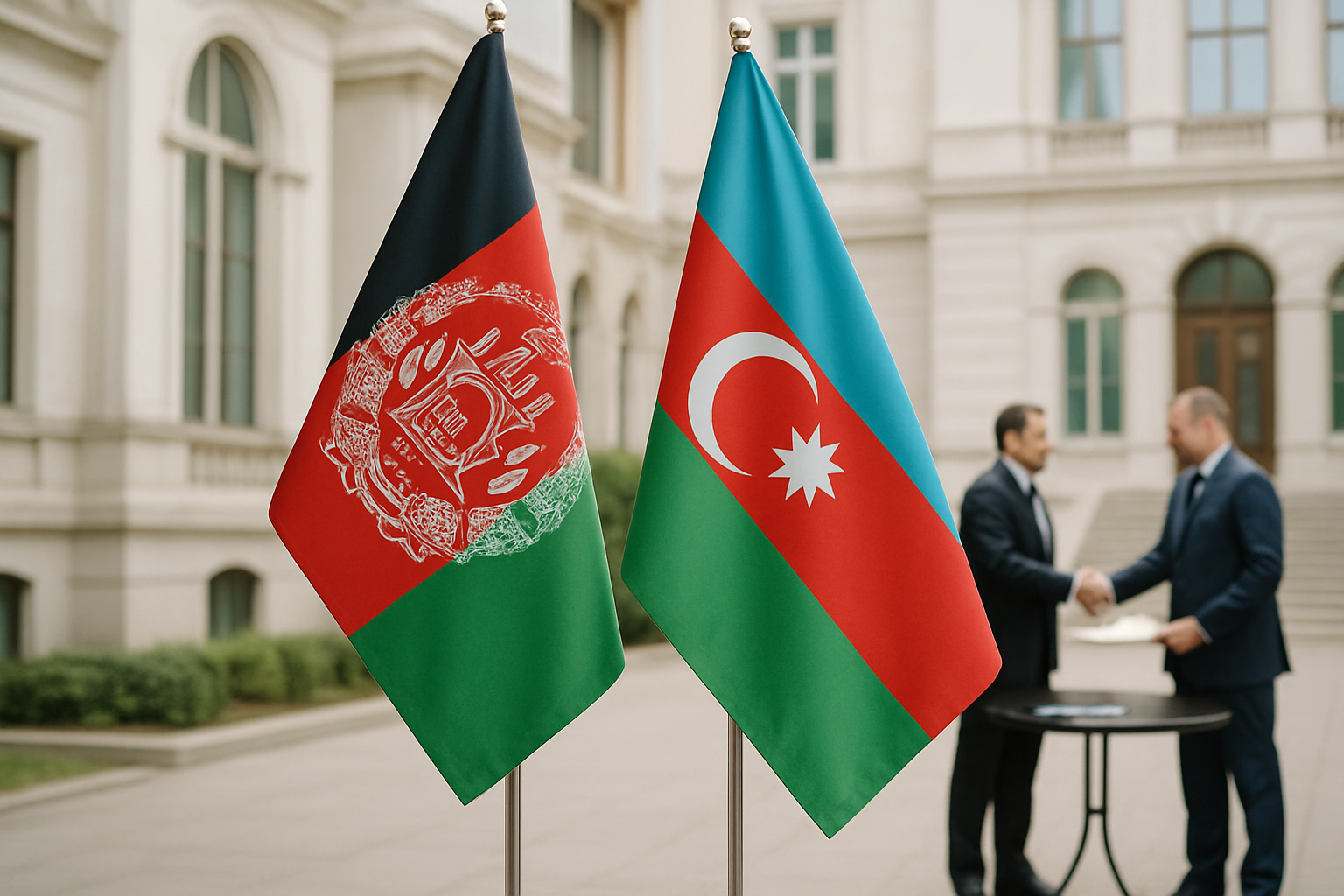
Azerbaijan has released 14 Afghan nationals from its prisons in a significant humanitarian gesture that underscores the growing diplomatic cooperation between Baku and Kabul. The Taliban-run Afghan Foreign Ministry confirmed the release on Saturday, marking the first major prisoner release involving Afghan citizens from Azerbaijan.
The release was facilitated through sustained diplomatic efforts by Afghanistan's embassy in Baku, according to a statement from the Afghan Ministry of Foreign Affairs. While the specific charges or reasons for the original arrests were not disclosed by either government, the coordinated release represents a notable example of prison diplomacy in the region.
"The ministry said in a statement that the release happened following efforts by Afghanistan's embassy in Baku," according to Ariana News, one of Afghanistan's leading news outlets. The Foreign Ministry expressed its appreciation to Azerbaijan and relevant authorities for their cooperation and humanitarian action.
Diplomatic Framework and Cooperation
The prisoner release occurred following an order from Azerbaijani leadership, highlighting the institutional nature of the decision rather than a routine legal process. This suggests high-level political coordination between the two countries on what both nations appear to view as a humanitarian matter.
The Afghan Foreign Ministry's statement emphasized that the Islamic Emirate of Afghanistan will "continue to follow up on and resolve the cases of Afghan prisoners" held abroad, indicating this release may be part of a broader diplomatic initiative to address the situation of Afghan nationals in foreign detention.
"The Ministry of Foreign Affairs expressed its appreciation to Azerbaijan and relevant authorities for their cooperation and humanitarian action."
— Afghan Ministry of Foreign Affairs Statement
The release comes at a time when Afghanistan's Taliban government has been working to establish more formal diplomatic relationships with regional partners, despite limited international recognition since their return to power in 2021.
Regional Context and Broader Implications
This diplomatic development occurs against the backdrop of increasing regional cooperation initiatives in Central Asia and the broader Middle East. Azerbaijan and Afghanistan share interests in regional stability and economic cooperation, particularly given their positions along important trade and energy corridors.
The timing of the release coincides with several other significant diplomatic developments in the region. Recent memory shows similar humanitarian prisoner releases, including the UAE's release of 108 Afghan prisoners on National Day in early February 2026, demonstrating a pattern of regional countries engaging in prisoner diplomacy with Afghanistan.
Afghanistan has been actively working to address the situation of its nationals detained abroad through diplomatic channels. The recent Doha Process counter-narcotics meeting in February 2026 showcased Afghanistan's engagement with international organizations and regional partners on various issues of mutual concern.
Diplomatic Precedents and Prison Diplomacy
The Azerbaijan-Afghanistan prisoner release fits within a broader pattern of prison diplomacy that has become increasingly common in international relations. Similar cases in recent months have included major prisoner exchanges between Ukraine and Russia, as well as various releases involving regional powers and humanitarian considerations.
The success of this diplomatic initiative suggests that despite Afghanistan's complex international status, functional bilateral relationships can be maintained through embassy channels and direct government-to-government communication. This represents a pragmatic approach to diplomacy that prioritizes humanitarian outcomes.
The Afghan embassy in Baku appears to have played a crucial role in facilitating the release, demonstrating the continued functionality of Afghanistan's diplomatic missions in countries where they maintain official representation.
Looking Forward
The successful resolution of this case may serve as a model for similar diplomatic initiatives involving Afghan nationals detained in other countries. The Afghan Foreign Ministry's commitment to "continue to follow up on and resolve the cases of Afghan prisoners" suggests an ongoing diplomatic strategy to address such situations through bilateral engagement.
For Azerbaijan, the humanitarian gesture strengthens its position as a regional mediator and demonstrates its commitment to constructive relationships with neighboring countries. The decision to release the prisoners following high-level orders indicates Azerbaijan's willingness to use diplomatic flexibility to advance regional cooperation.
As both countries continue to navigate the complex regional security and economic environment, this prisoner release represents a positive step in bilateral relations that could pave the way for expanded cooperation in trade, security, and other areas of mutual interest.
The international community will likely view this development as evidence that diplomatic solutions and humanitarian considerations can prevail in regional relationships, even in complex political circumstances. Such examples of successful diplomacy become increasingly important as regional powers seek stability and cooperation in an era of global uncertainty.