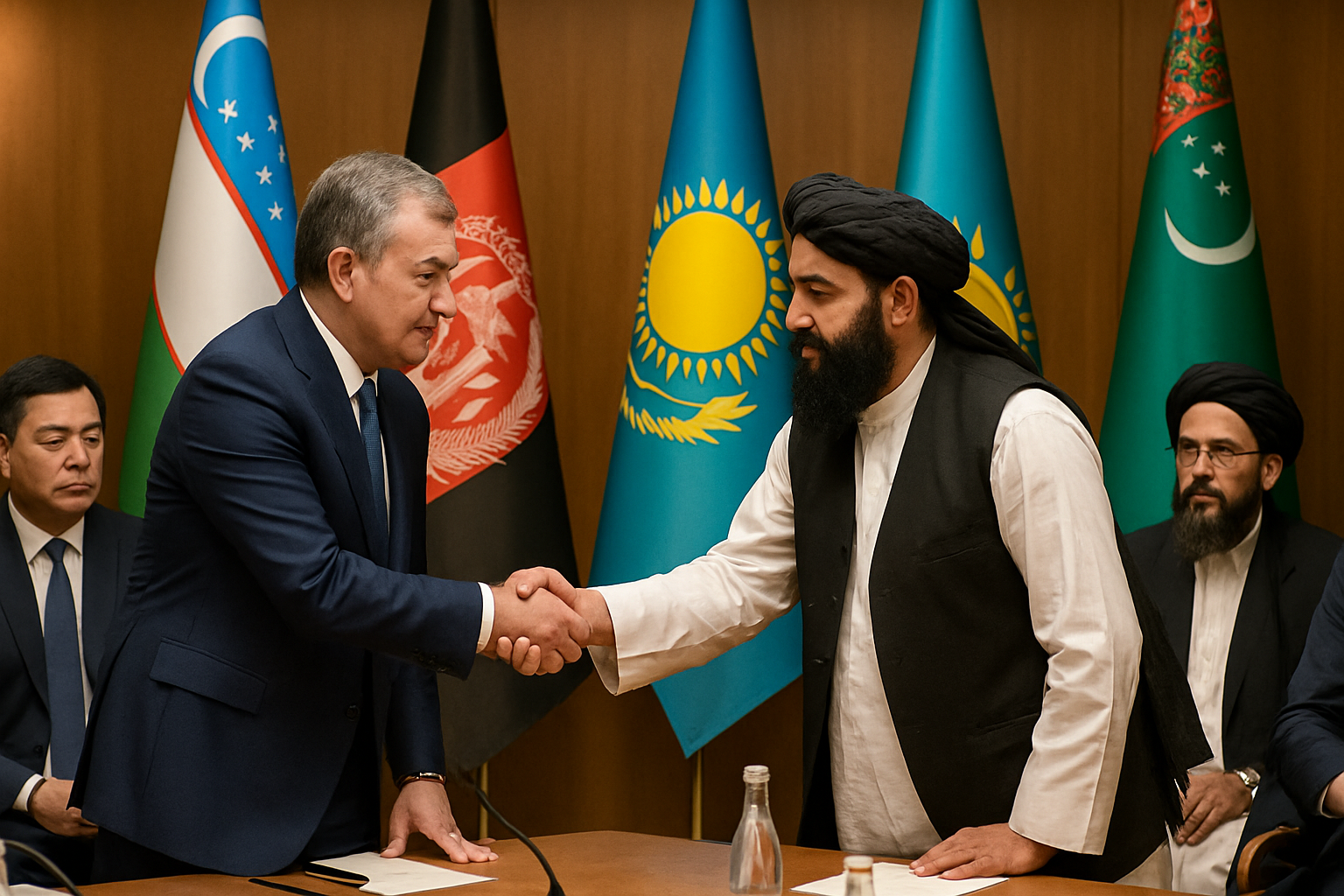
Afghanistan's expanding diplomatic and economic ties with Central Asian countries have reached a significant milestone as Foreign Ministers from Uzbekistan and Afghanistan held high-level discussions on strengthening bilateral cooperation, marking the latest development in a rapidly evolving regional partnership landscape.
Minister of Foreign Affairs of Uzbekistan Bakhtiyor Saidov conducted a telephone conversation with Afghanistan's Minister of Foreign Affairs, Mawlawi Amir Khan Muttaqi, focusing on expanding economic cooperation between the two nations. The diplomatic engagement represents part of a broader Central Asian integration trend that has seen unprecedented growth in cross-border collaboration over the past year.
Building on Historic Trade Foundations
The February 2026 discussions build upon substantial foundations laid in recent months. In February 2026, Afghanistan and Uzbekistan signed 25 comprehensive trade agreements worth $300 million during a high-level business forum led by Afghanistan Minister of Industry and Commerce Nuruddin Azizi and Uzbekistan Syrdarya Governor Erkinjon Turdimov.
These agreements included preferential trade arrangements covering eight Afghan export items and six Uzbek products, with both countries committing to increasing trade volumes beyond 2024 levels. Governor Turdimov emphasized the "long-standing historical and economic links" between the nations, highlighting the active role of Afghan traders in the Syrdarya region.
Strategic Regional Integration
Afghanistan's engagement with Central Asia extends far beyond bilateral relationships with Uzbekistan. The country has been actively participating in regional initiatives that demonstrate its evolving position within Central Asian economic networks.
The ratified Uzbekistan-Afghanistan-Pakistan railway project represents a major connectivity milestone, enabling landlocked nations access to Pakistani ports and international markets through enhanced trade corridors. This infrastructure development, described by Pakistan PM Shehbaz Sharif as a "breakthrough for the region," positions Afghanistan as a crucial transit hub connecting Central Asia to global markets via Gwadar Port and the CPEC framework.
"The agreements represent major milestone in Afghanistan's regional economic integration efforts and Uzbekistan's positioning as Central Asian trade hub."
— Regional Trade Analysis, February 2026
Diplomatic Momentum Across the Region
Afghanistan's diplomatic engagement has extended beyond economic partnerships to encompass humanitarian cooperation and prisoner exchanges. Azerbaijan's recent release of 14 Afghan nationals from its prisons following efforts by Afghanistan's embassy in Baku demonstrates functional bilateral relationships despite Afghanistan's complex international status.
The Taliban-run Foreign Ministry confirmed the release occurred after orders from Azerbaijani leadership, with the Afghan embassy in Baku playing a crucial role in facilitating the diplomatic solution. This represents part of a broader pattern of prisoner diplomacy, including the UAE's release of 108 Afghan prisoners in February 2026.
Counter-Narcotics Cooperation
Afghanistan has achieved remarkable success in counter-narcotics efforts, with officials reporting opium cultivation reduced to near-zero levels following a Supreme Leader decree. This historic development, given Afghanistan previously produced 80% of global opium, has been praised by the international community as having significant global security implications.
The achievement was highlighted during Afghanistan's hosting of the fourth Counter-Narcotics Working Group meeting under the Doha Process at Kabul Grand Hotel in February 2026. The meeting, hosted by UNAMA with participation from Afghan ministries and international organizations, emphasized expanding regional counter-narcotics cooperation with Central Asian countries to combat cross-border trafficking networks.
Economic Challenges and Opportunities
Despite diplomatic progress, Afghanistan continues to face significant economic challenges. A UN Development Programme report revealed that 88% of female-headed households are unable to meet minimum living requirements, compared to 75% of the general population struggling with daily needs. This reflects the devastating impact of Taliban employment restrictions on women since August 2021.
However, the country's strategic geographic position and untapped mineral resources continue to attract international interest. German company Green International has expressed interest in Afghanistan's mineral resources through Ministry of Mines meetings, representing significant international confidence in Afghanistan's untapped trillion-dollar mineral wealth including lithium, copper, and rare earths crucial for renewable energy.
Regional Security Dynamics
The expansion of Central Asia-Afghanistan relations occurs within a complex regional security environment. Pakistan Defense Minister Khawaja Asif renewed threats of airstrikes inside Afghanistan following February 2026 terrorist attacks, while Saudi Arabia has emerged as a key mediator, facilitating the February 2026 release of three Pakistani soldiers captured in October 2025 border clashes.
China has warned the UN Security Council about ISIS-K, al-Qaeda, and ETIM presence in Afghanistan, while regional powers including Kazakhstan's President Tokayev have discussed Afghanistan security impacts with Pakistani leadership. These developments underscore the delicate balance required in regional cooperation efforts.
Looking Forward: Sustained Partnership Development
The framework established through recent Afghanistan-Central Asia cooperation provides foundation for further expansion with regular consultations and review mechanisms planned. Success of these neighboring countries' capacity for mutually beneficial arrangements despite broader geopolitical challenges demonstrates the potential for sustained regional partnership development.
As part of the broader Central Asian economic development trend, these initiatives leverage strategic geographic positions for commerce facilitation while addressing shared challenges including energy security, infrastructure development, and regional stability.
The continued expansion of Afghanistan's ties with Central Asian neighbors represents a pragmatic approach to regional integration that prioritizes economic cooperation and diplomatic engagement over confrontational approaches. With established consultation mechanisms and growing trade frameworks, the partnership trajectory suggests sustained momentum toward deeper regional cooperation in the months ahead.