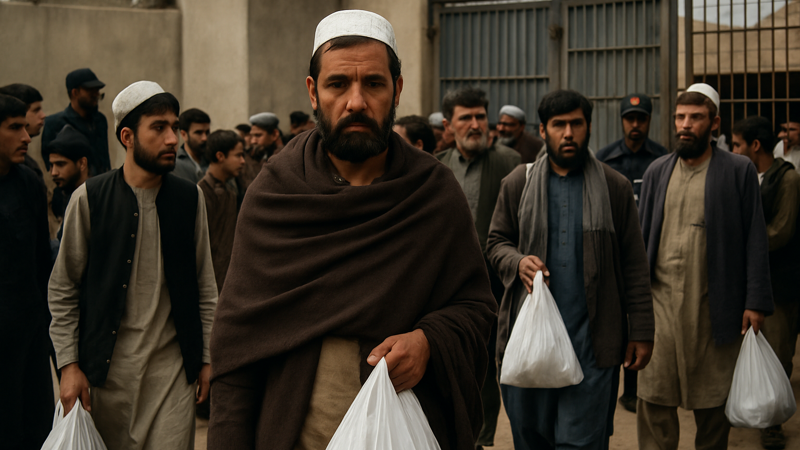
The Afghan consulate in Karachi reported the successful release and repatriation of 105 Afghan nationals from Pakistani prisons on February 16, 2026, marking a significant humanitarian achievement amid ongoing diplomatic tensions between the neighboring countries.
According to official statements from the Islamic Emirate of Afghanistan's consulate in Karachi, the released individuals include two women and ten children who had been detained for approximately one month while traveling through Pakistan's Sindh and Balochistan provinces due to security issues along these routes.
Diplomatic Success Despite Tensions
The consulate confirmed that all 105 Afghan citizens were safely transferred back to Afghanistan via the Chaman-Spin Boldak border crossing, a critical transit point between the two nations. This successful repatriation represents part of ongoing diplomatic efforts by Afghan missions worldwide to secure the release of detained nationals.
"The consulate said the released Afghans were transferred back to Afghanistan via the Chaman–Spin Boldak crossing."
— Islamic Emirate Consulate, Karachi
Taliban officials emphasized that this release is part of broader diplomatic initiatives, noting that in recent months, hundreds of Afghan citizens detained in various countries have been released and returned home through negotiations conducted by Afghan diplomatic missions.
Pakistan's UN Stance on Afghanistan
The prisoner release comes against the backdrop of increasingly complex diplomatic relations between Islamabad and Kabul. Pakistan's UN envoy Asim Iftikhar Ahmad recently delivered pointed remarks at the Security Council, urging Afghanistan to "choose its path carefully" as the international community extended the Taliban sanctions monitoring mission.
Ahmad welcomed the Security Council's unanimous decision to extend the mandate of the 1988 Taliban sanctions monitoring team, describing it as a "clear, unambiguous message" to Afghanistan's current administration. He urged the monitoring team to continue proactive engagement with the Taliban government.
Regional Security Concerns
The diplomatic tensions are compounded by ongoing security challenges along the Afghanistan-Pakistan border. Recent developments have highlighted the complex nature of cross-border relations, with both countries facing internal security issues while managing their bilateral relationship.
Pakistan has been conducting significant counter-terrorism operations in Balochistan province, with reports indicating over 400 militant casualties in February 2026 alone. Meanwhile, disputes continue over terrorism threats, with the Taliban categorically rejecting UN Security Council concerns about ISIS-Khorasan presence in Afghanistan.
Humanitarian Diplomacy in Action
Despite political tensions, the successful prisoner release demonstrates the effectiveness of humanitarian diplomacy. The Afghan consulate's efforts reflect a broader pattern of prisoner diplomacy that has seen recent successes, including Azerbaijan's release of 14 Afghan nationals in February 2026 following diplomatic efforts by Afghanistan's embassy in Baku.
Officials from the Islamic Emirate have reaffirmed their commitment to continuing efforts aimed at protecting the rights of Afghan nationals abroad and facilitating their safe return when detained. This commitment extends beyond Pakistan to include Afghan citizens held in detention facilities worldwide.
Broader Context of Afghan-Pakistani Relations
The relationship between Afghanistan and Pakistan has been marked by periods of cooperation and tension throughout recent history. The current Taliban government has sought to maintain functional diplomatic relations with neighboring countries despite limited international recognition.
Pakistan's position as articulated by its UN representative reflects the international community's cautious approach to engagement with the Taliban government. The extension of sanctions monitoring suggests continued international scrutiny of Afghanistan's compliance with various UN resolutions and commitments.
Looking Forward
The successful repatriation of 105 Afghan citizens represents a positive development in humanitarian terms, demonstrating that diplomatic channels remain effective for addressing urgent human needs despite broader political disagreements.
As both countries continue to navigate complex regional security challenges, such humanitarian successes provide a foundation for potential broader cooperation. The Islamic Emirate's diplomatic missions worldwide continue their efforts to assist Afghan nationals abroad, while Pakistan maintains its position on the need for Afghanistan to meet international expectations.
The incident underscores the importance of maintaining diplomatic communication channels even during periods of political tension, as these connections prove essential for addressing humanitarian concerns and protecting citizen welfare across borders.