Afghanistan is confronting a multifaceted crisis encompassing regional conflicts, international diplomatic tensions, and mounting humanitarian challenges that threaten to further isolate the Taliban-controlled nation from the global community.
The convergence of several critical developments in March 2026 has created what analysts describe as the most complex set of challenges facing Afghanistan since the Taliban's return to power in August 2021. From massive trade disruptions at Middle Eastern ports to escalating border tensions with Pakistan and diplomatic standoffs with European nations, the Islamic Emirate of Afghanistan finds itself navigating an increasingly precarious landscape.
Maritime Trade Crisis Strands Afghan Commerce
The most immediate economic threat comes from the UAE, where approximately 10,000 containers carrying Afghan transit goods have been stranded at Jebel Ali Port due to escalating tensions involving Iran, the United States, and Israel. The Afghanistan Chamber of Commerce and Investment reported that ships carrying Afghan goods remain stuck at the port and nearby waters, creating a humanitarian and economic emergency for the landlocked nation.
This unprecedented disruption of Afghanistan's vital trade lifeline through the UAE demonstrates the country's vulnerability to regional geopolitical tensions. The stranded containers represent millions of dollars in goods and essential supplies for a population already facing severe economic hardship under international sanctions.
Border Violence Escalates with Pakistan
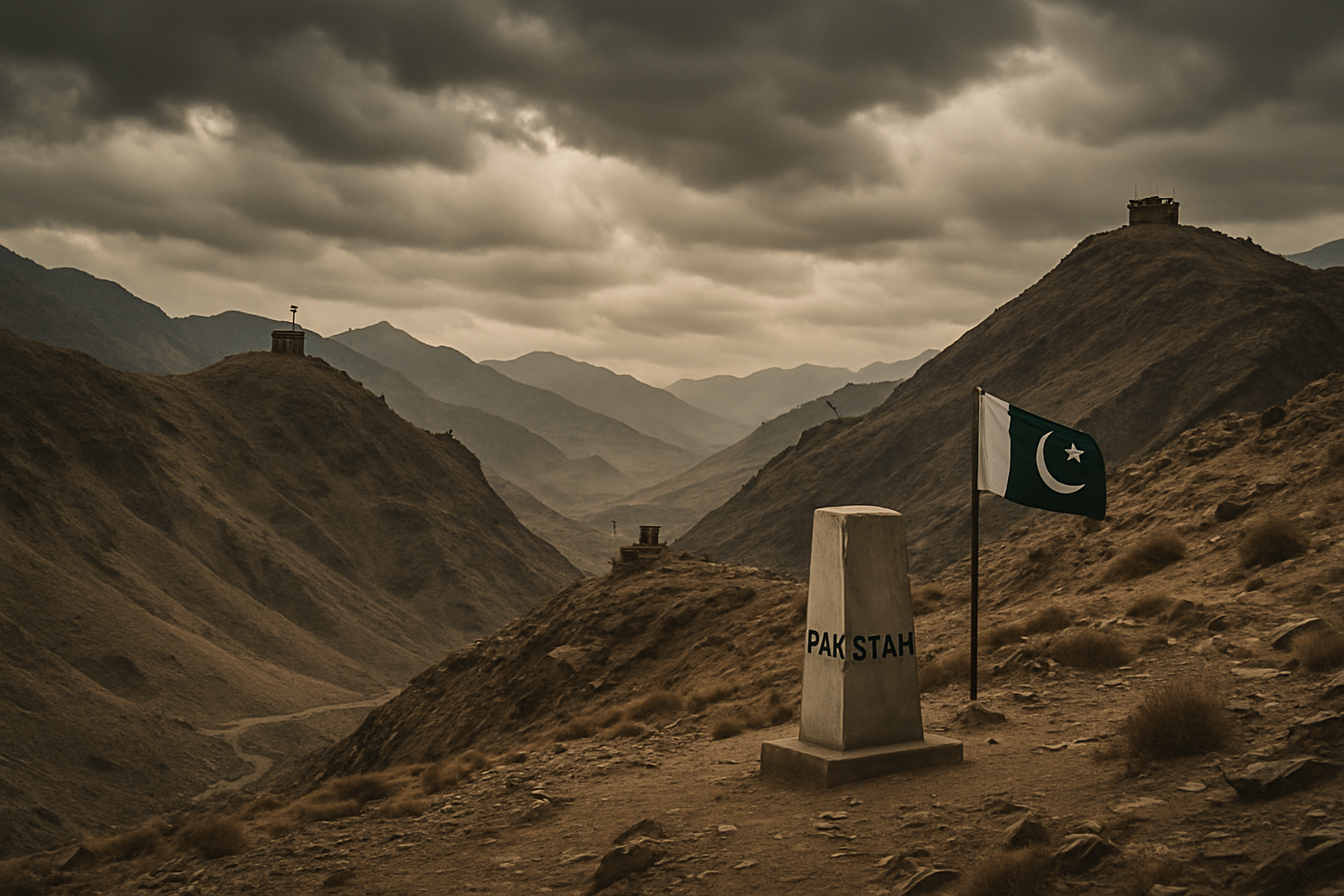
Simultaneously, Afghanistan's eastern border with Pakistan has witnessed a dangerous escalation in military confrontations. Fresh clashes erupted in Zabul Province following the end of a four-day unilateral ceasefire declared by Pakistan. Local sources report that Pakistani border forces conducted artillery shelling on residential areas in the Shamulzai district, prompting defensive responses from Afghan Taliban forces.

The violence represents a continuation of broader tensions that have plagued Afghanistan-Pakistan relations since the Taliban's return. Pakistan maintains that banned militant groups, particularly the Tehrik-e-Taliban Pakistan (TTP), operate with impunity from Afghan soil, while Taliban authorities categorically deny providing sanctuary to anti-Pakistan elements.
These border skirmishes have already claimed numerous civilian lives and displaced thousands of families, adding to Afghanistan's mounting humanitarian crisis. The fighting occurs along the disputed 2,640-kilometer Durand Line, a colonial-era boundary that Afghanistan has never formally recognized.
Diplomatic Isolation Deepens with Germany
Afghanistan's diplomatic troubles extend beyond the region, with Germany formally rejecting Taliban attempts to assert control over the Afghan embassy in Berlin. The German Foreign Ministry stated it does not recognize any Kabul-appointed representative as chargé d'affaires at the Afghanistan embassy, maintaining that no official notification of staff changes had been received.
"The legal status of the embassy will remain unchanged. A diplomat can only be formally recognized as ambassador after being nominated by their home country and granted accreditation by the host government—procedures that have not taken place in this case."
— German Foreign Ministry Spokesperson
This diplomatic standoff reflects the broader international community's continued refusal to grant formal recognition to the Taliban government, despite nearly three years of de facto control over Afghanistan. The Taliban administration's efforts to assert diplomatic authority have been consistently rebuffed by major Western powers.
Sports Withdrawals Highlight International Isolation
The country's international isolation was further underscored when the Afghanistan Football Federation announced that 10 national team players withdrew from the squad ahead of Asian Cup qualifiers. The federation cited family issues, security concerns in the Middle East, and club-related injuries as primary reasons for the late withdrawals.
Afghanistan was scheduled to face Myanmar and Syria in crucial qualifying matches, but the player exodus highlights the practical challenges facing Afghan athletes in international competition. The withdrawals reflect broader concerns about travel safety and political sensitivities that continue to affect Afghanistan's sporting participation on the global stage.
Rare Diplomatic Success: American Prisoner Release
In a notable diplomatic development, the Taliban government announced the release of American citizen Dennis Coyle from prison on humanitarian grounds. The Ministry of Foreign Affairs stated that Coyle's mother had written to the leader of the Islamic Emirate requesting amnesty for her son on the occasion of Eid.
The release was facilitated through diplomatic efforts involving former U.S. special envoy to Afghanistan Zalmay Khalilzad and cooperation from the United Arab Emirates. The Taliban described the action as being "carried out on the basis of humanitarianism and good faith," expressing hope that such measures could strengthen trust between countries.
This prisoner release represents one of the few successful diplomatic engagements between the Taliban administration and Western governments, demonstrating potential pathways for future cooperation despite the absence of formal recognition.
Humanitarian Aid Continues Despite Tensions
Amid the political and security challenges, international humanitarian assistance continues to flow to Afghanistan. The United Kingdom announced an additional £3 million (AFN 257 million) in humanitarian assistance aimed at supporting people affected by natural disasters and other shocks.
The new allocation brings the UK's total bilateral assistance to Afghanistan for the current financial year to £154 million (AFN 13.18 billion). The funding will provide essential nutrition supplies and related support to vulnerable populations, highlighting the ongoing humanitarian need despite political tensions.
Tourism Sector Shows Unexpected Growth
In a surprising positive development, the Afghan Ministry of Information and Culture reported that approximately 2.3 million domestic and foreign tourists visited the country's recreational areas and natural attractions during the Eid al-Fitr holidays. This represents a significant increase compared to previous years and indicates potential growth in the tourism sector.
Ministry spokesperson Khubaib Ghufran emphasized that extensive cooperation between security institutions enabled tourists to travel to different parts of the country with confidence during the holiday period. The tourism figures suggest that domestic stability has improved in some regions, despite ongoing security challenges along the borders.
Regional and International Implications
The convergence of these various crises highlights Afghanistan's precarious position in regional and international affairs. The country remains heavily dependent on neighboring nations and international partners for trade, diplomatic engagement, and humanitarian assistance, yet continues to face restrictions and isolation due to Taliban governance policies.
The stranded containers at Jebel Ali Port particularly underscore how regional geopolitical tensions can have devastating effects on Afghanistan's already fragile economy. As a landlocked nation, Afghanistan relies heavily on maritime routes through neighboring countries for international trade, making it vulnerable to disruptions beyond its control.
The ongoing border tensions with Pakistan represent perhaps the most serious security challenge, with potential for escalation that could destabilize the entire region. The disputed Durand Line remains a fundamental source of disagreement that affects not only bilateral relations but also regional counter-terrorism efforts.
Looking Forward
As Afghanistan navigates these multiple crises, the Taliban administration faces the challenging task of balancing domestic governance, regional security cooperation, and international diplomatic engagement. The recent prisoner release and tourism growth suggest some areas of progress, while the trade disruptions, border violence, and diplomatic isolation highlight persistent challenges.
The international community continues to grapple with how to engage with the Taliban government on humanitarian and practical issues while maintaining pressure for improvements in human rights, particularly women's rights and inclusive governance. The current crisis period may serve as a test case for future Taliban-international relations and the prospects for Afghanistan's reintegration into the global community.
The resolution of these interconnected challenges will likely require sustained diplomatic engagement, regional cooperation, and continued humanitarian support to prevent further deterioration of Afghanistan's already dire humanitarian situation.