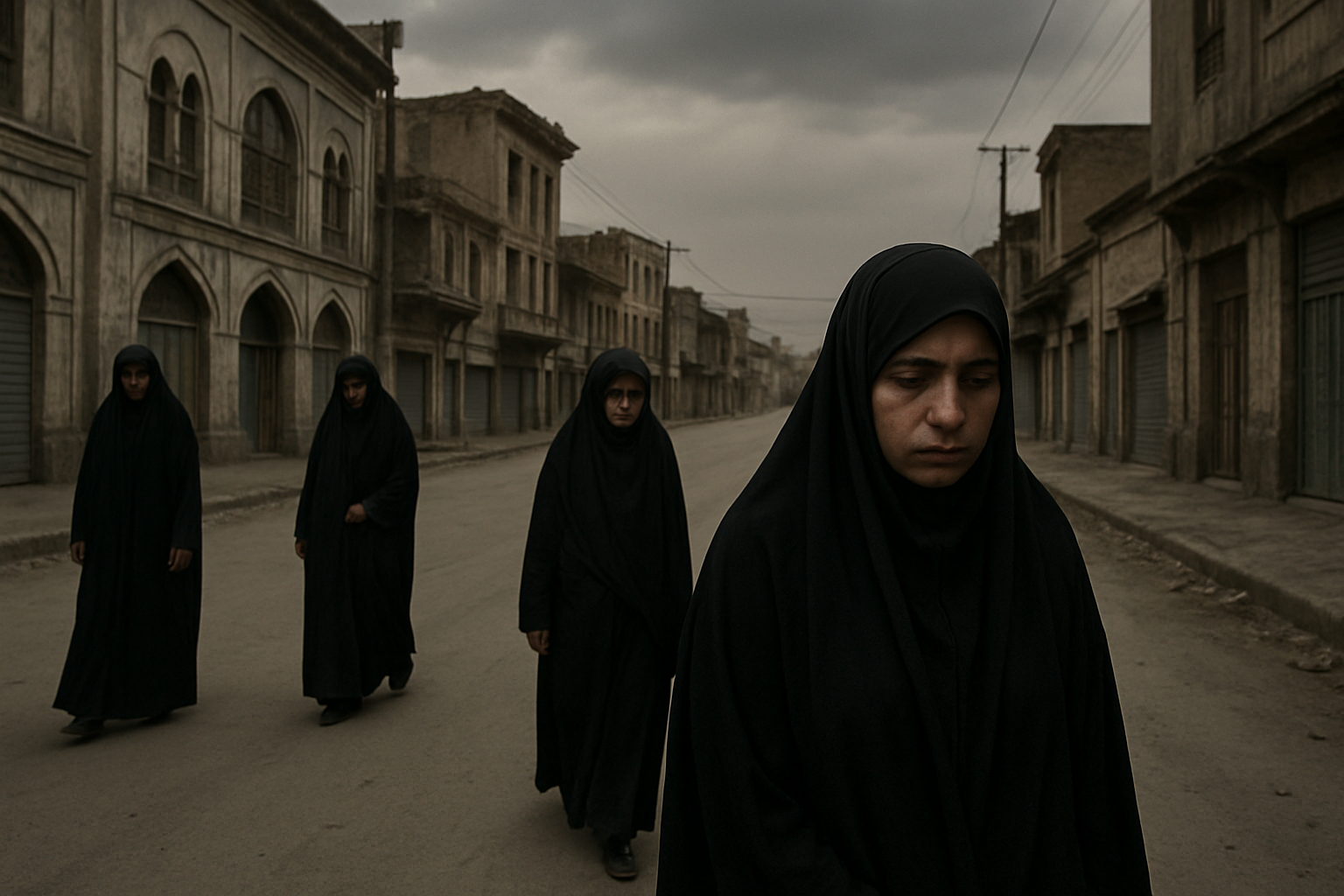
Afghanistan has been ranked last among 181 countries in the latest Women, Peace and Security Index, underscoring the devastating impact of Taliban restrictions that have systematically excluded women from education, employment, and public life since August 2021.
The Georgetown Institute for Women, Peace and Security report places Afghanistan at the bottom of the global ranking, with Denmark taking the top position. This stark positioning reflects what UN experts describe as the most severe restrictions on women's rights anywhere in the world, creating what amounts to a "gender apartheid" system under Taliban governance.
Systematic Exclusion from Society
Since regaining power in August 2021, the Taliban has implemented comprehensive restrictions that have effectively erased women from Afghan public life. These measures include bans on female education beyond primary school, restrictions on employment except in limited healthcare roles, and prohibitions on women's participation in most aspects of society.
The crisis has reached catastrophic proportions, with UN Development Programme data revealing that 88% of female-headed households cannot meet minimum living requirements, compared to 75% of the general population. This represents approximately half of Afghanistan's workforce being systematically excluded from economic participation, creating structural damage that affects the entire population.
"The sweeping restrictions and sharp international funding cuts are severely undermining Afghan women's access to essential healthcare services, deepening an already fragile health system."
— Richard Bennett, UN Special Rapporteur on Afghanistan
Healthcare System in Crisis
The impact on Afghanistan's healthcare infrastructure has been particularly severe. UN Special Rapporteur Richard Bennett warned that the health system faces acute shortages of female medical professionals due to systematic restrictions on women's participation. This creates a critical gap, as cultural and religious norms require female patients to be treated by female healthcare providers.
The World Health Organization delivered medical oxygen to 23 hospitals across 12 provinces in Kabul and 11 other provinces in February 2026, addressing critical shortages in devastated infrastructure. However, international aid cuts have forced hundreds of health center closures, creating a healthcare vacuum during what WHO describes as the worst humanitarian crisis in 25 years.
Educational Devastation
The Taliban's education restrictions have created an entire generation of girls denied access to secondary and higher education. The crisis extends beyond individual impact to represent a systematic weakening of Afghanistan's human capital and long-term development prospects.
Despite humanitarian organizations like the World Food Programme providing school meals to 880,000 children in 2025, the exclusion of girls from secondary education represents an unprecedented educational emergency. International experts argue these restrictions violate fundamental human rights and potentially constitute crimes under international law.
International Response and Sanctions
The international community has struggled to balance humanitarian engagement with political condemnation of Taliban policies. UN Women condemned Taliban Order No. 12, which banned women from national and international civil society organizations. Special Representative Susan Ferguson described this as a "serious violation of human rights" that deepens gender-based violence and worsens humanitarian conditions.
The crisis has complicated diplomatic relations, with the Taliban facing continued sanctions while arguing that restrictions imposed during the crisis period are no longer compatible with current Afghanistan realities. At a February UN Security Council session, Taliban Deputy Spokesperson Hamdullah Fitrat called repeated sanctions "not logical" while emphasizing "tangible progress" in Afghanistan.
Economic Collapse and Humanitarian Emergency
The systematic exclusion of women from the workforce has created severe economic consequences extending far beyond gender issues. With women representing approximately half of Afghanistan's potential workforce, their exclusion has created structural economic damage affecting service delivery and creating gaps that impact the entire population.
The International Federation of Red Cross and Red Crescent Societies served 2+ million people in 2025, supporting 128+ healthcare centers, while maintaining operations amid deteriorating conditions. However, the scale of need far exceeds available resources, with emergency services struggling to address the compound crisis of political restrictions, economic collapse, and humanitarian emergency.
Cultural and Legal Implications
The Taliban justifies many restrictions through religious interpretations, describing protection of sovereignty and population as "religious obligations and national duties." However, international legal experts and Islamic scholars worldwide have challenged these interpretations, arguing that such comprehensive restrictions violate both international human rights law and authentic Islamic principles.
The crisis has particular resonance during Ramadan and other religious periods, when cultural and religious sensitivities are heightened. Critics argue that the Taliban's policies contradict Islamic traditions of education, women's participation in society, and community welfare.
Regional and Global Implications
Afghanistan's women's rights crisis has broader implications for regional stability and international development goals. The systematic exclusion of half the population from education and economic participation undermines post-conflict reconstruction efforts and creates long-term instability factors.
Regional powers, including China, have warned about the presence of ISIS-K, al-Qaeda, and ETIM terrorist groups in Afghanistan, contradicting Taliban claims of having "defeated terrorism." The interconnected challenges of governance limitations, security concerns, and humanitarian crisis create complex dynamics requiring sustained international attention.
Looking Forward: Uncertain Prospects
As Afghanistan continues to rank last in global women's rights assessments, the international community faces difficult choices about engagement strategies. Humanitarian organizations continue working through established UN and World Bank channels, but the scale of restrictions creates systematic challenges to effective assistance delivery.
The upcoming 61st UN Human Rights Council session in Geneva is expected to present comprehensive documentation of the crisis with recommendations for international action to protect the fundamental rights of systematically excluded Afghan women and girls.
Meanwhile, Afghan women continue to face what amounts to gender-based persecution, with their exclusion from education, employment, and public life representing one of the most severe rollbacks of women's rights in modern history. The Georgetown Institute's ranking serves as a stark reminder that Afghanistan's women's rights crisis represents not just a national tragedy, but a global challenge to fundamental principles of human dignity and equality.