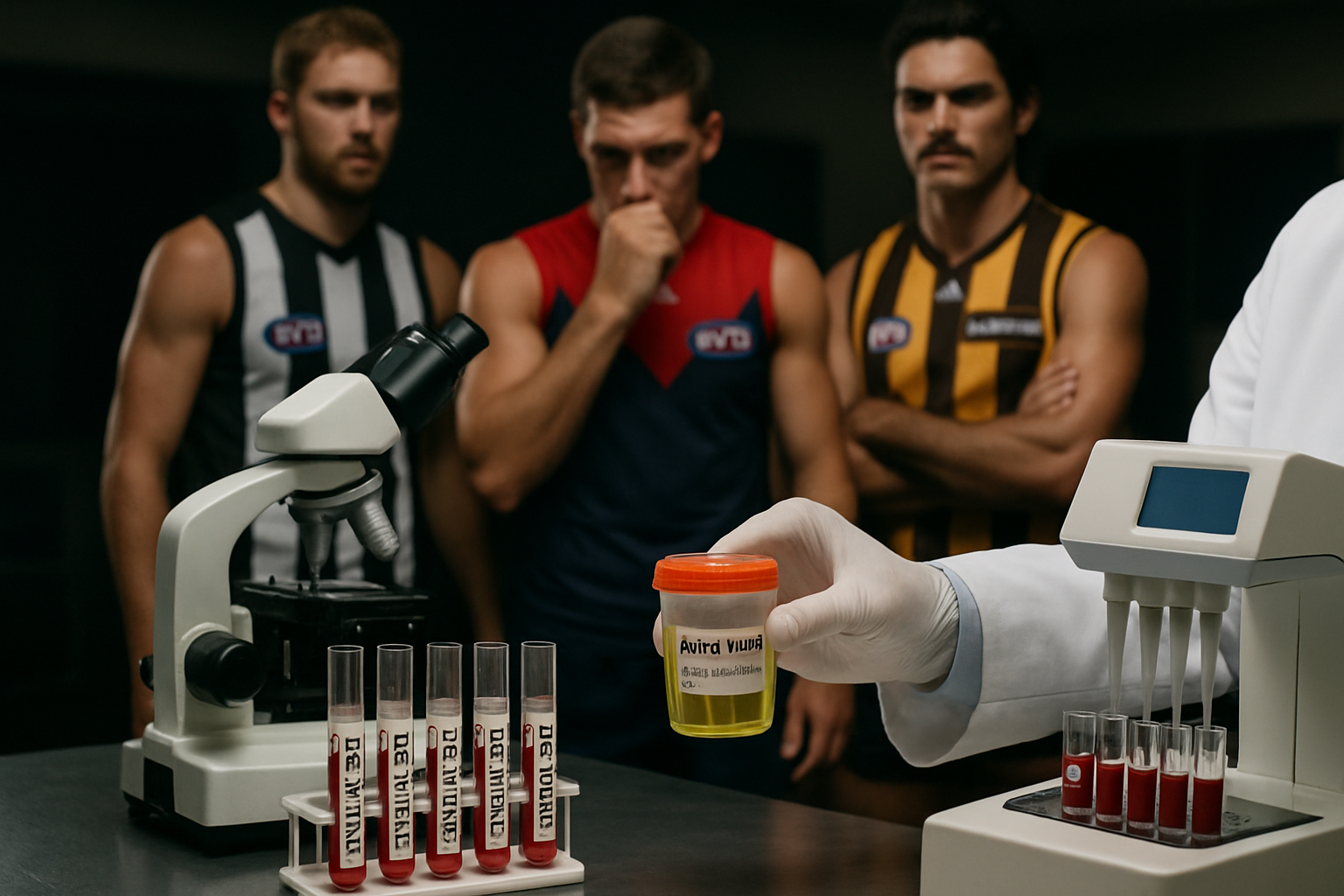
The Australian Football League has introduced what it describes as the most stringent illicit drug policy in Australian sport, featuring mandatory biannual hair testing for all players, as a separate legal challenge grows with more than 100 former footballers now joining a multimillion-dollar concussion class action lawsuit.
The twin developments represent the most significant policy and legal challenges facing Australia's premier football code in recent years, highlighting the sport's ongoing struggle to balance player welfare with competitive integrity and legal accountability.
Revolutionary Drug Testing Regime
The AFL's new illicit drugs policy centers on comprehensive biannual hair-testing of all players across the league, a move officials claim sets a new standard for professional sport in Australia. Hair testing offers significant advantages over traditional urine or saliva tests, providing a detection window of up to 90 days compared to just days for other methods.
This detection capability means players cannot avoid consequences through timing their substance use around testing schedules, a limitation that has historically undermined random testing programs across various sports. The policy represents a fundamental shift from reactive to proactive drug enforcement in professional Australian sport.
AFL CEO Andrew Dillon emphasized the policy's comprehensive nature, stating it addresses both performance-enhancing and recreational drug use with equal severity. The league's approach builds on lessons learned from other major sporting organizations worldwide that have grappled with similar challenges.
Legal Storm: Concussion Class Action Grows
Simultaneously, the AFL faces mounting legal pressure as eight more former players joined the expanding concussion class action lawsuit, bringing the total to over 100 participants. All plaintiffs allege they suffered brain damage from their playing careers, with the legal action now representing one of the largest sport-related health lawsuits in Australian history.
The class action encompasses players from multiple eras of Australian football, reflecting decades of accumulated medical knowledge about head injuries in contact sports. Plaintiffs argue the AFL failed to adequately protect players from preventable brain trauma and did not provide sufficient information about long-term health risks.
Legal experts describe the case as potentially precedent-setting for professional sport liability in Australia, with implications extending beyond football to rugby league, rugby union, and other contact sports. The lawsuit's expansion demonstrates growing awareness among former players about the connection between their sporting careers and subsequent health problems.
Historical Context of AFL Drug Policies
The AFL's drug policy evolution reflects broader societal changes in attitudes toward substance use in professional sport. Previous policies focused primarily on performance-enhancing drugs, with recreational substances often handled through health and welfare programs rather than punitive measures.
This approach changed dramatically following several high-profile incidents involving AFL players and illicit substances. The league faced increasing pressure from sponsors, broadcasters, and government officials to demonstrate zero tolerance toward illegal drug use among players who serve as role models for young Australians.
The new policy represents the culmination of extensive consultation with medical experts, player representatives, and international sporting organizations. Hair testing technology has been successfully implemented in other sports worldwide, including professional cycling and American football leagues.
Medical and Legal Implications
The convergence of stringent drug testing and the expanding concussion lawsuit creates complex medical and legal challenges for the AFL. Both issues involve fundamental questions about player autonomy, informed consent, and the league's duty of care toward athletes.
Medical experts note that some substances prohibited under the new drug policy may be prescribed for legitimate health conditions, including mental health treatments. The policy must balance competitive integrity with players' rights to appropriate medical care, particularly for conditions that may themselves be related to the physical demands of professional football.
The concussion class action similarly involves complex medical evidence about the long-term effects of head trauma. Scientific understanding of chronic traumatic encephalopathy (CTE) and related conditions has advanced significantly since many of the plaintiff players' careers, raising questions about what the AFL knew and when.
Industry Impact and Precedent
The AFL's initiatives are being closely monitored by other Australian sporting organizations, including the NRL, Cricket Australia, and various state-based leagues. Success or failure of the new drug policy could influence similar measures across Australian professional sport.
International sporting bodies are also watching developments, as Australia's relatively small but highly professional sporting landscape often serves as a testing ground for policies later adopted globally. The AFL's approach to both drug testing and concussion liability may inform similar decisions in other countries.
The economic implications are substantial, with the drug testing program requiring significant ongoing investment in laboratory services and administrative systems. The concussion lawsuit, if successful, could result in compensation payments running into tens of millions of dollars.
Player and Club Responses
AFL Players' Association representatives have expressed cautious support for enhanced player welfare measures while emphasizing the importance of due process and player rights. The union has negotiated safeguards to ensure the drug policy cannot be used arbitrarily against players.
Club officials generally support the policy as providing clarity and consistency across the competition, though some have expressed concerns about implementation costs and potential impacts on player recruitment. The biannual testing schedule requires careful coordination with training and competition calendars.
Some current players have publicly endorsed the stricter approach, arguing it protects the sport's integrity and their own professional reputations. Others have raised concerns about privacy and the potential for false positives, though hair testing is generally considered more reliable than alternative methods.
Broader Sporting Landscape
These developments occur within Australia's evolving sporting culture, which increasingly emphasizes athlete welfare alongside competitive performance. Recent years have seen growing awareness of mental health issues, concussion protocols, and substance use problems among professional athletes.
The AFL's initiatives align with broader trends toward evidence-based policy-making in professional sport, drawing on medical research and international best practices. This approach contrasts with previous policies that were often reactive responses to specific incidents rather than comprehensive preventive strategies.
Government oversight of professional sport has also intensified, with federal and state agencies taking greater interest in player welfare standards. The Australian Sports Anti-Doping Authority (ASADA) has worked closely with the AFL on policy development, ensuring alignment with national and international anti-doping frameworks.
Future Implications
The success of the AFL's new drug policy will likely be measured through multiple metrics, including compliance rates, reduced substance-related incidents, and player health outcomes. Early indicators suggest strong initial compliance, though the policy's true effectiveness will only be apparent over multiple seasons.
The concussion class action's resolution will significantly influence how Australian sporting organizations approach duty of care toward athletes. A substantial settlement could prompt wholesale changes in how contact sports manage head injury risks, potentially including rule modifications and enhanced medical protocols.
Both initiatives reflect the AFL's attempt to position itself as a leader in professional sport governance, balancing commercial interests with genuine commitment to player welfare. The league's handling of these challenges will likely influence its reputation and commercial viability for years to come.
As Australian sport continues to evolve in the 21st century, the AFL's current initiatives represent a critical test of whether traditional sporting organizations can adapt to contemporary expectations while preserving the competitive elements that define their appeal. The outcomes will resonate far beyond Australian football, potentially influencing professional sport governance worldwide.