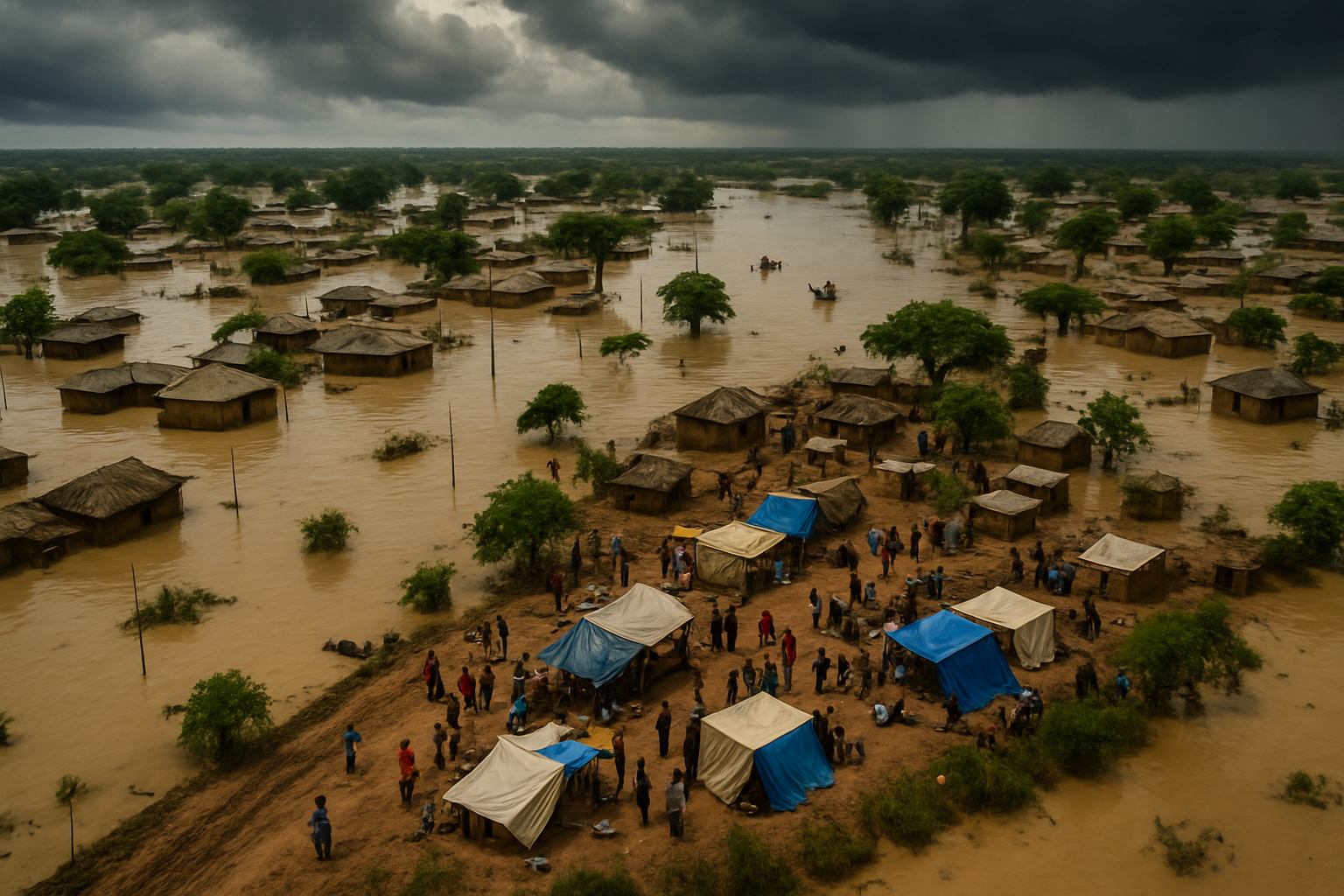
Severe flooding has devastated multiple regions across Africa since October 2025, affecting millions of people and creating one of the continent's most pressing humanitarian crises in recent years, as international aid agencies struggle to mount an adequate response to the unfolding disaster.
The crisis has intensified dramatically in January 2026, with extreme rainfall patterns causing widespread emergencies across northern and southern Africa. The United Nations has issued urgent appeals for international assistance as the situation continues to deteriorate, with rescue and relief operations stretched beyond capacity.
Mozambique Bears the Brunt of Devastation
Mozambique is experiencing what officials describe as its worst flooding in decades, coming just months after the country was recovering from a devastating drought. The dramatic shift from extreme drought to catastrophic flooding has created a complex humanitarian emergency that has caught many communities unprepared.
According to latest reports, nearly 700,000 people have been directly affected by the flooding in Mozambique, with over 100,000 forced from their homes into temporary emergency shelters. Entire communities have been cut off as floodwaters submerged homes, farmland, and critical infrastructure including roads and bridges.
"These are humanitarian kits, which may include tarpaulins, food aid, medical supplies, to help improve the situation for the people who are suffering."
— Spanish Cooperation Official
Spain has stepped forward to provide immediate assistance, delivering water purification equipment capable of supplying clean water to more than 15,000 people daily. The donation also includes essential humanitarian supplies such as tarpaulins, food aid, and medical equipment to address the mounting crisis.
Morocco Evacuates Entire City
In a dramatic escalation of the crisis, Moroccan authorities have been forced to evacuate over 50,000 people from the northwestern city of Ksar el-Kebir, representing nearly half the city's entire population. The unprecedented evacuation came as weeks of torrential rains threatened to completely inundate the urban area.
"The city has become a ghost town. The dam is full and we don't know how long this situation will last."
— Hicham Ajttou, Local Resident
The mass evacuation has left Ksar el-Kebir resembling a "ghost town," according to local residents who describe scenes of abandonment as authorities struggle to manage overflowing dam systems. The situation highlights the vulnerability of urban populations to extreme weather events across the region.
Sudan's Compound Crisis
Adding to the continent's humanitarian burden, Sudan continues to face a prolonged conflict that has persisted for nearly three years. UNICEF reports that approximately 17.3 million children are currently in desperate need of assistance, victims of the ongoing violence and instability that has plagued the country.
The combination of conflict and extreme weather events across Africa has created a complex web of humanitarian challenges that international organizations are struggling to address simultaneously with limited resources.
International Response Falls Short
The World Health Organization has raised alarming concerns about shrinking global health funding colliding with rising disease threats and conflict situations. WHO Director-General Dr. Tedros Adhanom Ghebreyesus warned that these funding shortfalls are creating dangerous vulnerabilities precisely when countries are attempting to finalize new pandemic preparedness agreements.
The timing of the funding crisis has proven particularly challenging for humanitarian responses across Africa, where multiple emergencies are occurring simultaneously. Aid agencies report being overwhelmed by the scale of need while operating with increasingly constrained budgets.
Climate Patterns and Future Risks
The current flooding crisis represents a continuation of extreme weather patterns that have been intensifying across Africa in recent years. The rapid transition from severe drought to catastrophic flooding in countries like Mozambique demonstrates the increasing volatility of regional climate systems.
Meteorologists and climate experts warn that such extreme weather swings are likely to become more frequent and severe, requiring fundamental changes to emergency preparedness and response strategies across the continent.
Urgent Appeal for International Support
The United Nations has issued urgent appeals for increased international assistance to address the mounting humanitarian crisis. The appeals specifically call for:
- Emergency funding for immediate relief operations
- Water purification and sanitation equipment
- Medical supplies and healthcare support
- Temporary shelter materials and food aid
- Transportation resources for isolated communities
As the situation continues to evolve, humanitarian organizations emphasize that rapid international response will be critical to preventing the crisis from escalating further. The combination of natural disasters, ongoing conflicts, and funding constraints has created a perfect storm of challenges that requires coordinated global action.
The current crisis serves as a stark reminder of Africa's vulnerability to extreme weather events and the urgent need for improved disaster preparedness and climate adaptation strategies across the continent. With millions of lives hanging in the balance, the international community faces a critical test of its commitment to humanitarian principles and disaster response capabilities.