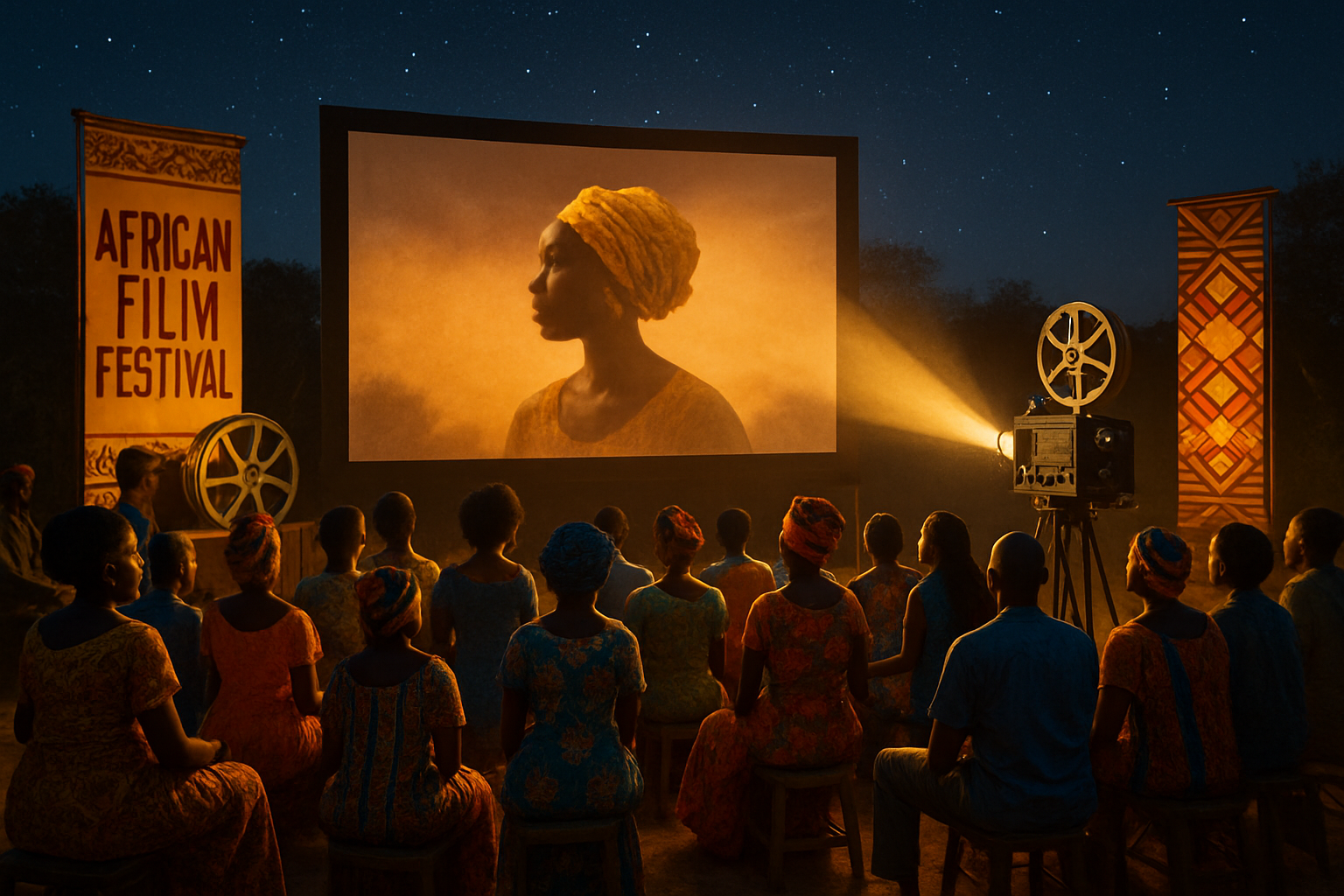
The African film industry is experiencing a remarkable renaissance as national film commissions report record attendance at local festivals and increased investment in homegrown productions, with Namibia and Burkina Faso leading the continental transformation.
The Namibia Film Commission (NFC) recently concluded its highly successful 2026 film week, with organizers reporting extraordinary public turnout and unprecedented industry participation. The event signals growing momentum in Namibia's film sector, reflecting broader trends across African cinema that are reshaping the global entertainment landscape.
Namibia's Film Week Sets New Standards
The NFC's 2026 film week has been hailed as a breakthrough moment for Namibian cinema, demonstrating the country's emergence as a significant player in African filmmaking. The strong public response indicates growing appetite for locally-produced content that reflects authentic African experiences and perspectives.
Industry participation reached new heights, with filmmakers, distributors, and cultural organizations collaborating to showcase the diversity and quality of Namibian storytelling. The success builds on the broader "February 2026 Cultural Renaissance" documented across the African continent, where traditional cultural expressions are finding innovative new platforms while maintaining their authentic roots.
Burkina Faso's Theatrical Innovation
Simultaneously, Burkina Faso is making headlines with its vibrant cinema scene, exemplified by the theatrical release of "Maman déteste ma Belle-Mère," a suspenseful new film that has captured audiences' imagination. The production represents a sophisticated collaboration between multiple production houses: Waati Films, Gemme 7 Prod, and Christall Production.
Written and directed by Oumar Dagnon, the film features an impressive cast of regional talent including Flora Ilboudo, Laure Guiré, Aaron Ouédraogo, Landy Gala, Issaka Sawadogo, and Désiré Yaméogo. The project demonstrates the maturation of West African cinema, where local stories are being told with international production values while preserving cultural authenticity.
"Don't miss this cinematic event of the moment! Ciné Burkina invites you to discover this new suspense-filled film."
— Promotional announcement, Ciné Burkina
Continental Patterns of Growth
These developments in Namibia and Burkina Faso reflect broader patterns across African cinema. Recent analysis reveals that countries investing in authentic cultural programming with technology integration and international cooperation achieve sustainable development while serving local needs and gaining global recognition.
The success of African cinema stems from several key factors: community engagement with authentic cultural expression, strategic technology integration that enhances rather than replaces traditional storytelling methods, and economic multiplier effects through cultural tourism and international partnerships.
From Nigeria's Nollywood to South Africa's growing film industry, African cinema is demonstrating that local authenticity combined with professional production values creates content that resonates both domestically and internationally. The economic impact extends far beyond box office receipts, generating employment in creative industries, boosting tourism, and enhancing countries' cultural soft power on the global stage.
Technology Meets Tradition
African filmmakers are successfully navigating the intersection of traditional storytelling and modern technology. Digital platforms are democratizing distribution while preserving cultural specificity. International streaming services are increasingly recognizing the commercial potential of authentic African content, providing new revenue streams for local producers.
The approach emphasizes technology as an enhancement tool rather than a replacement for human creativity and cultural wisdom. This philosophy has proven successful in other creative sectors across the continent, from music to visual arts, where digital tools amplify authentic expression rather than diminishing it.
Economic Impact and Cultural Diplomacy
The film industry's growth represents more than entertainment—it serves as a vehicle for cultural diplomacy and economic development. Film festivals and productions generate significant tourism revenue, create jobs across multiple sectors, and establish international relationships that benefit broader economic and diplomatic initiatives.
Nations treating film and culture as essential infrastructure report competitive advantages in tourism, international relationships, and community development. The strategic positioning of culture as equivalent to transportation and healthcare systems reflects a sophisticated understanding of the creative economy's potential.
International Recognition and Collaboration
African cinema's renaissance is being noticed globally. International film festivals are increasingly featuring African productions, while co-production agreements with European, American, and Asian partners are providing new funding sources and distribution networks.
The success of films like Tim Winsey's "Mandjeli" album in Burkina Faso, which honors Griot traditions while addressing contemporary themes, demonstrates how African artists are creating content that bridges traditional and modern sensibilities. These works serve multiple functions: heritage preservation, community bonding, economic development, and international cultural exchange.
Future Prospects
The momentum building across African cinema suggests sustainable growth ahead. Investment in educational infrastructure, international exchange programs, and technology platforms for global distribution is creating conditions for long-term success.
Policy frameworks that protect cultural heritage while encouraging innovation are emerging across the continent. These initiatives demonstrate how communities can maintain authentic cultural expression while embracing technological tools and international collaboration opportunities.
The success of festivals in Namibia and theatrical releases in Burkina Faso provides practical templates for other African nations seeking to develop their film industries. The key lies in balancing cultural authenticity with professional production standards, local relevance with universal appeal, and traditional wisdom with contemporary innovation.
As the African film industry continues to mature, it serves as a powerful example of how authentic cultural expression can achieve global recognition while maintaining local significance. The renaissance represents not just entertainment industry growth, but a broader affirmation of African creativity, resilience, and cultural richness finding its rightful place on the world stage.