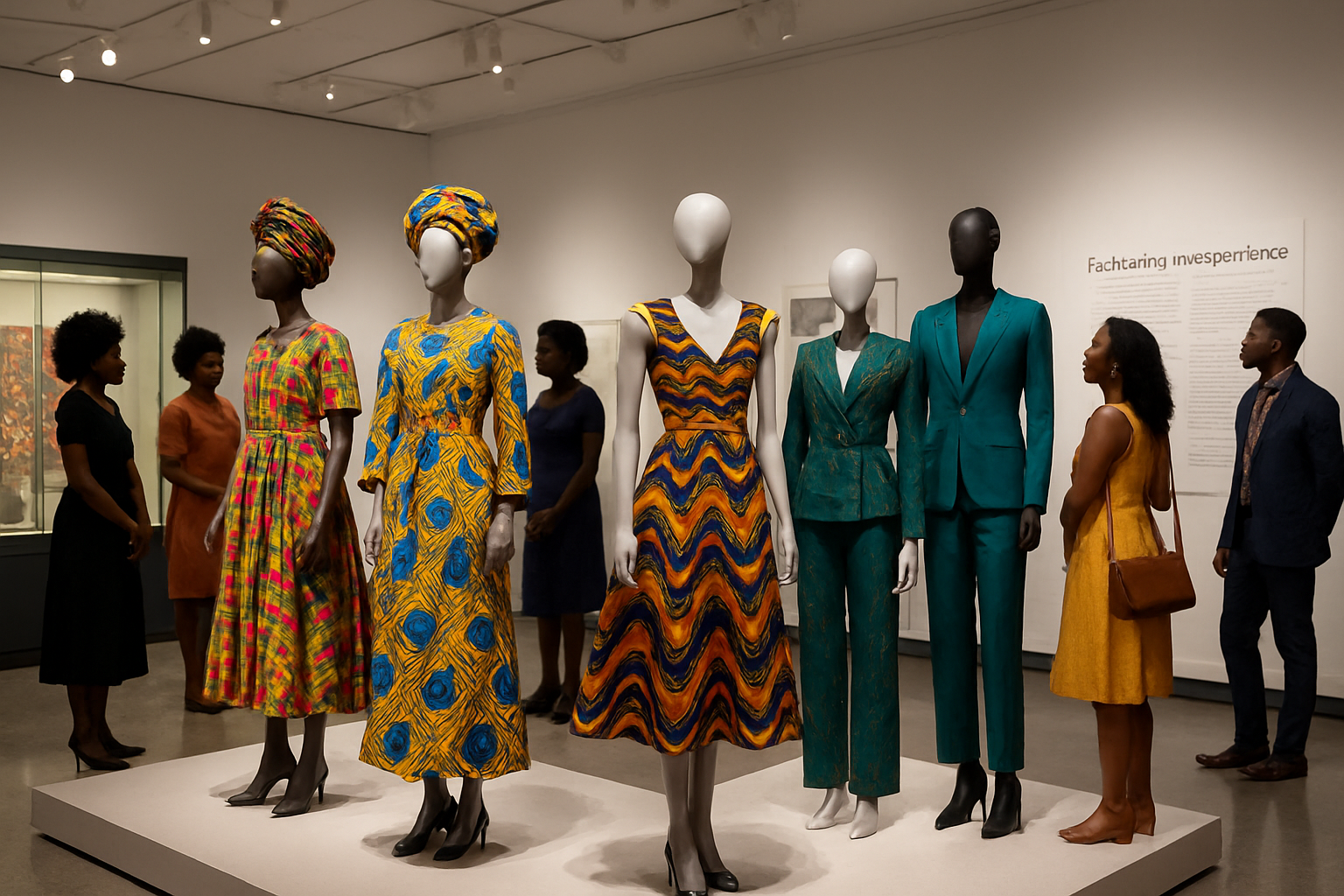
For decades, African designers have channeled changing notions of identity and aspiration into fashion, creating a rich tapestry of cultural expression that spans from the independence era to today's global runways. The exhibition "Africa Fashion," now showing at the Quai Branly museum in Paris, explores this remarkable journey of the continent's styles, revealing how politics and glamour have intertwined to shape one of the world's most dynamic fashion landscapes.
The exhibition represents a watershed moment for African fashion on the international stage, occurring during what cultural experts have identified as the "2026 Cultural Renaissance" – a global movement emphasizing authentic cultural expression enhanced by technology while maintaining traditional foundations. This comprehensive presentation at one of Paris's most prestigious cultural institutions signals a fundamental shift in how African creativity is perceived and celebrated worldwide.
From Independence to International Recognition
The "Africa Fashion" exhibition traces a compelling narrative that begins with the post-independence period when newly sovereign African nations sought to define their cultural identity through fashion. During the 1960s and 1970s, African designers emerged as cultural ambassadors, creating garments that celebrated traditional aesthetics while asserting modern African identity on the global stage.
This historical foundation provides crucial context for understanding contemporary African fashion's international success. Recent developments across the continent demonstrate remarkable continuity with these early pioneers. In Kenya, Generation Z designers are driving a fashion revolution that builds upon traditional African aesthetics while incorporating cutting-edge digital marketing and sustainable practices. Young Kenyan designers are creating innovative brands that engage in sophisticated cultural dialogue, balancing authentic cultural expression with commercial viability.
The economic impact has been substantial, with Nairobi's fashion districts experiencing a surge in youth-led entrepreneurship. Kenya's strategic position as an East African economic hub, combined with established textile infrastructure and vibrant cultural traditions, has created an ideal ecosystem for fashion innovation. Local suppliers of traditional materials report increased demand, while fashion schools are experiencing growing enrollment as young people recognize fashion as a viable career path.
Cultural Diplomacy Through Design
African fashion has emerged as a powerful form of cultural diplomacy, with designers serving as ambassadors who present sophisticated contemporary African perspectives that challenge historical stereotypes. Several Kenyan brands have gained attention at major fashion weeks, demonstrating how authentic cultural expression can achieve international recognition while maintaining local relevance.
This success has inspired regional movements across Uganda, Tanzania, and Ethiopia, each maintaining distinctive characteristics while sharing learning and resources. The collaborative approach has proven more effective than individual competition, with designers creating cooperative networks that reduce costs and increase market access through combined orders and shared resources.
The exhibition showcases how fashion serves multiple functions beyond commerce – acting as a vehicle for cultural reclamation, pride, and narrative creation that transcends colonial legacies. For diaspora communities, African fashion provides tangible connections to heritage, while for the continent itself, it demonstrates that authentic cultural expression can create economic opportunities while strengthening global cultural bonds.
Technology Meets Tradition
The contemporary African fashion movement exemplifies successful technology-tradition synthesis, a key principle of the 2026 Cultural Renaissance. Designers are employing digital marketing platforms while preserving traditional craft techniques passed down through generations. This approach allows for global reach without sacrificing authenticity or cultural integrity.
Advanced documentation techniques used in the Quai Branly exhibition enable global accessibility while protecting original garments. Digital archives ensure that traditional techniques are preserved for future generations, while virtual reality components allow international audiences to experience the cultural contexts that inspire contemporary African design.
The sustainability consciousness prominent in contemporary African fashion contrasts sharply with fast fashion's environmental costs. Many designers emphasize recycled materials, slow fashion principles, and traditional techniques that prioritize quality and longevity over rapid consumption. This approach resonates with global consumers increasingly concerned about environmental impact and authentic craftsmanship.
Economic Renaissance and Global Recognition
The exhibition occurs amid broader African cultural and economic developments that position fashion as a strategic industry. Recent success stories demonstrate the sector's potential as an engine for comprehensive development. The movement is creating employment across the entire value chain, from textile production to international distribution, while generating substantial multiplier effects through cultural tourism and creative industry partnerships.
International recognition has expanded beyond fashion weeks to include diplomatic and cultural events where African designers showcase their work to global audiences. This visibility has attracted international investment and partnerships, while also inspiring policy frameworks that support creative industries across the continent.
The economic implications extend to heritage tourism, with fashion-focused cultural tourism generating revenue for communities while preserving traditional crafts. Museums and cultural institutions worldwide are recognizing African fashion as worthy of serious academic and artistic study, leading to exhibitions, research partnerships, and educational programs that further enhance the sector's legitimacy and growth potential.
Contemporary Challenges and Opportunities
Despite remarkable progress, African fashion designers continue to face significant challenges, particularly in access to capital and international distribution networks. However, innovative solutions are emerging through cooperative approaches and technology integration. Shared resources and combined orders have proven effective in reducing costs, while digital platforms enable direct access to international markets.
Climate change poses additional challenges, affecting both traditional material sources and outdoor cultural practices. However, the industry's emphasis on sustainability and traditional techniques provides adaptive advantages. Many African designers are pioneering climate-resilient approaches that could influence global fashion industry practices.
The balance between cultural authenticity and commercial viability remains a central concern. Success requires maintaining traditional craftsmanship while embracing necessary modernization and market access. The most successful designers have achieved this balance by positioning traditional techniques as premium features rather than limitations, creating products that command higher prices while preserving cultural integrity.
Global Impact and Future Prospects
The "Africa Fashion" exhibition represents more than historical documentation – it demonstrates fashion's power to unite communities, transcend boundaries, and create sustainable foundations for future cultural and economic development. The success of African designers on international stages provides compelling evidence that authentic cultural expression can achieve global appeal while maintaining local significance.
This approach creates sustainable models that serve community needs while achieving international recognition. The template demonstrates that cultural authenticity can function as a competitive advantage in global markets, attracting consumers who value meaningful experiences over standardized products.
The exhibition's timing during the 2026 Cultural Renaissance underscores fashion's role in the broader global movement toward authentic cultural expression enhanced by technology. African fashion's success provides inspiration for creative industries worldwide, demonstrating that heritage preservation and contemporary innovation can reinforce rather than compete with each other.
Legacy and Inspiration
As visitors move through the "Africa Fashion" exhibition at the Quai Branly museum, they encounter more than beautiful garments – they witness the remarkable capacity of human creativity to adapt, preserve, and innovate across generations. The exhibition demonstrates how African designers have successfully navigated the complex relationship between tradition and modernity, creating a fashion movement that honors the past while embracing the future.
The success of African fashion serves as a powerful reminder that cultural authenticity and global competitiveness are not mutually exclusive. Instead, they can reinforce each other to create sustainable creative industries that contribute to both local development and global cultural enrichment. The exhibition stands as testament to the power of fashion to tell stories, preserve heritage, and build bridges between communities across the world.
For the future, African fashion's trajectory suggests continued growth and influence, with young designers building upon the foundations laid by their predecessors while embracing new technologies and global opportunities. The "Africa Fashion" exhibition captures this dynamic evolution, showcasing a continent whose creative vision continues to shape global culture while remaining deeply rooted in its own rich traditions and aspirations.