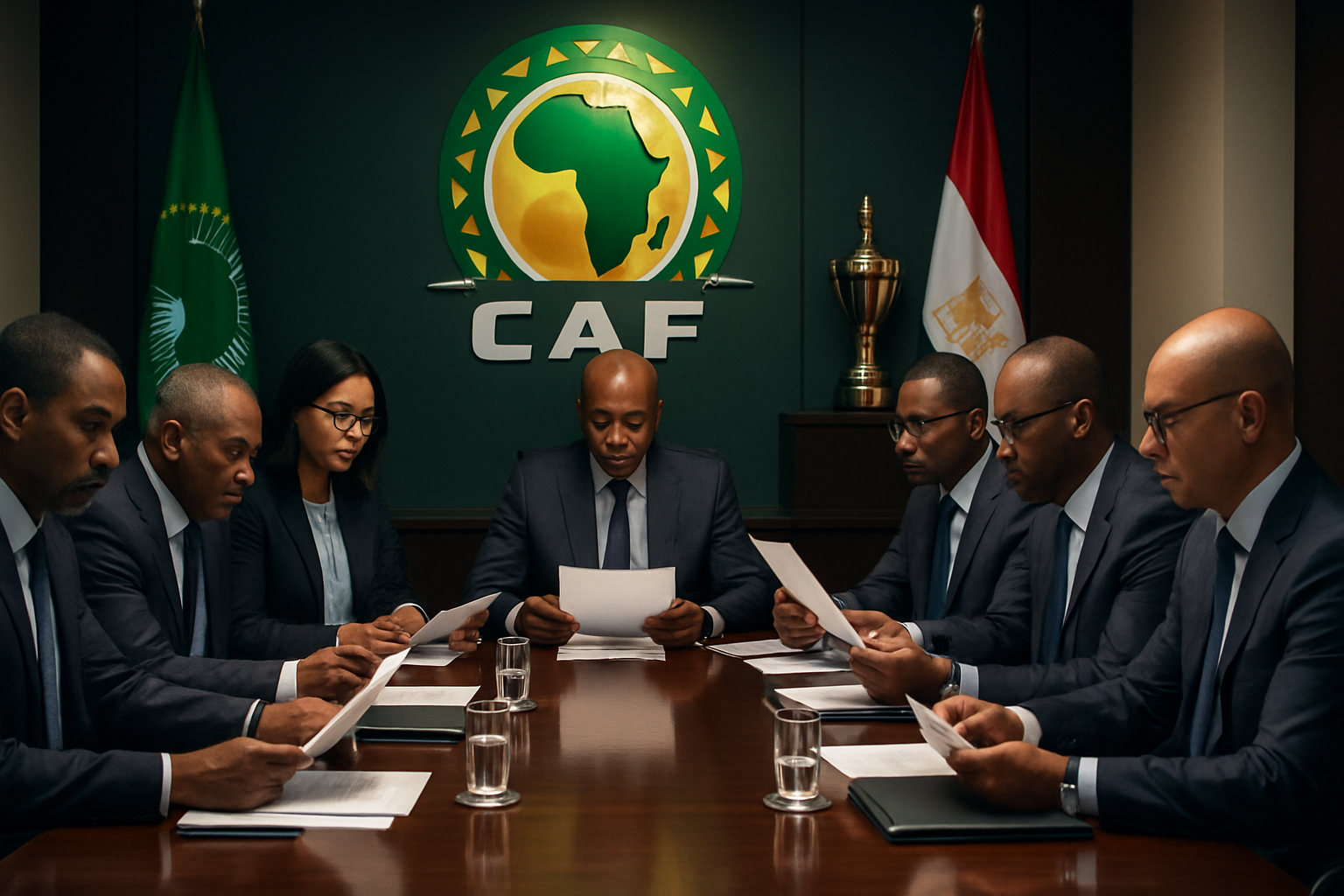
Significant administrative changes across African football are reshaping the governance landscape, from the Confederation of African Football's celebration of emerging talent to major leadership developments in Gabon's football federation and coaching changes affecting French clubs with African players.
The most prominent development comes from the Confederation of African Football (CAF), which has launched a comprehensive tribute to Algeria goalkeeper Luca Zidane's breakthrough performance during the 2025 Africa Cup of Nations tournament. CAF's official social media channels released a commemorative postcard under the theme "A New Legacy," highlighting Zidane's decision to represent Algeria despite his father Zinedine Zidane's choice to play for France internationally.
CAF's Strategic Youth Development Narrative
CAF's tribute to Luca Zidane represents more than simple player recognition – it demonstrates the confederation's sophisticated approach to talent retention and narrative development. The organization emphasized that the 2025 AFCON "was not just about football, but about returning to roots," directly referencing Zidane's choice to represent his father's homeland after the legendary midfielder represented France throughout his career.
The confederation's statement highlighted Zidane's journey as carrying "a heavy legacy" while forging his own path in African football. This messaging reflects CAF's broader strategic emphasis on cultural identity and continental pride, particularly significant given the ongoing challenges of European clubs recruiting young African talents who might later choose to represent their birth nations over their parents' countries of origin.
Gabon's FEGAFOOT Electoral Process
In Gabon, Axel Nguema Edou has emerged as a declared candidate for the Football Federation of Gabon (FEGAFOOT) presidency, advocating for increased transparency in the electoral process. Nguema Edou's candidacy represents a new generation of football administration leaders seeking to modernize African federation governance structures.
The candidate has specifically called for reforms to ensure greater transparency in federation operations, addressing longstanding concerns about accountability in African football governance. This push for transparency aligns with broader continental trends toward more democratic and open football administration, particularly following various corruption scandals that have affected African football federations in recent years.
Nguema Edou's platform emphasizes the need for systematic reforms that would bring FEGAFOOT's operations in line with international best practices while maintaining the federation's focus on developing Gabonese football talent. His candidacy comes at a crucial time when African federations face increased scrutiny from both FIFA and domestic stakeholders regarding governance standards.
French Football Coaching Instability Affects African Players
The ripple effects of football administration changes extend beyond Africa's borders, particularly impacting African players in European leagues. FC Nantes, the French Ligue 1 club featuring Egyptian international Mostafa Mohamed, announced the dismissal of head coach Antoine Kombouaré due to deteriorating team performance.
The coaching change at Nantes has immediate implications for Mohamed, who has been a key figure in Egypt's recent international campaigns. Reports suggest that Vahid Halilhodzic, the experienced Bosnian coach with extensive African football experience, is being considered as Kombouaré's replacement. Halilhodzic previously coached Morocco's national team and has deep knowledge of African player development and management styles.
This coaching transition highlights the complex ecosystem of African football development, where players often develop their careers in European leagues while maintaining strong connections to their national teams. The choice of coaching staff at European clubs can significantly impact how African players develop and perform for both club and country.
Administrative Trends Across African Football
The current wave of administrative changes across African football reflects several broader trends reshaping the sport on the continent. First, there is increased emphasis on transparency and democratic governance, as seen in Nguema Edou's campaign platform in Gabon. This trend responds to both FIFA's governance requirements and domestic pressure for more accountable football administration.
Second, African football organizations are placing greater emphasis on cultural identity and talent retention, exemplified by CAF's celebration of players like Luca Zidane who choose to represent African nations. This represents a strategic response to the ongoing challenge of European clubs identifying and recruiting young African talents before they commit to representing African national teams.
Third, the interconnected nature of modern football means that administrative decisions in European clubs increasingly impact African football development. The coaching changes at clubs like Nantes, which employ prominent African internationals, demonstrate how European football decisions ripple through African football systems.
Governance Evolution and Future Challenges
These administrative developments occur against the backdrop of broader governance evolution in African football. CAF has implemented various reforms in recent years aimed at improving transparency, financial management, and democratic processes across member federations. The confederation's emphasis on celebrating players who choose African representation supports these broader objectives.
However, significant challenges remain. Many African federations continue to struggle with limited financial resources, inadequate infrastructure, and governance issues that affect their ability to develop and retain talent. The push for transparency in federations like FEGAFOOT represents important progress, but implementing meaningful reforms requires sustained commitment and support from both FIFA and continental partners.
The coaching instability at European clubs employing African players also highlights ongoing challenges in player development pathways. While European leagues provide crucial development opportunities for African talents, frequent coaching changes can disrupt player development and impact their performance for national teams.
Impact on Player Development and International Competition
The administrative changes across African football have direct implications for player development and international competition. CAF's strategic messaging around players like Luca Zidane aims to encourage other dual-nationality players to choose African representation, potentially strengthening continental teams for future competitions.
Meanwhile, the push for better governance in federations like FEGAFOOT could improve domestic football development infrastructure, creating better conditions for identifying and nurturing local talent. Improved federation governance typically translates to better youth development programs, coaching education, and competitive structures.
The coaching situation at European clubs remains a complex factor in African player development. While clubs like Nantes provide platforms for players like Mostafa Mohamed to develop at high levels, coaching instability can impact both individual player growth and the broader development of African football expertise in European leagues.
Looking Forward: Continental Football Governance
As African football administration continues evolving, these recent developments suggest several key trends that will likely shape the sport's future on the continent. The emphasis on transparency and democratic governance, exemplified by candidates like Nguema Edou in Gabon, represents a crucial step toward more accountable and effective football administration.
CAF's strategic approach to talent retention and cultural identity will likely continue developing as the confederation seeks to strengthen African football's global competitiveness. The organization's celebration of players choosing African representation reflects broader efforts to maintain the continent's football talent base despite increasing global competition for players.
The interconnected nature of modern football means that African federations must continue adapting to global trends while maintaining focus on local development needs. This requires balancing international governance standards with cultural authenticity and local priorities, a challenge that will define African football administration in the coming years.
As these administrative changes continue unfolding, they collectively signal a new era of African football governance characterized by greater transparency, strategic talent retention, and increased integration with global football systems while maintaining continental identity and priorities.