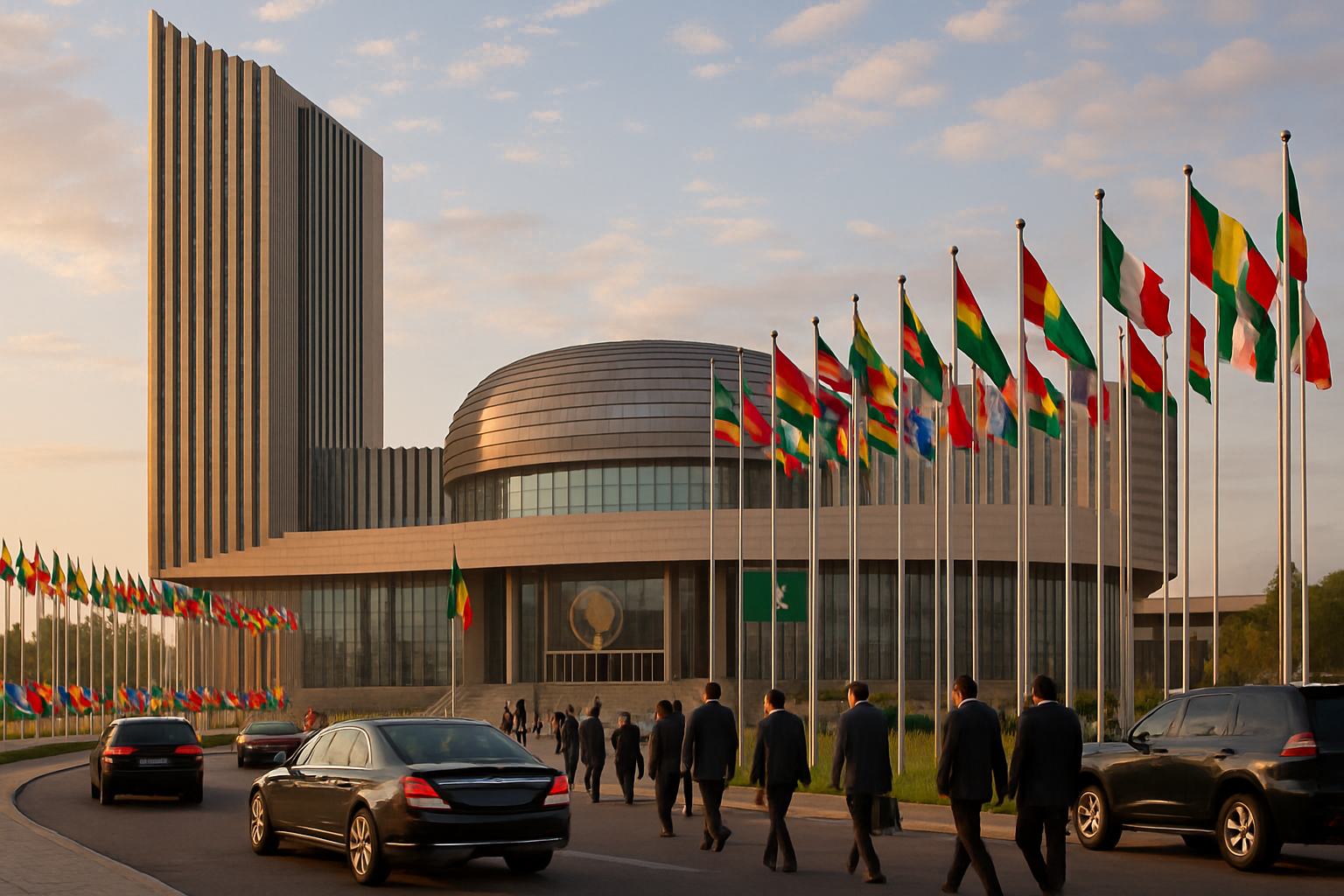
Foreign ministers from across Africa continue to converge on Addis Ababa as Ethiopia puts the final touches on preparations for the historic 39th African Union Summit, with Prime Minister Abiy Ahmed announcing that all logistical arrangements have been completed for the high-level continental gathering.
The 48th Ordinary Session of the Executive Council of the African Union officially commenced on February 11, 2026, bringing together Foreign Ministers from across the continent at a pivotal moment in the Union's annual decision-making calendar. The session, held at the AU headquarters in Addis Ababa, serves as the crucial preparatory meeting ahead of the main summit gathering.
Ethiopia's Comprehensive Hosting Strategy
Prime Minister Abiy Ahmed's announcement that Ethiopia has finalized preparations demonstrates the country's commitment to delivering a successful continental summit. The preparations encompass not only the 39th African Union Summit but also the concurrent 2nd Italy-Africa Summit, showcasing Ethiopia's growing role as a diplomatic hub for Africa-Europe relations.
The extensive logistical preparations reflect the scale and importance of the gathering, with delegations from all 55 AU member states expected to participate in discussions that will shape continental policy for the coming year. Ethiopia's hosting capabilities have been put to the test, requiring coordination of security, accommodation, transportation, and protocol arrangements for hundreds of high-level delegates.
Strategic Ministerial Arrivals
Among the prominent arrivals is Somalia's Foreign Minister Abdisalam Abdi Ali, who arrived in the Ethiopian capital on Tuesday to represent Somalia's interests at the summit. His participation underscores the importance of inclusive African representation in addressing continental challenges, particularly given Somalia's strategic position in the Horn of Africa and its ongoing development priorities.
The steady stream of foreign ministers arriving in Addis Ababa reflects the AU's continued relevance as the primary forum for African diplomatic engagement. These ministerial-level discussions traditionally set the agenda for heads of state and government who will arrive for the main summit proceedings.
Continental Strategy at a Critical Juncture
The 39th AU Summit comes at a particularly significant time for Africa, with the continent facing multiple challenges and opportunities that require coordinated responses. The Executive Council sessions allow foreign ministers to engage in detailed policy discussions before presenting recommendations to their heads of state and government.
This year's summit occurs against the backdrop of ongoing continental integration efforts through the African Continental Free Trade Agreement (AfCFTA), climate adaptation challenges, security concerns in various regions, and economic development priorities. The foreign ministers' preparatory work is essential for ensuring productive discussions when heads of state convene.
Dual Summit Significance
The concurrent hosting of the 2nd Italy-Africa Summit alongside the AU gathering demonstrates Ethiopia's strategic positioning as a bridge between Africa and Europe. This dual summit format allows for enhanced dialogue on Africa-Europe partnerships, investment opportunities, and collaborative approaches to shared challenges including migration, climate change, and economic development.
Italy's engagement with Africa through this summit format represents a significant diplomatic initiative aimed at strengthening bilateral and multilateral ties between European and African nations. The choice of Addis Ababa as the venue reinforces the city's status as the diplomatic capital of Africa.
Regional Integration and Cooperation
The summit preparations come at a time when Africa has demonstrated increasing capacity for regional cooperation and crisis response. Recent examples include SADC's emergency deployment to Mozambique following devastating floods, Rwanda's cross-regional humanitarian assistance, and various infrastructure development initiatives across the continent.
The AU's institutional maturity is evident in its ability to coordinate complex multilateral gatherings while addressing diverse continental challenges. The Executive Council's work exemplifies the organization's evolution from a primarily symbolic body to an active forum for policy development and implementation.
Economic Development and Infrastructure Focus
Continental discussions are expected to address Africa's ongoing infrastructure renaissance, with major projects underway across multiple countries. These include Algeria's Gara Djebilet mining railway project, Angola's Lobito Corridor revival, and Ethiopia's own climate-resilient water infrastructure initiatives.
The summit provides an opportunity for African leaders to coordinate approaches to international partnerships, including recent developments such as the US Critical Minerals Ministerial involving seven African countries and various Gulf-Africa investment initiatives. These economic dimensions are crucial for sustainable development and reduced dependency on external actors.
Security and Stability Challenges
Regional security concerns remain high on the continental agenda, with ongoing conflicts in various regions requiring coordinated African responses. The AU's peace and security architecture continues to evolve, with member states seeking more effective mechanisms for conflict prevention and resolution.
The presence of foreign ministers from across the continent allows for direct diplomatic engagement on security challenges, potentially leading to enhanced cooperation mechanisms and more effective intervention strategies where needed.
Climate Adaptation and Environmental Priorities
With January 2026 recorded as the hottest month in global history, climate adaptation remains a critical priority for African nations. The summit provides a platform for coordinating continental responses to climate challenges, sharing successful adaptation strategies, and developing joint approaches to international climate negotiations.
Africa's vulnerability to climate impacts requires coordinated continental responses, making the AU Summit an essential forum for developing and implementing climate resilience strategies. The foreign ministers' preparatory work ensures that climate considerations are integrated into broader development planning.
Looking Ahead
As foreign ministers complete their preparatory work, attention will turn to the arrival of heads of state and government for the main summit proceedings. The success of Ethiopia's hosting arrangements and the quality of preparatory discussions will significantly influence the summit's outcomes and Africa's trajectory for the coming year.
The 39th AU Summit represents a crucial opportunity for African leaders to demonstrate continental unity, address pressing challenges, and chart a course for sustainable development and regional integration. The comprehensive preparations undertaken by Ethiopia and the active participation of foreign ministers from across the continent set the stage for meaningful diplomatic engagement and policy development.