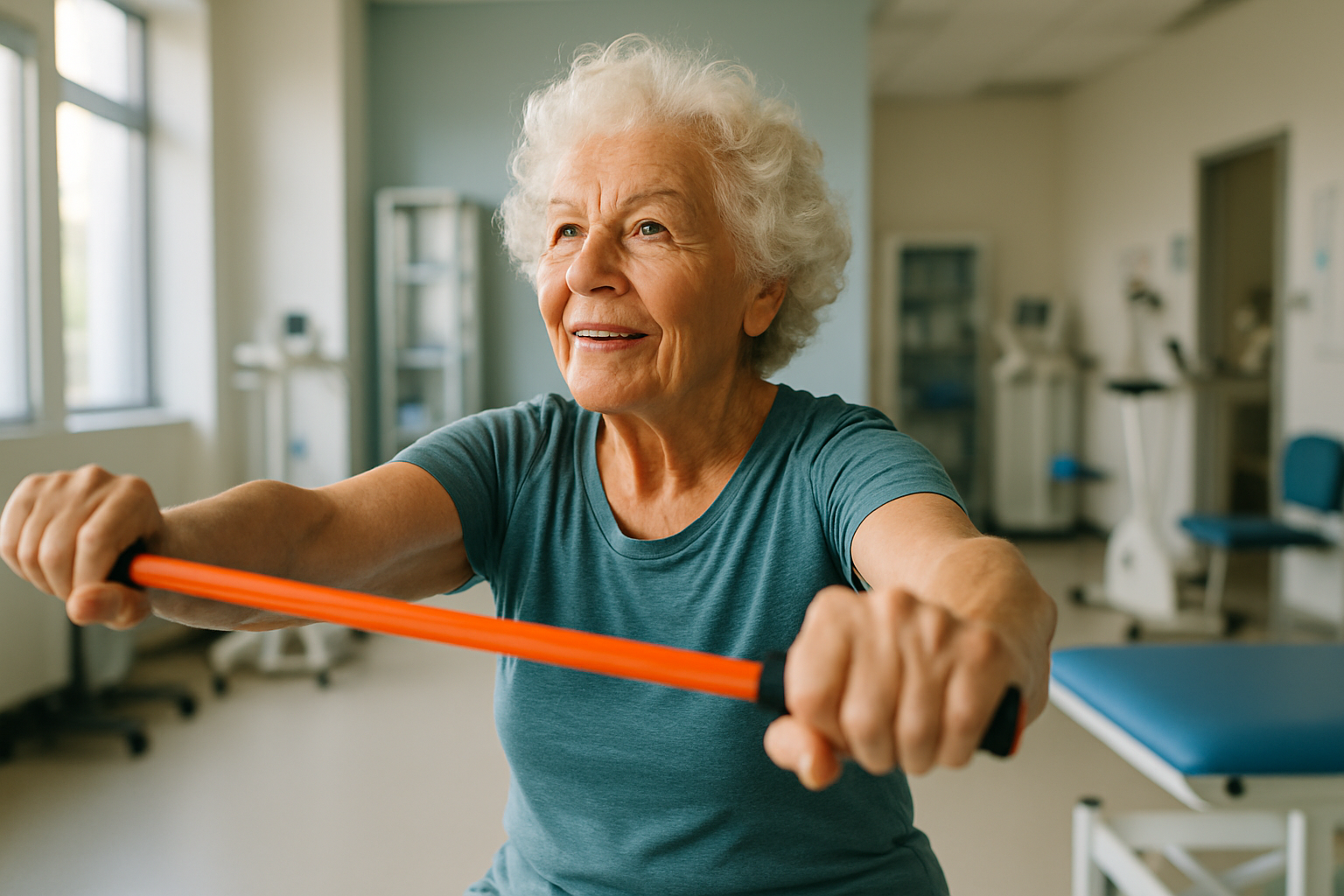
New research from Cyprus is revolutionizing our understanding of aging by demonstrating that physical and mental decline after age 65 is not an inevitable one-way process, with studies showing that memory and mobility can be significantly recovered through targeted interventions.
The groundbreaking study reveals that a substantial percentage of older adults can experience improvements in memory function and physical mobility, fundamentally challenging long-held assumptions about the aging process and opening new pathways for healthy aging strategies.
The Paradigm Shift in Aging Research
According to the latest research published in Cyprus, the traditional view of aging as an inevitable decline is being overturned by compelling evidence that shows recovery is possible even in advanced age. The study indicates that attitudes toward aging play a crucial role in determining outcomes, suggesting that expectations about decline may become self-fulfilling prophecies.
"The research demonstrates that when older adults are provided with appropriate interventions and support, they can experience meaningful improvements in both cognitive function and physical capabilities," explains the research team. "This challenges the fatalistic approach to aging that has dominated medical thinking for decades."
Memory Recovery: Neuroplasticity in Action
One of the most significant findings relates to memory recovery in individuals over 65. The research builds on emerging understanding of neuroplasticity – the brain's ability to form new neural connections throughout life. Key factors that contribute to memory recovery include:
- Targeted cognitive training exercises that challenge different aspects of memory function
- Physical exercise programs that increase blood flow to the brain
- Social engagement activities that stimulate cognitive processing
- Nutritional interventions that support brain health
- Sleep optimization strategies that enhance memory consolidation
The study aligns with broader international research showing that mental activities such as reading, writing, and learning new languages can reduce Alzheimer's risk by up to 40% and delay onset for years, as demonstrated in recent Kuwait-published research involving 1,939 participants aged 80 and above.
Mobility Restoration Through Evidence-Based Interventions
Physical mobility recovery represents another major breakthrough highlighted in the Cyprus research. The study shows that even individuals who have experienced significant mobility decline can regain function through comprehensive intervention programs that address multiple aspects of physical health.
Research from Singapore has identified strength training as the most crucial component for healthy aging, recommending adults engage in muscle-strengthening activities 1-2 times weekly to maintain physical function and independence. This challenges traditional cardiovascular-focused exercise recommendations and suggests resistance training is equally important for preventing age-related muscle loss and maintaining bone density.
"The evidence shows that what we've long accepted as natural aging may actually be preventable decline caused by inactivity, social isolation, and low expectations."
— International Aging Research Consortium
The Role of Attitude and Expectation
Perhaps most remarkably, the Cyprus study emphasizes how attitudes toward aging significantly influence outcomes. This finding connects with the broader "Therapeutic Revolution of 2026," a global shift toward prevention-first healthcare approaches that recognize mental wellness as fundamental community infrastructure.
The research indicates that older adults who maintain positive attitudes about aging and believe in their capacity for improvement are more likely to experience actual cognitive and physical gains. This psychological component appears to be as important as the physical interventions themselves.
Integration with Global Health Trends
The Cyprus findings align with a worldwide transformation in how we approach aging and wellness. Countries implementing prevention-focused strategies are reporting superior cost-effectiveness compared to reactive treatment models, with substantial benefits including decreased crisis interventions, improved community resilience, and enhanced quality of life for aging populations.
This prevention-first approach recognizes that mental and physical wellness are inseparably connected. Successful interventions address multiple factors simultaneously: neurological foundations of behavior, social and cultural influences on health, environmental factors affecting mental wellbeing, and integration of traditional wisdom with modern medical understanding.
Practical Implementation Strategies
The research provides specific guidance for implementing recovery-oriented aging interventions:
- Gradual Implementation: Success requires realistic, measurable goals rather than dramatic overhauls
- Multi-Modal Approach: Combine cognitive training, physical exercise, social engagement, and nutritional support
- Community Support: Social connections and peer support significantly enhance outcomes
- Professional Guidance: Medical supervision ensures interventions are appropriate for individual health status
- Technology Integration: Digital tools can enhance but should not replace human connections
Economic and Social Implications
The economic implications of this research are profound. Prevention-first strategies demonstrate substantial cost reductions through decreased crisis interventions, reduced long-term care needs, and improved productivity among older adults who remain active and engaged in their communities.
Countries that have implemented comprehensive aging support programs report community resilience improvements and reduced social service demands, creating economic multiplier effects that extend to educational achievement, workforce productivity, and social stability.
International Cooperation in Aging Research
The Cyprus research represents part of a broader international cooperation movement in aging and wellness research. Despite funding challenges facing traditional multilateral organizations, bilateral partnerships and peer-to-peer knowledge sharing continue to drive innovation in aging research and intervention strategies.
This distributed cooperation model allows for flexible, culturally responsive approaches while maintaining evidence-based standards, ensuring that aging research benefits diverse populations worldwide.
Looking Forward: A New Model of Aging
The Cyprus research marks a critical juncture in our understanding of aging, suggesting that the choice between decline and vitality is not predetermined by age but influenced by intervention, attitude, and support systems. This represents a fundamental shift from viewing aging as an inevitable decline to seeing it as a phase of life with potential for growth and recovery.
As populations worldwide continue to age, this research provides hope and practical pathways for individuals and societies to reimagine what growing older can mean. The evidence suggests that with proper intervention, community support, and positive attitudes, the years after 65 can be characterized by recovery, growth, and continued vitality rather than inevitable decline.
The implications extend far beyond individual health outcomes to reshape how societies organize care for aging populations, plan for demographic transitions, and invest in the health and wellbeing of older adults. This research demonstrates that aging well is not just a personal goal but a achievable public health objective with far-reaching benefits for entire communities.