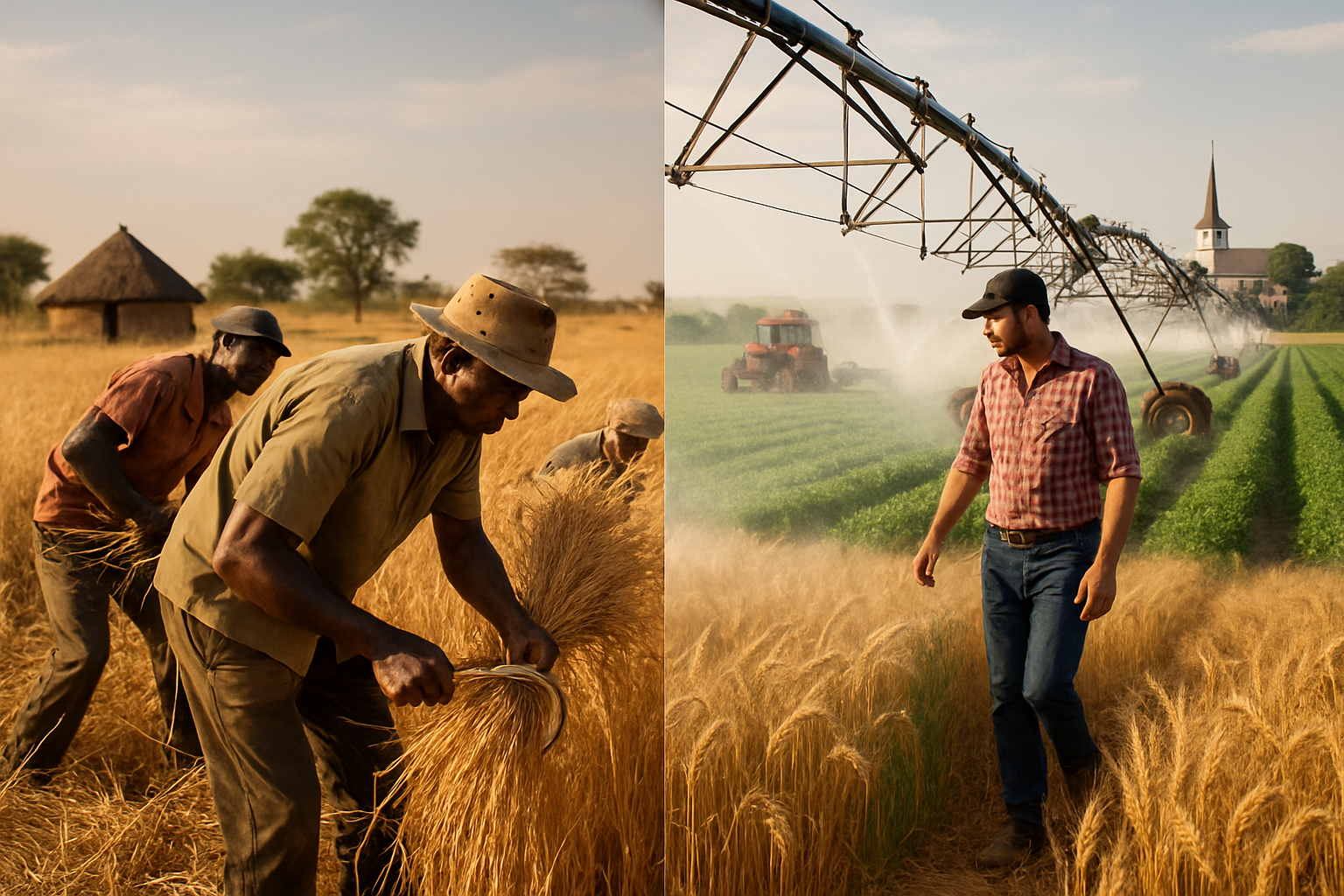
Zimbabwe has stepped forward with critical humanitarian support, donating 370 metric tonnes of maize to neighboring Malawi to help address the country's worsening food crisis, while revelations in Germany expose the complex reality behind agricultural subsidy protests that dominated headlines two years ago.
The Zimbabwean donation represents what officials have described as "true regional solidarity" during a period of mounting food security challenges across southern Africa. The maize shipment arrives as Malawi faces severe food shortages that threaten millions of residents, highlighting the interconnected nature of agricultural challenges throughout the region.
Regional Food Security Crisis Deepens
The food crisis affecting Malawi is part of a broader pattern of agricultural distress across Africa, where extreme weather events and climate volatility have severely impacted crop yields. Recent memory recalls from February 2026 show a continent grappling with multiple simultaneous challenges: from Ghana's cocoa farming crisis to Algeria's flood-damaged agricultural infrastructure.
Zimbabwe's ability to provide substantial food aid demonstrates the country's agricultural recovery following years of economic and political upheaval. The donation comes at a critical time when international food assistance mechanisms are under strain, making regional cooperation increasingly vital for addressing acute hunger.
"This is what true friendship looks like – standing with our neighbors when they need us most."
— Zimbabwean Officials, on the maize donation
Germany's Diesel Subsidy Paradox
Meanwhile, exclusive data from Germany has revealed a striking contradiction in the country's recent agricultural policy debates. Nearly half of German farms never actually applied for the diesel fuel tax rebate that became the center of massive farmer protests two years ago, according to new government figures obtained through investigative reporting.
The revelation challenges the narrative surrounding the widespread protests that saw thousands of farmers take to the streets across Germany in opposition to planned cuts to agricultural diesel subsidies. The protests, which captured international attention and highlighted tensions between environmental policies and farming economics, appear to have been driven by concerns that affected only a portion of the agricultural sector.
This paradox reflects broader challenges facing modern agricultural policy, where subsidies designed to support farmers may not reach all intended beneficiaries due to administrative complexities, eligibility requirements, or simple lack of awareness about available programs.
Agricultural Support Systems Under Scrutiny
The German findings underscore ongoing debates about the effectiveness and targeting of agricultural subsidies across Europe and beyond. As governments worldwide grapple with balancing environmental objectives, fiscal constraints, and farmer support, questions arise about whether current subsidy systems adequately serve their intended purposes.
Agricultural economists note that subsidy uptake rates can vary significantly based on farm size, administrative capacity, and regional differences in agricultural extension services. Smaller farms, often those most in need of support, may face barriers in accessing available programs despite their eligibility.
The disconnect between perceived need and actual utilization of agricultural support programs has implications for policy design across multiple countries currently reviewing their farm support mechanisms amid climate change pressures and food security concerns.
Climate Change and Agricultural Adaptation
Both the Zimbabwe-Malawi cooperation and the German subsidy revelations occur within the context of unprecedented climate pressures on global agriculture. January 2026 marked the 18th consecutive month of global temperatures exceeding 1.5°C above pre-industrial levels, creating extreme weather patterns that disrupt traditional farming cycles.
Agricultural systems worldwide are adapting to these new realities through various mechanisms: regional cooperation agreements like Zimbabwe's aid to Malawi, technological innovations in farming practices, and policy reforms addressing the intersection of climate adaptation and agricultural economics.
The southern African region, where Zimbabwe and Malawi are located, has experienced particularly severe climate impacts, with irregular rainfall patterns and extended drought periods affecting crop production across multiple countries. Regional food sharing arrangements have become increasingly important as individual nations struggle to maintain food security independently.
Lessons in Agricultural Solidarity
Zimbabwe's maize donation represents a model of South-South cooperation that could be replicated in other regions facing similar challenges. The gesture demonstrates how countries emerging from their own agricultural difficulties can contribute to regional stability and food security.
This approach contrasts with traditional North-South aid relationships, where developed countries provide assistance to developing nations. Regional partnerships allow for more immediate response times and often involve countries with shared cultural and agricultural knowledge that can enhance the effectiveness of support programs.
The timing of Zimbabwe's assistance is particularly significant, coming during planting seasons when adequate food supplies can help maintain rural populations and prevent migration that often accompanies food crises. By supporting Malawi now, Zimbabwe is contributing to regional stability that benefits all neighboring countries.
Policy Implications for Global Agriculture
The revelations about German diesel subsidy uptake rates highlight the need for more sophisticated approaches to agricultural policy design and implementation. Effective farm support systems require not only appropriate funding levels but also accessible application processes and targeted outreach to ensure benefits reach intended recipients.
These findings suggest that future agricultural policies should incorporate better monitoring of uptake rates and barriers to access, particularly for smaller farms that may lack the administrative resources to navigate complex subsidy systems. The gap between policy intention and implementation represents a critical area for improvement in agricultural governance.
For countries developing new agricultural support programs, the German experience provides valuable insights about the importance of understanding actual farmer needs versus perceived requirements, and the necessity of designing systems that are genuinely accessible to their target beneficiaries.
Future of Agricultural Cooperation
The contrast between Zimbabwe's proactive regional cooperation and Germany's subsidy implementation challenges illustrates different aspects of modern agricultural governance. While Zimbabwe demonstrates the potential for regional solidarity to address immediate crises, Germany's experience highlights the complexity of designing effective support systems for diverse agricultural sectors.
Looking forward, both regional cooperation mechanisms and national support systems will likely require continued evolution to address mounting climate pressures, changing food security dynamics, and the need for more resilient agricultural systems worldwide.
As international agricultural cooperation continues to develop through initiatives like the African Continental Free Trade Agreement and various bilateral partnerships, the Zimbabwe-Malawi example provides a template for how neighboring countries can support each other during critical periods, while the German experience offers lessons for improving the design and implementation of agricultural support policies globally.