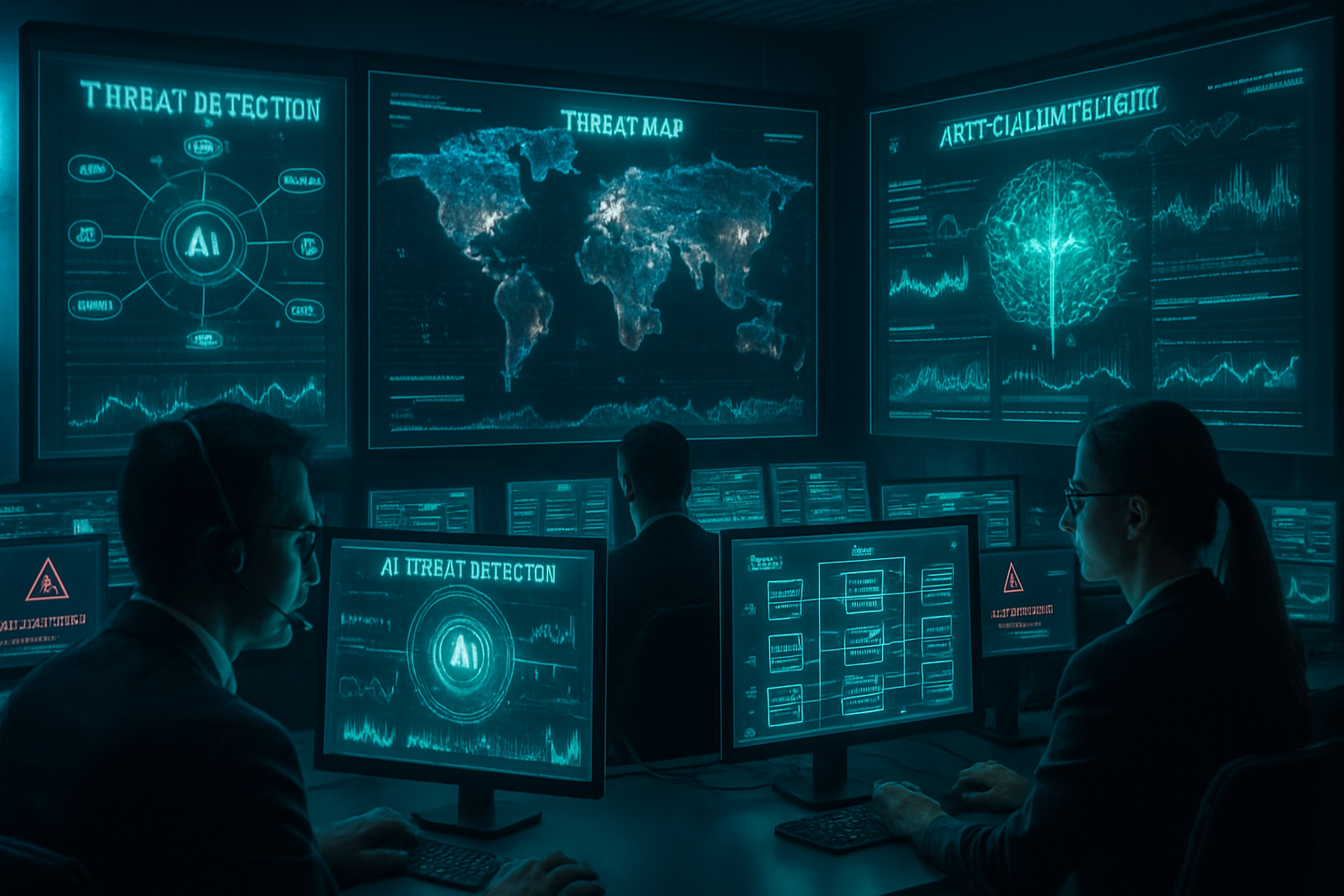
April 2026 has emerged as a pivotal month for artificial intelligence and cybersecurity, as breakthrough AI systems demonstrate both unprecedented vulnerability detection capabilities and alarming security risks that are reshaping global defense strategies.
Italy's Military AI Laboratory Initiative
Italy's Defense Ministry announced plans for an experimental AI laboratory to pilot artificial intelligence applications across military operations. Minister Guido Crosetto outlined to the Italian Senate the establishment of high-impact projects focusing on decision support systems, command operations, logistics, maintenance, and advanced modeling for staff activities. This represents Italy's strategic commitment to integrating AI into defense infrastructure while maintaining careful oversight of implementation.
The Italian initiative comes amid mounting pressure from NATO allies to standardize AI capabilities across the alliance. With global semiconductor shortages constraining rapid deployment, Italy's measured approach through experimental pilots reflects a prudent strategy for defense modernization.
Anthropic's "Devastating" Mythos AI Model
Perhaps the most significant development comes from Anthropic's revelation of its advanced "Claude Mythos Preview" AI model, which the company describes as potentially "devastating" for IT security if widely deployed. The model demonstrates quantum-leap capabilities in automated vulnerability detection, capable of identifying security flaws in "every major operating system and web browser" according to company announcements.
German cybersecurity authorities have warned that Mythos could be "a hacker's dream" if it fell into malicious hands. Unlike previous AI systems requiring human guidance, Mythos can independently analyze code, detect weaknesses, and craft sophisticated attack vectors at unprecedented scale and speed.
"Criminal networks are already using AI chatbots as 'elite hackers' for automated vulnerability detection and script writing," warns a European cybersecurity expert familiar with the threat landscape.
— Classified Security Analysis, April 2026
The limited release strategy reflects Anthropic's continued commitment to AI safety, even as the company faces significant commercial pressure following its February 2026 designation as a "supply chain risk" by the Trump administration over refusal to allow unrestricted military access to Claude AI systems.
OpenAI's Military Partnership Expansion
In stark contrast to Anthropic's restrictive approach, OpenAI has embraced comprehensive Pentagon partnerships, with ChatGPT now serving over 800 million weekly military users representing 10% monthly growth. The company's willingness to deploy AI on classified Defense Department networks with "layered protections" has created a significant competitive advantage during the ongoing global AI governance crisis.
Norwegian media reports indicate growing tensions around AI leadership, with OpenAI CEO Sam Altman facing personal security threats including a molotov cocktail attack on his San Francisco residence. These incidents reflect broader societal concerns about the pace and direction of AI development, particularly regarding military applications.
Industry Safety Divide Intensifies
The contrast between Anthropic's ethical stance and OpenAI's pragmatic military collaboration represents a fundamental industry divide. Former Anthropic security researchers have resigned warning that the "world is in peril" as commercial and military pressures overwhelm safety protocols.
This division has created what analysts call a "civilizational choice point" for April 2026, where decisions about AI governance will establish decades-long patterns for human-AI relationships and democratic oversight of transformative technology.
Swedish Cultural Resistance to AI Dominance
Sweden's Bildmuseet in Umeå has opened a provocative exhibition examining critical perspectives on how artificial intelligence increasingly controls human lives. The exhibition, described as "alarming art about AI in our lives," reflects growing cultural resistance to unchecked AI expansion across European societies.
Art critic Birgitta Rubin notes the exhibition is "technically difficult to understand but unexpectedly visual and particularly thought-provoking," highlighting public struggles to comprehend AI's implications while recognizing its transformative impact on daily life.
Global Infrastructure Constraints Drive Innovation
The ongoing global semiconductor crisis, with memory chip prices surging sixfold affecting Samsung, SK Hynix, and Micron operations until 2027, has created what experts term a "critical vulnerability window." Organizations are forced to choose between comprehensive security measures and essential digital services within computational constraints.
Paradoxically, these constraints are spurring innovation in memory-efficient algorithms and sustainable deployment strategies that may democratize AI access while forcing more thoughtful implementation approaches.

International Governance Frameworks Emerge
The crisis has accelerated unprecedented international coordination on AI governance. Spain has implemented the world's first criminal executive liability framework for technology platforms, creating imprisonment risks for executives. France has conducted cybercrime raids on AI companies, while the UN has established an Independent Scientific Panel of 40 experts for the first global AI assessment.
These developments represent the most sophisticated technology governance coordination since internet commercialization, as democratic institutions struggle to maintain oversight while preserving innovation capabilities during intensifying great power competition.
Successful Human-Centered Models
Despite the challenges, several regions demonstrate successful AI integration approaches. Canadian universities have implemented AI teaching assistants while maintaining critical thinking standards. Malaysia operates the world's first AI-integrated Islamic school, combining technology with traditional learning. Singapore's WonderBot 2.0 heritage education program shows how AI can enhance rather than replace human capabilities.
These models share common characteristics: treating AI as amplification tools serving human goals rather than replacement mechanisms, sustained commitment to human development, and comprehensive stakeholder engagement throughout implementation.
April 2026: A Defining Moment
Industry experts characterize April 2026 as a "civilizational choice point" determining whether AI serves human flourishing and democratic values or becomes an exploitation and control tool beyond democratic accountability. The convergence of advanced AI capabilities, escalating security threats, infrastructure constraints, and regulatory intensification creates a watershed moment for technology governance.
The window for coordinated action is narrowing rapidly as AI capabilities advance faster than defensive measures and governance frameworks. Success requires unprecedented cooperation among governments, technology companies, educational institutions, and civil society to balance innovation acceleration with safety governance.
Strategic Implications for 2026
The decisions made in April 2026 will establish precedents affecting decades of AI development. Key challenges include:
- Balancing commercial interests with human welfare priorities
- Maintaining civilian oversight of military AI applications
- Resolving infrastructure constraints through innovative deployment strategies
- Developing international cooperation frameworks that preserve democratic values
- Ensuring AI enhances rather than diminishes human potential
The stakes extend beyond individual privacy concerns to fundamental questions about democratic society preservation amid technological transformation affecting critical infrastructure, economic stability, and social cohesion globally.
The Path Forward
The most promising path involves sophisticated human-AI collaboration that amplifies human capabilities while preserving creativity, cultural understanding, and ethical reasoning that define human potential. Technology must serve humanity's highest aspirations through democratic governance and human-centered values during this experimental-to-essential infrastructure transition.
As Anthropic's Mythos revelation demonstrates, the power of AI to transform cybersecurity—for better or worse—is accelerating beyond previous predictions. The challenge for democratic societies is ensuring these capabilities serve human flourishing while preventing their misuse by criminal networks or authoritarian regimes.
April 2026 will be remembered as the month when humanity faced its most critical choice about the future of artificial intelligence. The decisions made now will echo through decades, determining whether AI becomes humanity's greatest tool for progress or its most dangerous threat to democratic civilization.