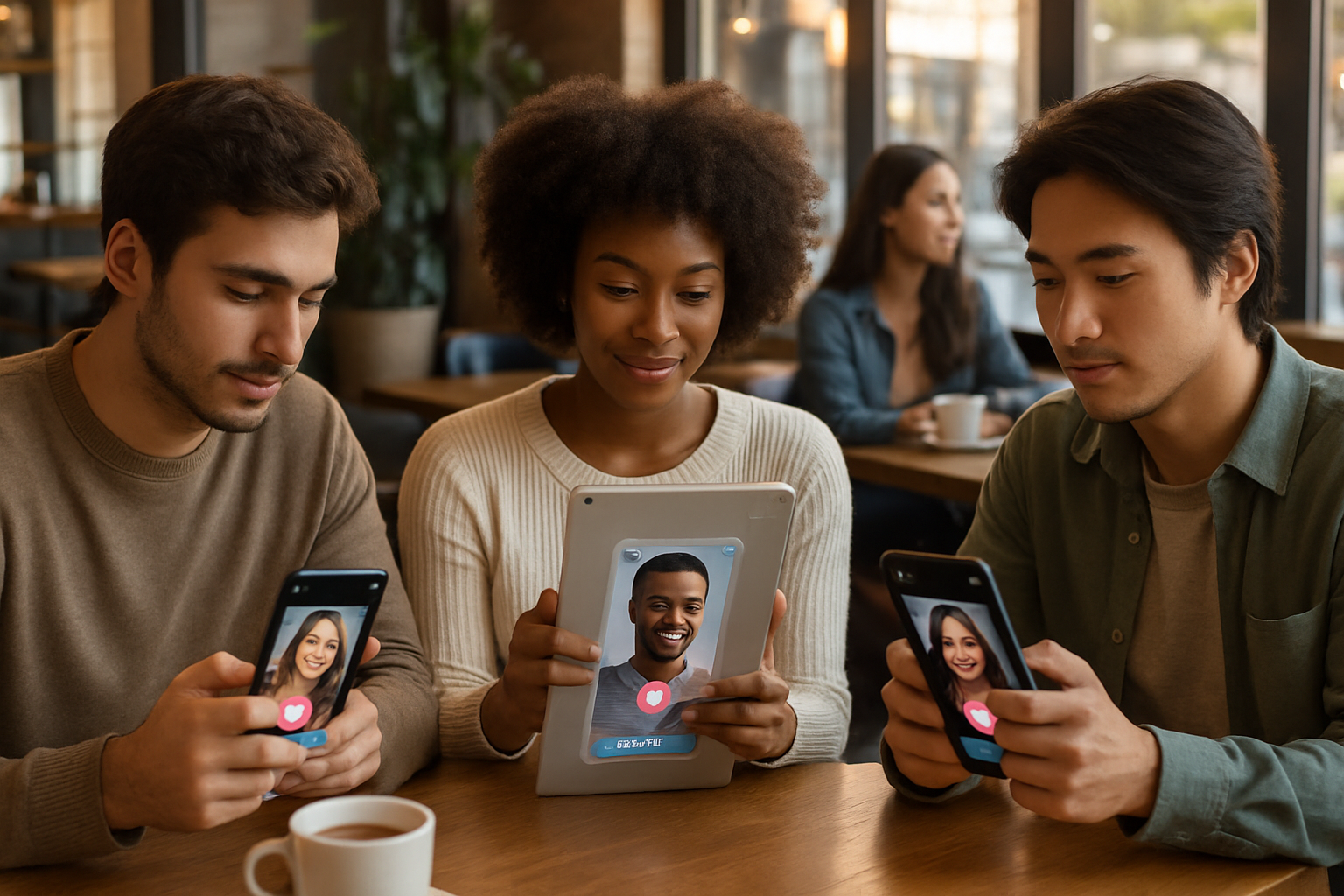
Artificial intelligence is fundamentally transforming the landscape of modern romance, with sophisticated algorithms now crafting personalized messages, optimizing profile presentations, and revolutionizing matchmaking services as dating apps embrace AI technology to help users navigate an increasingly complex digital love market.
The integration of AI into dating platforms represents one of the most significant shifts in how people form romantic connections since the advent of online dating itself. From automated conversation starters to complex compatibility algorithms, artificial intelligence is becoming the invisible cupid behind millions of potential relationships worldwide.
The Rise of AI-Powered Matchmaking
Dating platforms are increasingly moving beyond simple location-based matching to employ sophisticated machine learning algorithms that analyze user behavior, communication patterns, and psychological compatibility markers. These systems can process thousands of data points to identify potential matches with unprecedented accuracy, fundamentally changing how people discover romantic partners.
The technology extends far beyond basic profile matching. AI systems now analyze conversation styles, response patterns, and engagement levels to optimize the timing and content of interactions. Some platforms have introduced AI assistants that help users craft more engaging opening messages, while others use predictive algorithms to suggest optimal times for initiating conversations.
Digital-First Romance and Changing Behaviors
The transformation coincides with broader changes in how younger generations approach relationships. Recent investigations reveal that many people are increasingly choosing "digital-first" approaches to romance, with substantial portions of intimate interactions moving to online platforms.
"We're witnessing a fundamental shift in how relationships form and develop. AI is not replacing human connection, but it's becoming a sophisticated tool that helps people navigate the complexities of modern dating," explains Dr. Rebecca Thomson, a relationship technology researcher.
— Dr. Rebecca Thomson, Digital Relationship Studies Institute
This digital transformation has created new challenges and opportunities. While AI can help overcome initial social barriers and improve match compatibility, experts warn about the potential for over-dependence on algorithmic recommendations and the risk of losing authentic human spontaneity in romantic connections.
The Psychology of AI-Assisted Romance
Mental health professionals are documenting significant changes in dating behavior, particularly among younger adults who are increasingly cautious about intimate relationships and often prioritize personal development over traditional social activities. This trend, identified by Czech sexologist Dr. Zlatko Pastor and other researchers, reflects a broader "therapeutic revolution" emphasizing wellness over conventional romantic pursuits.
The integration of AI into dating platforms may be both responding to and reinforcing these behavioral changes. AI-powered features can help users who struggle with social anxiety or lack confidence in traditional dating scenarios, providing scaffolding for meaningful connections.
Global Regulatory and Safety Concerns
As AI becomes more sophisticated in the dating sphere, regulatory concerns are mounting. The European Union's recent intensification of AI governance, including Spain's groundbreaking criminal executive liability framework, reflects growing recognition that AI systems in personal relationships require careful oversight.
Privacy advocates worry about the vast amounts of personal data being collected and analyzed by AI dating systems. These platforms often have access to highly sensitive information about users' preferences, behaviors, and psychological profiles, raising questions about data security and potential misuse.
Cultural Shifts and Alternative Approaches
Interestingly, some regions are pushing back against the algorithmic approach to romance. Singapore's Tourism Board recently launched an innovative "Aunties, Not Algorithms" campaign, promoting traditional Asian matchmaking through celebrity "aunties" as an alternative to AI-driven dating apps, suggesting consumer fatigue with purely technological approaches to love.
This cultural resistance highlights a broader tension between efficiency-focused AI systems and the deeply human need for authentic, emotionally meaningful connections that cannot be easily quantified or optimized by algorithms.
The Economics of AI Romance
The AI dating industry has become a significant economic force, with platforms investing heavily in machine learning capabilities and personalization features. This investment is driven by user demand for more sophisticated matching and communication tools, but it also raises questions about the commercialization of human intimacy.
Premium features increasingly include AI-powered profile optimization, automated conversation management, and advanced compatibility analysis. While these tools can be helpful, they also create a two-tiered system where users with greater financial resources have access to more sophisticated AI assistance in their romantic lives.
Future Implications and Ethical Considerations
As AI becomes more sophisticated, future developments may include even more advanced emotional intelligence capabilities, real-time relationship coaching, and predictive analytics about relationship success. However, these advances raise profound ethical questions about the role of artificial intelligence in one of the most fundamentally human experiences.
Experts emphasize the importance of maintaining human agency and authenticity in AI-assisted dating. The goal should be using technology to enhance genuine human connection rather than replace it with algorithmic simulation.
Looking Ahead: The Balance Between Innovation and Authenticity
The transformation of dating and relationships through AI reflects broader technological changes affecting all aspects of human interaction. As these systems become more sophisticated, the challenge will be maintaining the authenticity and spontaneity that make romantic connections meaningful while leveraging technology's ability to help people find compatible partners.
Success in this domain will likely require thoughtful integration that enhances rather than replaces human judgment and emotional intelligence. The future of AI in dating may depend on platforms' ability to serve as facilitators of genuine human connection rather than replacements for the complex, unpredictable, and ultimately human experience of falling in love.
The AI revolution in dating and relationships represents both tremendous opportunity and significant risk. As we navigate this new landscape, the challenge will be harnessing artificial intelligence's power to help people find meaningful connections while preserving the authenticity, vulnerability, and human agency that make love ultimately irreplaceable.