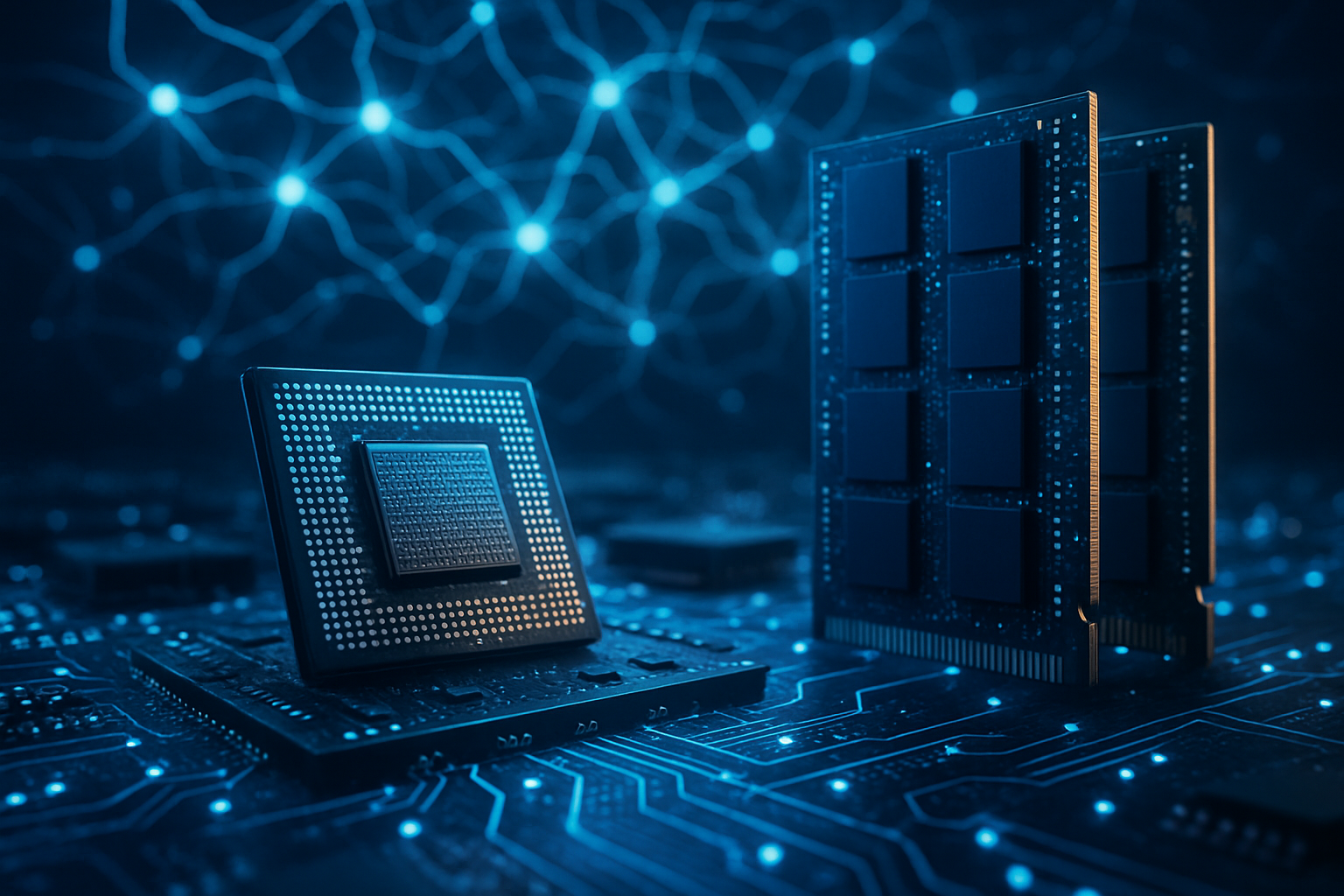
The rapid expansion of generative artificial intelligence development has triggered a dramatic sixfold increase in computer memory prices, threatening to significantly raise costs for everyday consumer electronics including smartphones, computers, and gaming consoles.
According to reports from Japan, the surge in memory pricing represents one of the most dramatic increases in semiconductor component costs in recent years, driven primarily by the insatiable demand from AI companies developing large language models and other computationally intensive applications.
The AI Memory Bottleneck
The unprecedented price surge stems from a fundamental supply-demand imbalance in the memory market. Generative AI systems, particularly large language models like those powering ChatGPT and similar platforms, require enormous amounts of high-performance memory to function effectively. These AI applications demand not just large quantities of memory, but also the fastest and most advanced types of RAM and storage solutions.
Memory manufacturers, despite running at full capacity, have been unable to keep pace with the explosive growth in demand from the AI sector. Companies like NVIDIA, Microsoft, Google, and OpenAI have been competing aggressively to secure memory supplies for their data centers and AI training facilities, driving prices to unprecedented levels.
Consumer Impact Looming
The sixfold price increase in memory components is expected to have cascading effects across the entire consumer electronics industry. Smartphone manufacturers, who rely heavily on both volatile memory (RAM) and storage memory (flash storage), face significant pressure on their production costs.
Computer manufacturers are similarly affected, as both desktop and laptop systems require substantial amounts of memory to operate modern software effectively. Gaming console manufacturers, who are particularly sensitive to component costs due to their competitive pricing strategies, may be forced to delay launches or increase retail prices.
Industry analysts warn that consumers could see price increases of 20-30% on new electronic devices over the next 12-18 months as manufacturers pass along the increased component costs.
Supply Chain Strain
The memory shortage represents a broader challenge in the semiconductor supply chain, which has been under intense pressure since the COVID-19 pandemic. Unlike previous shortages that were primarily driven by production disruptions, the current memory crisis stems from genuine demand that far exceeds manufacturing capacity.
Major memory manufacturers including Samsung, SK Hynix, and Micron Technology have announced plans to expand production capacity, but new fabrication facilities typically take 18-24 months to become operational. This timeline suggests that the memory shortage and high prices could persist well into 2027.
Market Response and Adaptation
Some technology companies are already adapting their strategies in response to the memory crisis. Several smartphone manufacturers have begun developing more efficient memory management systems and optimizing their software to require less RAM. Others are exploring alternative memory technologies that might be less affected by the current shortage.
The AI industry itself is also responding to the crisis by developing more memory-efficient algorithms and exploring distributed computing approaches that can reduce the memory requirements for individual systems.
Long-term Industry Implications
The current memory crisis highlights the growing tension between the AI industry's exponential growth and the physical limitations of semiconductor manufacturing. As AI applications become more sophisticated and widespread, their memory requirements are expected to continue growing at rates that may be difficult for traditional manufacturing to match.
This situation could accelerate development of new memory technologies, including next-generation storage solutions and processing-in-memory architectures that could help alleviate the supply-demand imbalance. However, these technologies are still in development stages and unlikely to provide immediate relief.
The memory price surge also underscores the importance of supply chain diversification and investment in domestic semiconductor manufacturing capabilities, as countries and companies seek to reduce dependence on concentrated production centers.
Looking Ahead
While the current memory crisis presents significant challenges for both consumers and manufacturers, it may also drive innovation in memory efficiency and alternative computing architectures. The pressure to develop more efficient AI systems could ultimately lead to breakthrough technologies that deliver better performance while requiring fewer resources.
For consumers, the immediate outlook suggests higher prices for electronic devices in the near term, but the competitive pressure may also accelerate the development of more durable and efficient products that provide better long-term value.
The situation continues to evolve rapidly as both AI companies and memory manufacturers work to address the supply-demand imbalance that has created this unprecedented pricing environment.