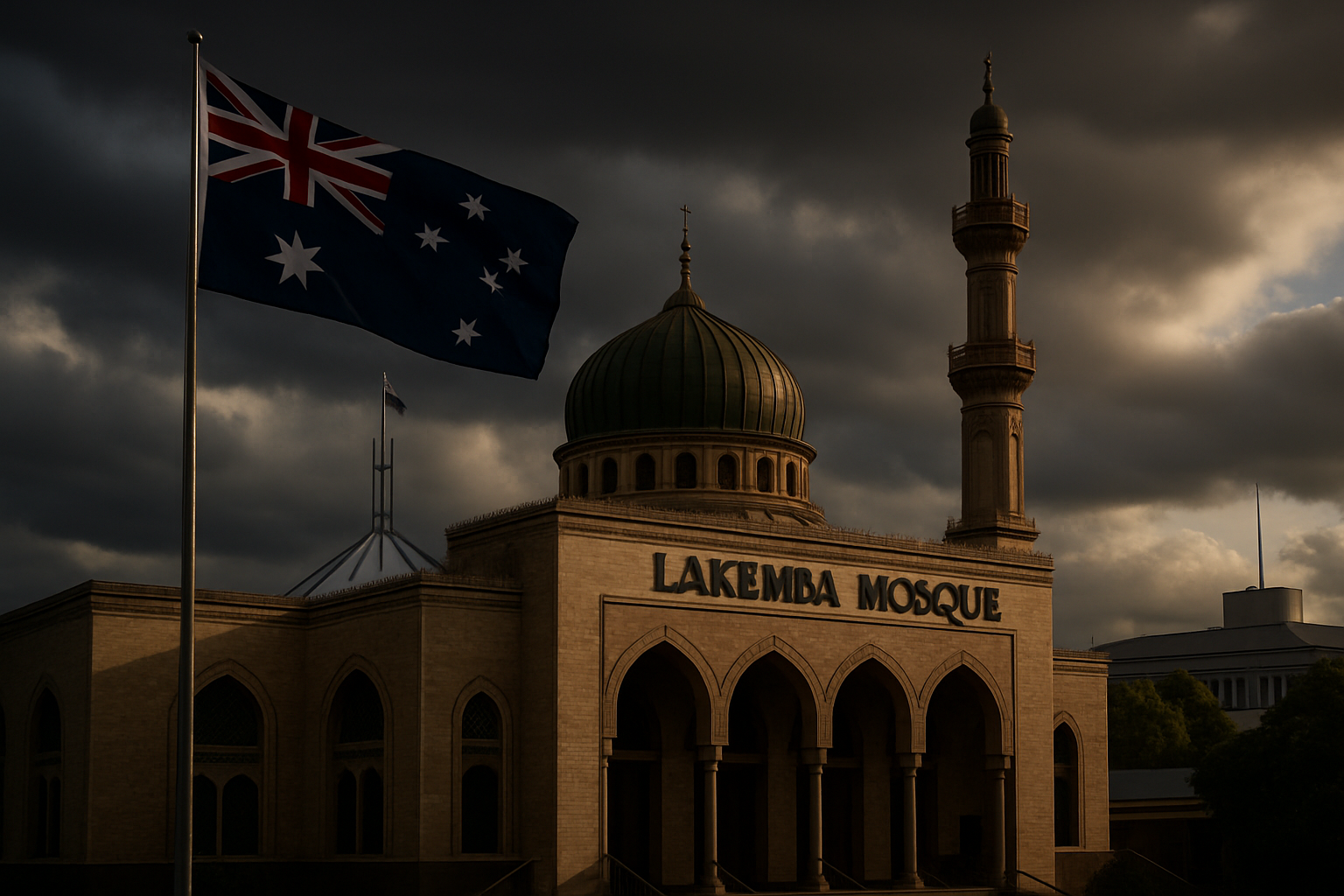
Prime Minister Anthony Albanese faced a hostile reception from protesters during a visit to Lakemba Mosque in south-west Sydney on Friday, March 20, 2026, as tensions between the Australian government and Muslim community reached a boiling point ahead of Eid al-Fitr celebrations.
Albanese and Home Affairs Minister Tony Burke, whose electorate encompasses Lakemba, were attending prayers to mark the end of Ramadan when protesters disrupted the ceremony. The pair were sitting during a speech to the congregation when demonstrators moved forward and began booing, shouting "shame," "disgrace," "genocide supporters," and "get them out of here."
Unprecedented Political Confrontation
The incident represents one of the most direct challenges to a sitting Australian Prime Minister within a religious setting, underscoring the deteriorating relationship between the federal government and segments of the Muslim community. The confrontation occurred during what should have been a ceremonial visit to celebrate the conclusion of Islam's holiest month.
According to eyewitness accounts, the atmosphere in the mosque became increasingly tense as protesters voiced their anger over government policies. The demonstration forced security officials to intervene, with at least one protester reportedly removed from the premises during the commotion.
Burke, who has represented the electorate of Watson since 2004 and maintains strong ties with the local Muslim community, appeared visibly uncomfortable as the protests unfolded. The Home Affairs Minister has previously been seen as a bridge between the government and Muslim communities, making the hostile reception particularly significant.
Historical Context and Growing Tensions
The heckling incident occurs against a backdrop of escalating tensions within Australia's political and social fabric. Recent months have witnessed a series of concerning developments that have strained community relations and tested the government's response to both domestic security threats and international conflicts.
The Muslim community's frustration has been building throughout 2026, particularly in response to what many perceive as insufficient government action on international issues affecting Muslim-majority nations. The timing of the protest, during the sacred period leading to Eid al-Fitr, amplifies the significance of the community's discontent.
"This incident reflects deeper issues within our community relations that cannot be ignored."
— Community Leader (speaking anonymously)
Security Implications and Government Response
The confrontation at Lakemba Mosque comes during a period of heightened security concerns across Australia. Recent incidents have demonstrated the challenges facing law enforcement in managing community tensions while maintaining public safety and democratic freedoms.
Earlier incidents in 2026 have included serious security breaches and community unrest, prompting the establishment of enhanced police protocols and specialized response units. The NSW Police's Operation Shelter, an anti-hate crime unit developed following community tensions, has been made permanent as authorities grapple with rising incidents targeting various religious and ethnic groups.
The government's response to the mosque incident has been measured, with officials emphasizing the importance of peaceful dialogue while acknowledging the community's right to express dissent. However, the breach of traditional diplomatic courtesy during a religious observance has raised questions about the effectiveness of current community engagement strategies.
International Context and Local Impact
The protests at Lakemba Mosque cannot be separated from broader international developments that have deeply affected Muslim communities worldwide. The ongoing conflicts in Gaza and other regions have created ripple effects within Australia's diverse Muslim population, leading to increased political activism and community organization.
Throughout 2026, various international incidents have contributed to community tensions. The systematic violations of ceasefires, territorial disputes, and humanitarian crises in Muslim-majority regions have galvanized local communities to demand stronger government positions and actions from their representatives.
The Australian government has found itself navigating complex international relationships while managing domestic community expectations. The challenge has been particularly acute during Ramadan 2026, which was marked by unprecedented international coordination among Muslim nations and heightened awareness of global Muslim solidarity.
Political Ramifications
The incident at Lakemba Mosque represents a significant political challenge for the Albanese government, which has sought to maintain strong relationships with Australia's diverse communities while managing competing international pressures and security concerns.
For Burke, whose electorate includes substantial Muslim populations, the hostile reception poses particular political risks. The Home Affairs Minister has previously been viewed as an effective liaison with Muslim community leaders, making the breakdown in relations especially concerning for government strategists.
The timing of the confrontation, just before Eid celebrations, has amplified its symbolic impact. Eid al-Fitr represents the culmination of Ramadan's spiritual journey and is traditionally a time of community celebration and renewal. The disruption of this sacred period by political protests highlights the depth of community grievances.
Community Relations and Moving Forward
The scenes at Lakemba Mosque have prompted calls for renewed dialogue and engagement between the government and Muslim community leaders. Religious and community organizations have emphasized the need for respectful discourse while acknowledging the legitimate concerns driving community frustration.
Islamic community leaders have stressed that while protest is a democratic right, the sanctity of religious spaces should be respected by all parties. The incident has sparked discussions about appropriate venues for political expression and the boundaries between religious observance and political activism.
The government faces the challenge of addressing community concerns while maintaining its foreign policy positions and security priorities. Officials have indicated their willingness to engage in further dialogue, though the path forward remains uncertain given the intensity of community feelings.
Broader Implications for Australian Democracy
The confrontation at Lakemba Mosque reflects broader challenges facing democratic societies in managing diverse populations with varying perspectives on international conflicts and government policies. The incident has raised important questions about the balance between free expression, religious respect, and political accountability.
Australia's multicultural society has generally been celebrated as a model of successful integration and mutual respect. However, recent events have highlighted the ongoing tensions that exist beneath the surface and the need for continued efforts to maintain social cohesion.
The government's response to this incident will likely influence future community relations and set precedents for how political leaders engage with religious communities during times of international tension. The challenge lies in maintaining open democratic discourse while respecting the sacred nature of religious spaces and observances.
As Australia continues to navigate its role in an increasingly complex international landscape, incidents like the one at Lakemba Mosque serve as reminders of the domestic implications of foreign policy decisions and the importance of maintaining strong, respectful relationships with all community groups.