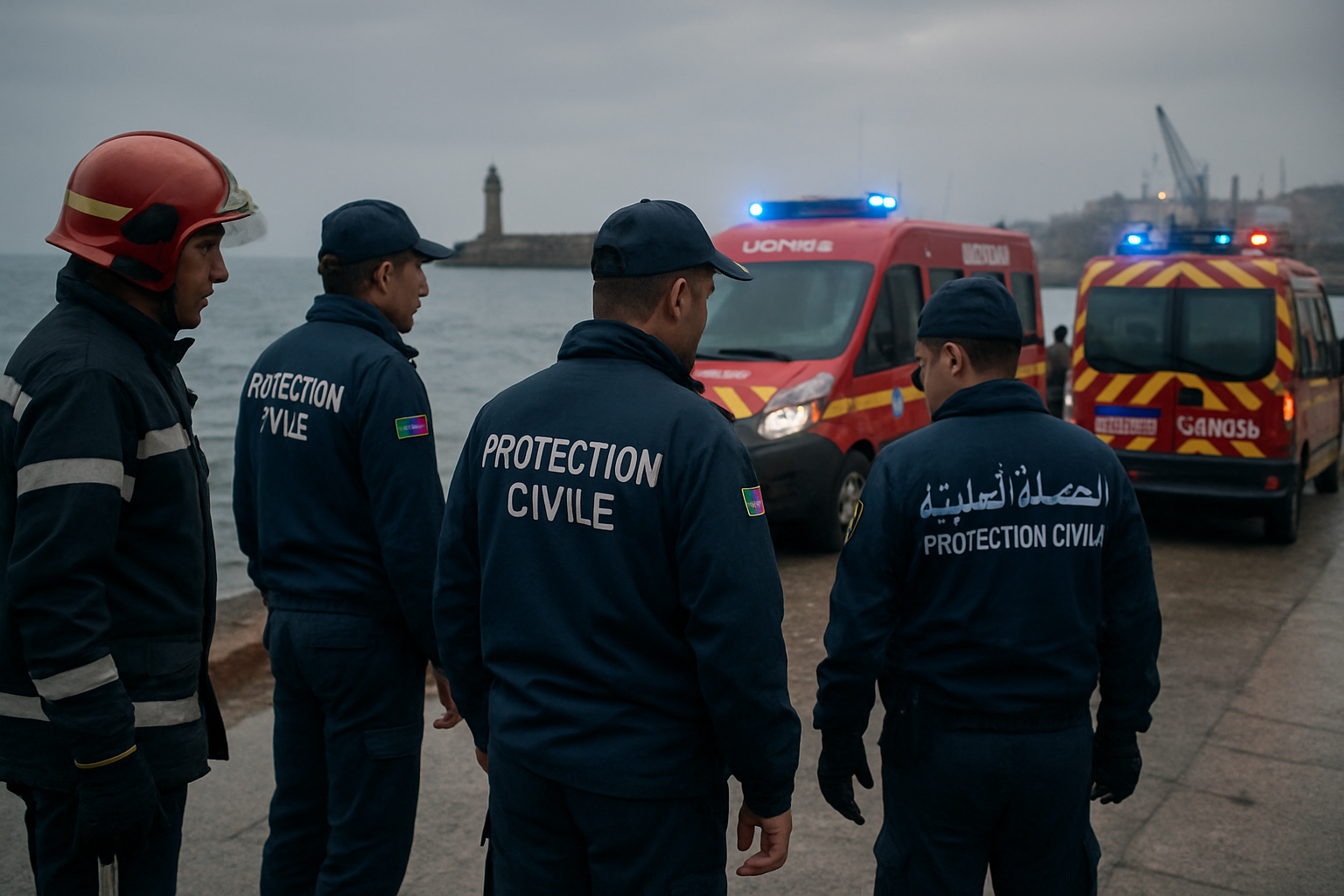
Algeria's civil protection services responded to two separate drowning incidents on April 8, 2026, highlighting ongoing public safety challenges as the country grapples with water-related fatalities that have become a recurring concern for authorities nationwide.
Tlemcen Province Maritime Incident
Civil protection services in Tlemcen province responded to a tragic discovery at Marsa Ben M'hidi port, where the body of a 70-year-old man was found floating in the harbor waters. The intervention, coordinated between the civil protection center of Marsa Ben M'hidi, the Boukanou unit, and the coast guard, was launched after the victim was spotted in the port's waters during evening operations.
According to official sources, the deceased was approximately 70 years of age and was found floating on the water's surface within the port area. Emergency response teams immediately recovered the body, which was subsequently transferred to the morgue at Maghnia Hospital for further examination.
The circumstances surrounding the incident remain under investigation by competent authorities, with no immediate determination made regarding whether the death was accidental, intentional, or the result of other factors. The response highlighted the coordinated nature of Algeria's emergency services, involving multiple agencies in the recovery operation.
Annaba Province Water Tragedy
In a separate incident that occurred earlier the same day, civil protection services in Annaba province recovered the body of a 16-year-old from a water reservoir in the municipality of El Ulma, within the Ain El Barada administrative district.
The emergency response was initiated at 17:27 local time after authorities received reports of the incident at a location known as Wadi Al-Hout (Valley of the Whale). The teenage victim was immediately transported to the local hospital morgue following recovery efforts by civil protection teams.
The tragedy involving such a young victim has particularly resonated with local communities, as water-related accidents involving minors continue to be a significant concern for Algerian authorities and families alike.
National Context and Safety Concerns
These incidents occur within a broader pattern of water-related fatalities that have affected Algeria throughout 2026. According to civil protection statistics, drowning incidents have represented a consistent challenge for emergency services, particularly during warmer months when recreational water activities increase.
The geographical diversity of these latest incidents—spanning from the Mediterranean coastal areas of Tlemcen to the inland water bodies of Annaba—underscores the nationwide scope of water safety challenges facing Algerian communities. Both urban port environments and rural water reservoirs present distinct risks that require tailored prevention strategies.
"These tragic incidents remind us of the constant vigilance required to protect our citizens, particularly in areas where water safety infrastructure may need enhancement."
— Civil Protection Official, speaking on condition of anonymity
Emergency Response Coordination
The rapid response demonstrated by Algeria's civil protection services in both incidents reflects ongoing efforts to strengthen emergency coordination capabilities. The multi-agency approach involving civil protection units, coast guard services, and healthcare facilities showcases the integrated nature of the country's emergency response framework.
However, the frequency of such incidents has prompted calls from safety advocates for enhanced preventive measures, including improved signage around water bodies, increased public awareness campaigns, and better emergency response infrastructure in remote areas.
Investigative Procedures and Next Steps
Both cases have been referred to the appropriate judicial authorities for comprehensive investigation. Standard procedures in such cases involve detailed examination of circumstances, witness interviews where applicable, and forensic analysis to determine the precise causes and timeline of events.
The investigations will likely examine factors such as water safety conditions at both locations, potential contributing circumstances, and whether any institutional improvements could prevent similar tragedies in the future.
Broader Safety Implications
Algeria's experience with water-related fatalities reflects challenges faced by many North African nations in balancing public access to water resources with safety considerations. The incidents underscore the need for continued investment in water safety infrastructure and public education programs.
Civil protection authorities continue to emphasize the importance of water safety awareness, particularly for families with children and elderly individuals who may be more vulnerable in aquatic environments. The incidents also highlight the critical role of rapid emergency response in water-related emergencies, even when prevention efforts fall short.
As investigations continue into both tragedies, Algerian authorities are likely to review existing water safety protocols and consider additional measures to protect vulnerable populations from similar incidents in the future. The coordinated response efforts demonstrated professional competency, but the recurring nature of such incidents suggests that preventive approaches may require enhancement to address underlying risk factors effectively.