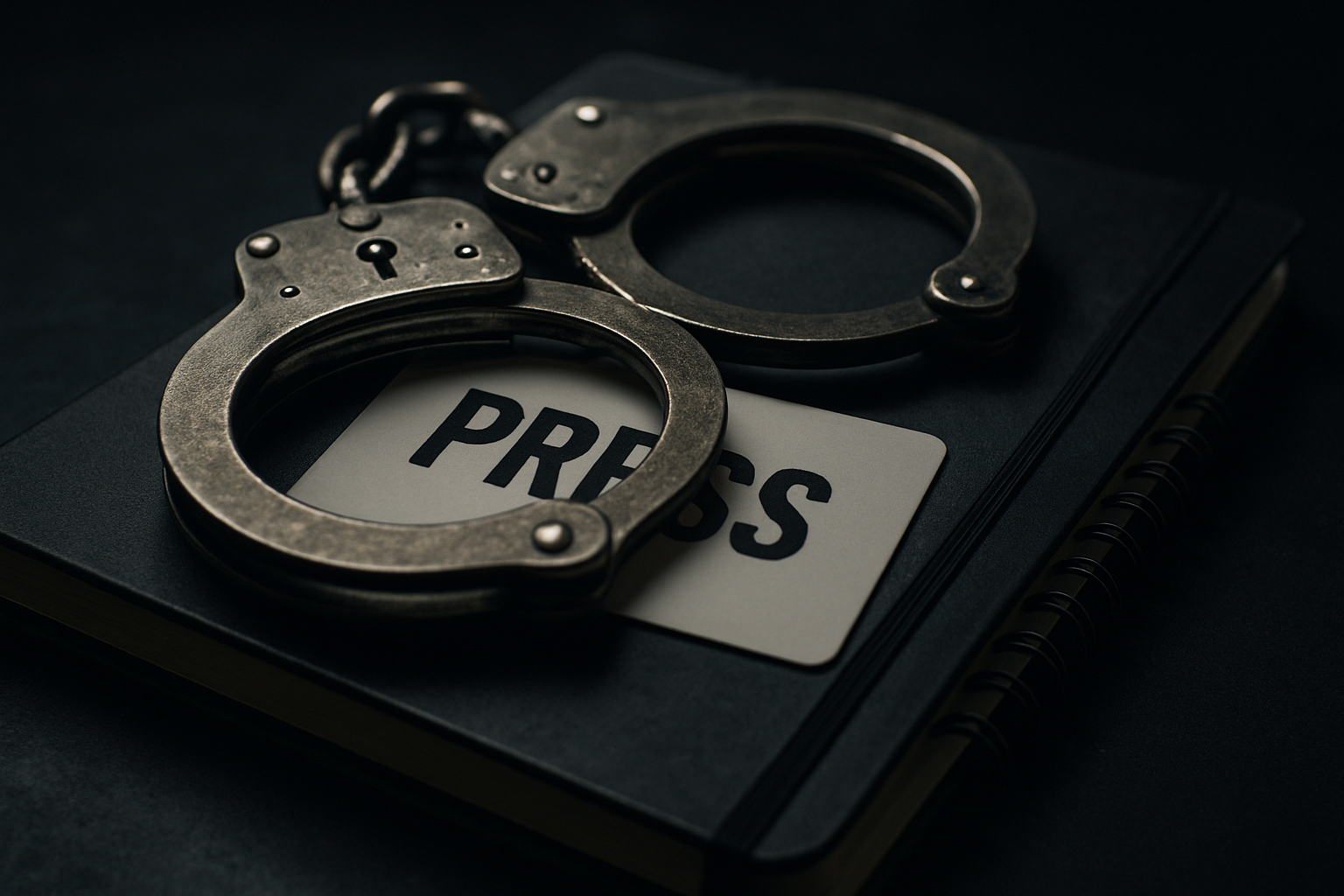
Algerian authorities have arrested multiple journalists including freelance reporter Abdelali Mezghiche and Omar Ferhat, director of independent news website Algerie Scoop, in what international rights organizations are condemning as an escalating crackdown on press freedom in the North African nation.
The Committee to Protect Journalists (CPJ) issued urgent statements demanding the immediate and unconditional release of both journalists, characterizing the arrests as part of a broader pattern of media suppression targeting independent voices in Algeria.
Latest Arrests Signal Intensifying Pressure
Omar Ferhat's arrest has drawn particular international attention, with the New York-based CPJ stating that Algerian authorities "must immediately and unconditionally release journalist Omar Ferhat, director of the local independent news website Algerie Scoop, and drop all charges against him."
The organization emphasized that the arrests represent a concerning escalation in the government's efforts to silence independent media outlets that provide alternative perspectives on national affairs.
Freelance journalist Abdelali Mezghiche was also detained by authorities, though specific details about the charges or circumstances of his arrest remain limited. The targeting of both independent website operators and freelance journalists suggests a comprehensive approach to controlling media narratives.
International Rights Organizations Respond
The CPJ's intervention highlights the international concern over Algeria's deteriorating press freedom environment. The organization, which monitors journalist safety globally, rarely issues such direct demands for government action unless the situation represents a significant threat to media independence.
"Algerian authorities must immediately and unconditionally release journalist Omar Ferhat and drop all charges against him."
— Committee to Protect Journalists
The arrests come as Algeria faces increasing scrutiny from international human rights organizations over its treatment of journalists, civil society activists, and political opposition figures. Press freedom advocates have documented a systematic campaign to restrict independent media through various legal and administrative mechanisms.
Broader Pattern of Media Suppression
These latest arrests occur within the context of a global decline in press freedom, with media organizations worldwide facing increased pressure from authoritarian governments seeking to control information flows. The targeting of independent digital platforms like Algerie Scoop reflects contemporary challenges facing journalism in the digital age.
Independent news websites have become particular targets for government pressure due to their ability to reach audiences directly without traditional gatekeeping mechanisms. The arrest of Omar Ferhat, who operates such a platform, sends a clear message about the government's intolerance for alternative media voices.
Freelance journalists like Abdelali Mezghiche often face additional vulnerabilities due to their independence from major media organizations that might provide institutional protection. This makes them particularly susceptible to government pressure and legal harassment.
Regional and Global Context
Algeria's crackdown on journalists occurs amid broader regional tensions over media freedom across North Africa and the Middle East. Recent months have seen similar patterns of journalist arrests and media restrictions in several countries, suggesting a coordinated effort to limit independent reporting on sensitive political and social issues.
The international response to these arrests will likely influence how other governments in the region approach press freedom issues. Strong condemnation and concrete consequences for journalist arrests can serve as deterrents, while weak responses may encourage further suppression.
Impact on Information Access
The arrest of journalists operating independent platforms directly impacts citizens' access to diverse sources of information. Algerie Scoop and similar outlets provide crucial alternative perspectives on government policies, economic challenges, and social issues that may receive limited coverage in state-controlled media.
When authorities target these independent voices, they effectively reduce the information available to citizens making democratic decisions. This has long-term implications for civic engagement and democratic accountability in Algeria.
Legal and Constitutional Concerns
The arrests raise significant questions about Algeria's commitment to constitutional protections for press freedom and freedom of expression. International legal standards emphasize that restrictions on media must be necessary, proportionate, and serve legitimate public interests.
The targeting of journalists for their professional activities violates fundamental principles of press freedom recognized in international human rights law. These principles require governments to protect journalists' ability to investigate and report on matters of public interest.
Call for International Action
The CPJ's public statements represent just the beginning of what is likely to be sustained international pressure on Algerian authorities. Human rights organizations, press freedom groups, and diplomatic partners are expected to continue demanding the journalists' release and broader reforms to protect media independence.
The effectiveness of this international pressure will depend on sustained attention to the cases and concrete actions by governments and international organizations that maintain relationships with Algeria. Economic, diplomatic, and reputational consequences can influence government behavior regarding press freedom.
Looking Forward
The cases of Abdelali Mezghiche and Omar Ferhat have become symbols of broader struggles over information freedom in Algeria and the region. Their treatment will send important signals about the government's tolerance for independent journalism and its commitment to democratic principles.
Press freedom organizations are closely monitoring developments in both cases, preparing for sustained advocacy campaigns if the journalists are not released promptly. The international journalism community has demonstrated increasing willingness to mobilize resources and attention for colleagues facing government persecution.
The resolution of these cases will have significant implications for media freedom across North Africa, potentially influencing how other governments approach independent journalism and digital media platforms. The stakes extend far beyond individual cases to fundamental questions about democratic governance and citizens' right to information.