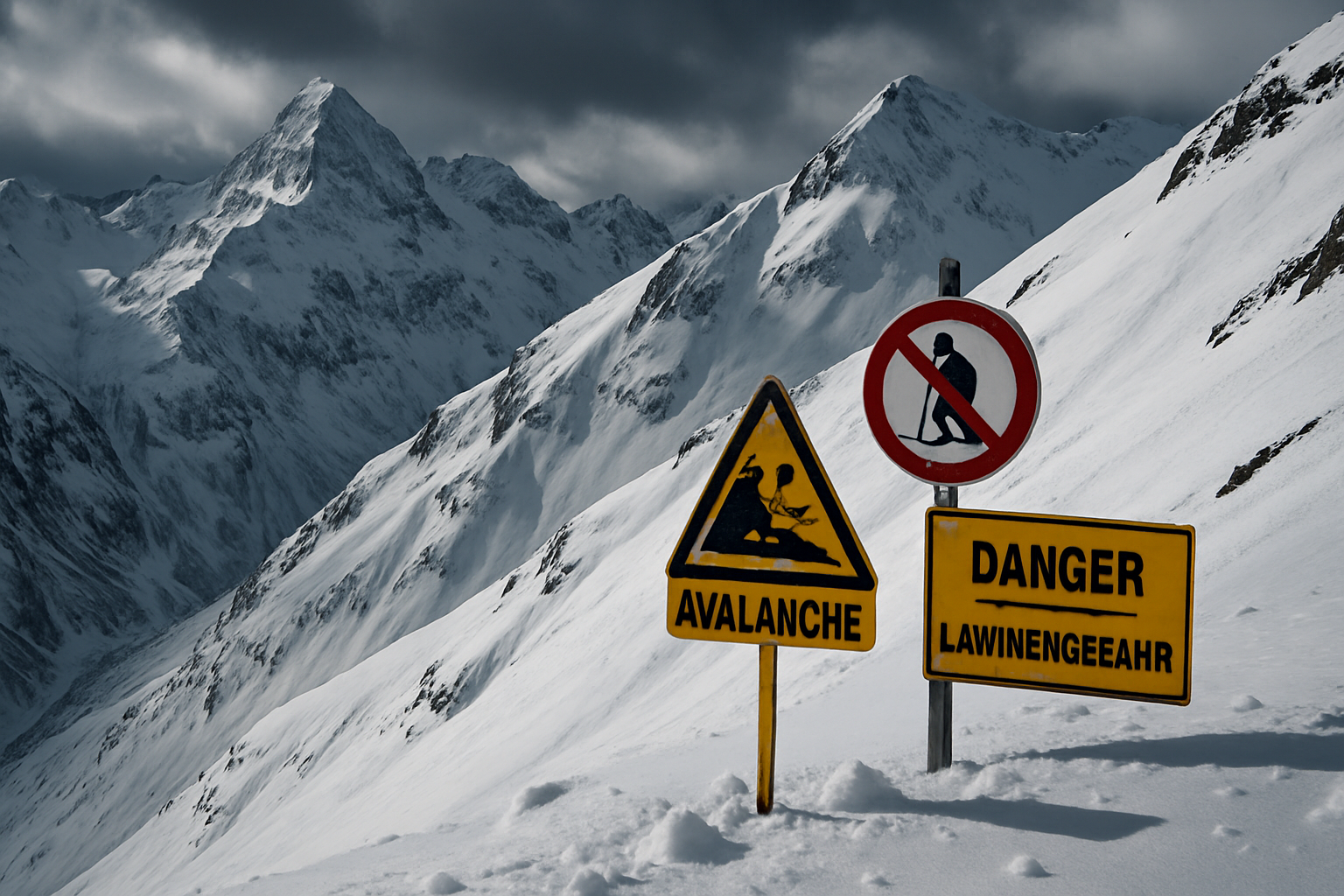
Two people died after being caught in an avalanche on the southwest slope of Monte Cornaccia in Valdidentro, Valtellina, Italy, while separate avalanche incidents in Slovakia's High Tatras claimed the lives of two Polish freeriders, including well-known extreme sports athlete Ali Olszanskis.
The latest fatalities on February 26, 2026, add to Europe's catastrophic winter avalanche season that has already claimed over 60 lives across the Alps since the season began. The incidents underscore the extreme dangers facing winter sports enthusiasts as unstable snow conditions continue to plague European mountain regions.
Italian Alps Tragedy
According to Areu (Agenzia Regionale Emergenza Urgenza), the two victims in the Valtellina incident were overwhelmed by the avalanche while engaging in backcountry activities on Monte Cornaccia's southwest face. The location in Valdidentro, situated in Italy's Lombardy region near the Swiss border, is known for its challenging off-piste terrain that attracts advanced skiers and mountaineers.
Emergency services launched an immediate search and rescue operation, but the victims could not be saved. The incident highlights the persistent dangers in the Italian Alps, which have already seen multiple avalanche fatalities this winter during what has become Europe's deadliest avalanche season in decades.
Slovakia's High Tatras Disaster
In Slovakia's High Tatras mountains, two Polish freeriders lost their lives when an avalanche struck their group. Among the victims was Ali Olszanskis, a prominent figure in the extreme sports community known for his snowboarding expertise. The tragedy occurred in an area popular with Polish winter sports enthusiasts, who frequently visit the Tatras for backcountry skiing and snowboarding.
The High Tatras, shared between Slovakia and Poland, represent one of Eastern Europe's premier winter sports destinations. The mountain range's steep terrain and variable snow conditions make it both attractive to advanced practitioners and inherently dangerous during unstable weather periods.
Unprecedented European Crisis
These latest deaths contribute to what avalanche safety experts are calling the worst European winter avalanche season in modern history. The crisis has been characterized by:
- Over 60 confirmed avalanche deaths across European mountain regions
- Particularly severe conditions in the French Alps, with 25 fatalities recorded
- Multiple incidents affecting international visitors, including recent Austrian casualties involving German and Dutch nationals
- Dangerous snow layering caused by successive Atlantic storm systems
The extreme conditions have been exacerbated by Europe's harshest winter in decades, with temperatures reaching -30°C in some regions. This has created ideal snow conditions for winter sports but simultaneously produced treacherous avalanche conditions through unstable snow layering.
Storm-Driven Instability
Meteorologists attribute the dangerous conditions to a succession of Atlantic storm systems including Leonardo, Marta, and Nils that have repeatedly dumped heavy snowfall across European mountain ranges. These storms have created layered snow deposits with weak interfaces between different snow types, making slopes highly susceptible to avalanche triggering.
The storms coincided with the Milano-Cortina 2026 Winter Olympics period, creating a paradox where excellent competitive snow conditions coexisted with extremely dangerous backcountry terrain. While Olympic venues maintained strict safety protocols, off-piste areas remained highly hazardous.
International Impact
The avalanche crisis has particularly affected international winter sports communities. Recent incidents have claimed lives of:
- British nationals in the French resort of Val d'Isère
- German mountaineers in Austrian alpine regions
- Dutch tourists in various Alpine locations
- Polish freeriders in the Slovak Tatras
- Finnish nationals in French Alpine areas
The international scope reflects the global nature of European winter tourism, with enthusiasts traveling from across the world to experience Alpine powder conditions. However, many visitors may be unfamiliar with local avalanche conditions and European safety protocols.
Emergency Response Challenges
Alpine rescue services across Europe report being stretched to their operational limits by the frequency and severity of avalanche incidents. The EU Civil Protection Mechanism has been activated, with countries like Sweden and Denmark providing €246 million in assistance for coordinated emergency response efforts.
Mountain rescue operations face particular challenges during current conditions, including ongoing avalanche dangers that complicate recovery efforts, extreme weather limiting helicopter operations, and the remote locations of many incidents requiring extensive ground-based rescue missions.
Safety Equipment Limitations
Despite widespread use of modern avalanche safety equipment including transceivers, probes, and emergency communication devices, the severity of current conditions has overwhelmed traditional safety measures. Many victims have been properly equipped and accompanied by professional guides, highlighting that even best practices cannot eliminate inherent backcountry risks during extreme conditions.
Safety experts emphasize that avalanche bulletins, local knowledge, and conservative route selection remain critical, but acknowledge that current European conditions present risks that cannot be entirely mitigated through equipment and training alone.
Economic and Tourism Impact
The avalanche crisis is affecting European winter tourism during its peak season. Ski resorts are implementing enhanced safety measures and restricting access to certain areas, while insurance companies report increased claims related to mountain accidents and trip cancellations.
The tourism industry faces the challenge of balancing safety concerns with economic needs, as winter sports generate billions of euros annually for Alpine communities. Some regions have temporarily closed specific off-piste areas or increased guide requirements for backcountry access.
Climate Context
The extreme winter conditions occur within the broader context of climate volatility, with January 2026 marking the 18th consecutive month of global temperatures exceeding 1.5°C above pre-industrial levels. While global warming continues, regional weather patterns can still produce extreme winter conditions through atmospheric circulation changes and polar vortex disruption.
Scientists note that climate change may increase weather volatility, potentially making extreme regional conditions more frequent even as global temperatures rise. This presents new challenges for predicting and managing avalanche risks in European mountain regions.
Ongoing Investigations
Authorities in both Italy and Slovakia have launched investigations into the latest incidents, examining weather conditions, snow stability factors, and safety procedures. These investigations will contribute to ongoing efforts to improve avalanche forecasting and safety protocols across European mountain regions.
The findings may influence future safety recommendations, guide training requirements, and inform policies regarding backcountry access during extreme conditions.
Looking Forward
As the European winter season continues, avalanche safety experts warn that dangerous conditions are likely to persist. Additional Atlantic storm systems remain possible, and existing unstable snow layers continue to pose risks throughout Alpine regions.
The crisis represents a watershed moment for European mountain safety, potentially leading to enhanced international cooperation in avalanche forecasting, standardized safety protocols, and improved emergency response coordination across national boundaries.
Mountain rescue organizations emphasize the importance of conservative decision-making, proper safety equipment, avalanche education, and respect for local conditions and warnings. However, they acknowledge that current European conditions represent extreme circumstances that challenge traditional risk management approaches.
The tragedies serve as a sobering reminder of mountain hazards and the need for enhanced safety measures as winter sports continue to grow in popularity worldwide. The international scope of recent casualties highlights the global responsibility for mountain safety education and the importance of respecting Alpine conditions regardless of experience level.