American freelance journalist Shelly Kittleson, 49, was kidnapped by armed men in Baghdad on Tuesday, March 31, 2026, sparking an immediate large-scale security operation for her rescue and international condemnation amid the ongoing Iran-US military crisis.
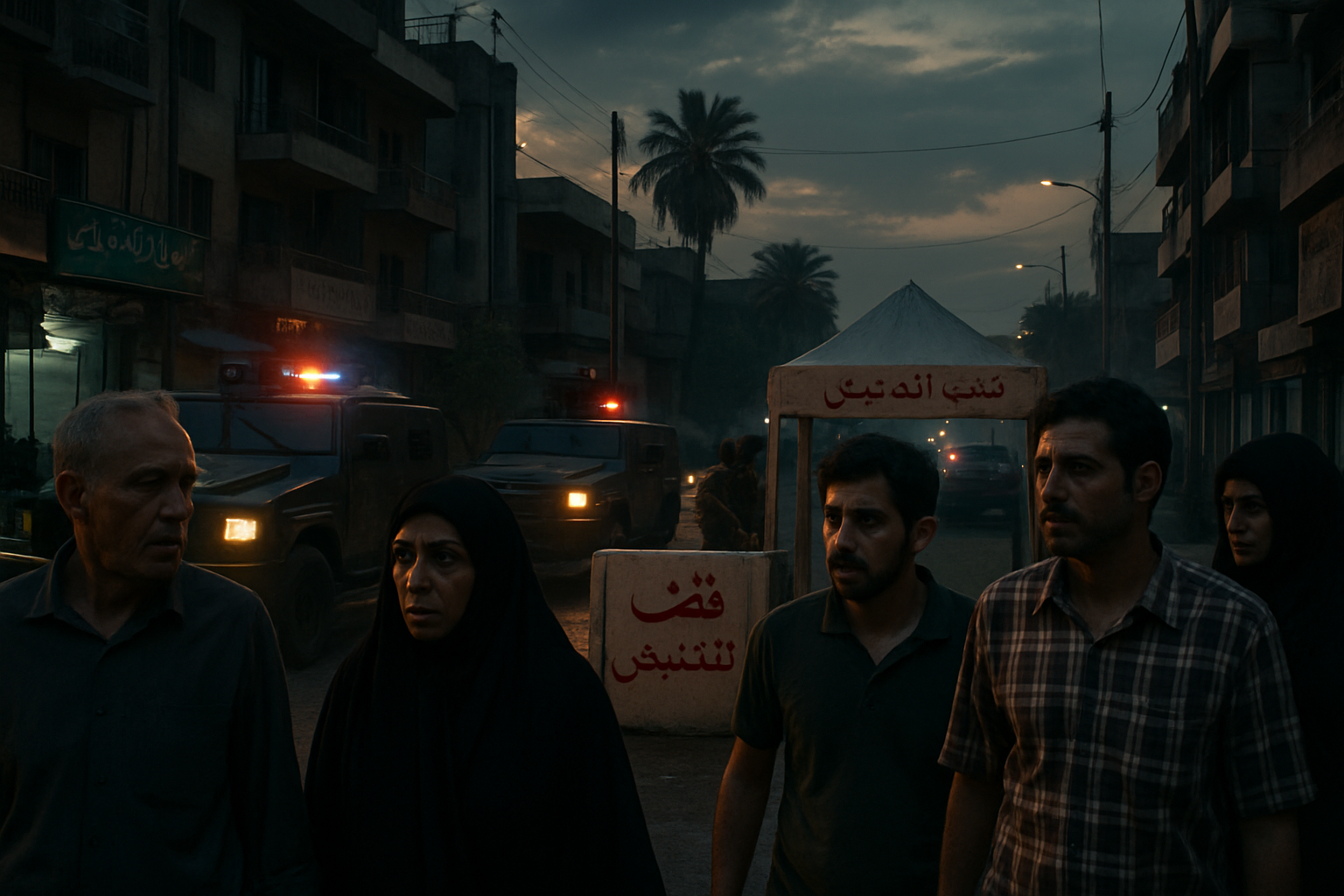
The kidnapping occurred in the Karrada district in central Baghdad, near the Palestine Hotel, where Spanish photojournalist José Couso was killed by American forces in 2003. Iraqi Ministry of Interior confirmed that unidentified armed men seized the CNN contributor and freelance journalist, prompting security forces to launch intensive search operations across the capital.
Security Operation Underway
Iraqi authorities immediately mobilized resources based on what they described as "precise intelligence data" to locate Kittleson and her captors. Security forces intercepted a vehicle believed to belong to the kidnappers, which overturned during an attempted escape. One suspected kidnapper was arrested while others fled with the journalist, according to Italian media reports.
CCTV footage captured the moment of the abduction, showing armed men forcibly taking Kittleson from a street in broad daylight. The 49-year-old freelancer had been warned by U.S. officials against traveling to Baghdad before the kidnapping, according to New Zealand sources.
Suspected Iranian-Backed Militia Involvement
Intelligence sources and colleagues believe Kittleson may have been taken hostage by Kata'ib Hezbollah, an Iranian-backed Shiite militia operating in Iraq. Alex Plitsas, a colleague who serves as Kittleson's U.S. point of contact, expressed this concern in social media posts, stating that her location and condition remain unknown.
The Islamic Resistance in Iraq, an umbrella organization of Iran-backed armed factions, has been increasingly active against Western targets amid the broader regional conflict. This kidnapping represents the first such incident involving an American journalist since the escalation of U.S.-Israeli operations against Iran began in March 2026.
"This is happening in the middle of Baghdad, in daylight, which shows the deteriorating security situation," said a European security analyst speaking on condition of anonymity.
— European Security Expert
Regional Context and Timing
The kidnapping occurs during the most dangerous international crisis since the Cold War, as the U.S. and Israel conduct "Operation Epic Fury" against Iranian targets. The month-long military campaign has cost over $27 billion and resulted in widespread regional instability, including attacks on American diplomatic facilities across the Middle East.
Iran's Revolutionary Guards have declared that "no red lines remain" and have systematically targeted U.S. installations in response to American and Israeli strikes. The timing of Kittleson's kidnapping suggests it may be part of this broader retaliation campaign.
International Response and Rescue Efforts
Multiple European and Middle Eastern news outlets have reported conflicting information about Kittleson's status. Some Italian media sources suggested she had been released, but these reports lack official confirmation from Iraqi authorities or the U.S. State Department.
Romanian sources indicate she was hospitalized after suffering injuries during captivity, though the extent and nature of these injuries remain unclear. The U.S. Embassy in Baghdad has not issued public statements regarding the incident, likely to avoid compromising ongoing rescue operations.
Journalist's Background and Work
Shelly Kittleson is an experienced freelance journalist who has contributed to CNN and other major international media outlets. She has extensively covered Middle Eastern affairs and has worked for Italian media organizations, demonstrating her deep expertise in the region's complex political landscape.
Her colleagues describe her as a dedicated professional who has taken significant risks to report from conflict zones. The fact that she continued working in Baghdad despite U.S. government warnings underscores her commitment to journalism in one of the world's most dangerous regions for media workers.
Press Freedom Under Threat
This incident highlights the extreme dangers facing journalists in Iraq and the broader Middle East during the current crisis. The Committee to Protect Journalists documented 129 journalists killed globally in 2025, making it one of the deadliest years on record for media workers.
Iraq has long been among the most dangerous countries for journalists, with dozens killed since the 2003 U.S. invasion. The current regional conflict has further deteriorated security conditions, making independent reporting increasingly perilous.
Diplomatic Implications
The kidnapping adds another layer of complexity to the already tense U.S.-Iraq relationship during the broader Iran crisis. Iraq has tried to maintain neutrality while hosting both American forces and Iranian-backed militias, a balancing act that has become increasingly difficult as regional tensions escalate.
The incident may prompt renewed discussions about the safety of American civilians and journalists in Iraq, particularly as Iranian-backed groups have increased their attacks on U.S. targets throughout the region.
Ongoing Developments
Iraqi security forces continue their search operations across Baghdad and surrounding areas. International diplomatic efforts are likely underway, though details remain classified to protect the rescue operation's effectiveness.
The incident serves as a stark reminder of the human costs of the broader Middle East crisis, which has already resulted in thousands of casualties and displaced hundreds of thousands of people across the region. For the international journalism community, it represents another tragic example of the risks faced by those committed to reporting from the world's most dangerous conflict zones.
As the situation develops, the international community watches closely, hoping for Kittleson's safe release while grappling with the broader implications of journalist safety in an increasingly unstable region.