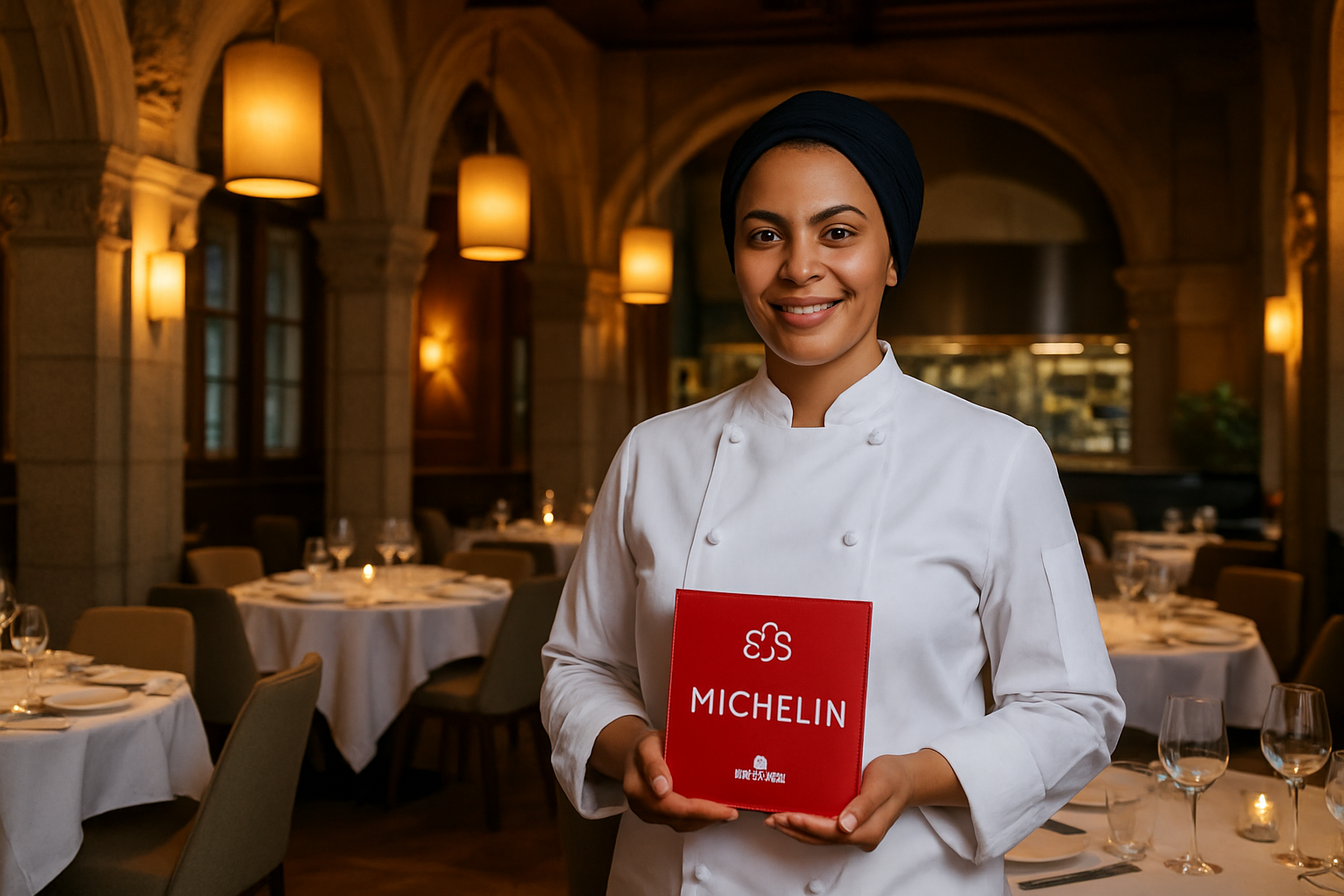
Brazilian chef Angélica Salvador has achieved a groundbreaking milestone by becoming the first Brazilian to earn a Michelin star in Portugal, commanding a restaurant in Porto that has garnered international recognition for its exceptional culinary excellence.
The Paraná-born chef's achievement represents a significant moment for Brazilian gastronomy on the international stage, demonstrating how South American culinary traditions can successfully integrate with European fine dining standards. Salvador's recognition comes during a period of unprecedented global culinary evolution, where authentic cultural expression increasingly drives restaurant success over standardized approaches.
A Historic Achievement for Brazilian Gastronomy
Salvador's Michelin star marks the first time a Brazilian chef has received this prestigious recognition outside Brazil, establishing a new precedent for international appreciation of Brazilian culinary expertise. The achievement is particularly significant as it occurs in Portugal, a country with deep historical connections to Brazil but where Brazilian chefs have traditionally faced challenges gaining recognition in the European fine dining landscape.
The timing of this recognition aligns with broader trends in the hospitality industry, where the 2026 MICHELIN Guide expansion has seen increased focus on authentic cultural expression and innovative culinary approaches. Recent developments across Europe have shown MICHELIN inspectors increasingly valuing restaurants that successfully bridge traditional techniques with contemporary innovation while maintaining cultural authenticity.
The Porto Restaurant Scene and International Recognition
Porto's culinary landscape has experienced remarkable evolution in recent years, with the city increasingly recognized as a destination for sophisticated gastronomy. Salvador's achievement contributes to Portugal's growing reputation as a culinary destination, following recent developments such as chef Ana Roš opening her first restaurant outside Slovenia in Croatian coastal regions, demonstrating increased international collaboration in European fine dining.
The restaurant industry has witnessed significant upheaval in 2026, with traditional evaluation systems facing scrutiny and chefs increasingly questioning the pressures associated with MICHELIN recognition. Salvador's success comes at a time when the industry is reassessing what constitutes culinary excellence, with growing emphasis on workplace culture, sustainability, and authentic cultural expression rather than purely technical achievement.
Cultural Bridge-Building Through Cuisine
Salvador's success represents broader trends in cultural diplomacy through gastronomy, where chefs serve as ambassadors for their national culinary traditions while adapting to local contexts. This achievement follows similar developments across the globe, including Malta's MICHELIN Guide expansion showcasing how smaller destinations compete internationally through quality-focused strategies emphasizing authentic experiences and international collaboration.
The recognition also highlights the evolving nature of Portuguese cuisine, which has increasingly embraced international influences while maintaining its cultural foundation. Recent developments in Portugal's tourism sector have emphasized culinary tourism as a strategic component, with the country positioning itself as a sophisticated gastronomic destination attracting international premium diners.
Industry Context and Future Implications
Salvador's achievement occurs during a period of significant transformation in the global restaurant industry. The 2026 culinary landscape has been marked by increased focus on workplace culture, with several high-profile establishments facing scrutiny over working conditions. Salvador's success story provides a positive counterpoint to recent industry challenges, demonstrating how authentic culinary excellence can be achieved through sustainable practices and cultural respect.
The Brazilian chef's recognition also contributes to the broader narrative of South American cuisine gaining international recognition. Recent developments have shown increased global appreciation for Latin American culinary traditions, with restaurants worldwide incorporating Brazilian ingredients and techniques into their offerings. This trend reflects growing consumer demand for authentic cultural experiences and diverse flavor profiles in fine dining.
Economic and Cultural Impact
The economic implications of Salvador's achievement extend beyond individual recognition, potentially attracting food-focused travelers to Porto and enhancing the city's international reputation as a culinary destination. Tourism industry data from 2026 shows that culinary tourism represents one of the fastest-growing segments, with travelers increasingly prioritizing authentic dining experiences when selecting destinations.
From a cultural perspective, Salvador's success demonstrates how Brazilian culinary traditions can successfully compete on the global stage while maintaining their authenticity. This achievement may inspire other Brazilian chefs to pursue international opportunities, potentially leading to increased global appreciation for Brazilian gastronomy and cultural exchange through culinary arts.
Looking Forward: Implications for Brazilian Culinary Diplomacy
Salvador's historic achievement establishes a precedent for Brazilian culinary excellence in European markets, potentially opening doors for increased collaboration between Brazilian and Portuguese culinary professionals. The recognition comes at a time when both countries are emphasizing cultural connections and economic cooperation, with gastronomy serving as an effective bridge for strengthening bilateral relationships.
The success also highlights the importance of international mobility for culinary professionals, demonstrating how cross-cultural exchange can lead to innovation while preserving authentic culinary traditions. As the global restaurant industry continues evolving toward more inclusive and diverse approaches, Salvador's achievement provides a compelling example of how cultural authenticity and technical excellence can successfully converge.
This milestone achievement by Angélica Salvador not only celebrates individual excellence but also represents a significant moment for Brazilian cultural representation on the international culinary stage, potentially inspiring future generations of Brazilian chefs to pursue global recognition while maintaining their cultural culinary heritage.