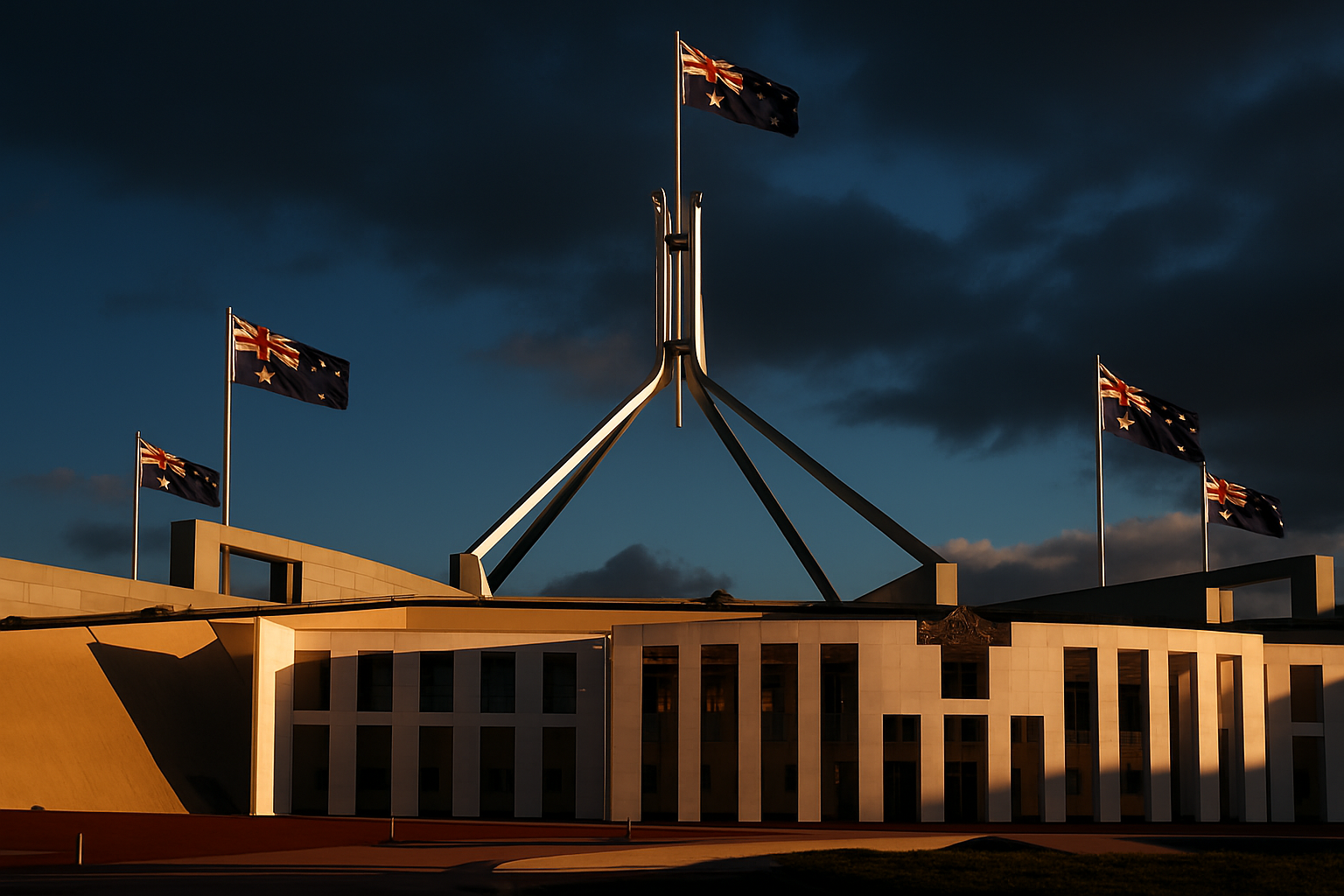
Angus Taylor has been elected as the new leader of Australia's Liberal Party, defeating incumbent Sussan Ley by a decisive margin of 34 votes to 17 in a party room ballot that ended months of speculation and internal unrest.
The 59-year-old member for Hume, who represents a NSW electorate as the son of a fourth-generation sheep farmer, has been in parliament for 13 years and is now closer than ever to the prize he has long sought - leading the federal opposition and potentially becoming Prime Minister.
The Leadership Challenge Unfolds
The leadership spill was formally triggered when MPs Phil Thompson and Jess Collins delivered a letter to Ley requesting the challenge. Taylor's resignation from the Coalition frontbench earlier this month had already signaled his intention to mount a leadership bid, strategically timed to maximize pressure on Ley's position.
In the lead-up to the vote, Taylor's supporters appeared increasingly confident, with multiple sources suggesting Ley's backers were "losing hope" as support for the conservative challenger continued to grow among federal Liberal MPs.
Ley's Troubled Leadership
Sussan Ley's tenure as Liberal leader, which made her the first woman to head the party, was marked by significant challenges from the outset. Despite laying out ambitious plans upon taking the leadership, her time at the helm was characterized by several missteps and what many colleagues viewed as missed opportunities.
Her leadership was plagued by record-low polling numbers that put additional pressure on her position. The Liberal Party under Ley struggled to gain traction as an effective opposition, with critics arguing the party failed to adequately hold the Labor government accountable on key issues.
The Coalition partnership, dating back to the 1940s, experienced unprecedented strain under Ley's leadership, with the Liberal-National alliance splitting and reuniting twice during her time as leader. This instability further undermined confidence in her ability to maintain party unity and present a coherent alternative government.
Taylor's Conservative Appeal
Taylor's successful challenge represents a shift toward the conservative wing of the Liberal Party. His critique that the party was failing to "hold the bad Labor government to account effectively" resonated with MPs who felt the opposition lacked direction and impact under Ley's more moderate leadership approach.
The new leader brings extensive experience in key portfolio areas, having served in various shadow ministerial roles. His background as the son of a NSW sheep farmer and his 13 years in federal parliament provide him with both grassroots credentials and institutional knowledge of how to operate effectively in Canberra.
Factional Dynamics and Party Unity
The leadership contest highlighted the ongoing tensions between the moderate and conservative factions within the Liberal Party. Taylor's victory suggests the conservative wing has successfully regained ascendancy within the party, potentially reshaping policy positions on key issues ranging from climate change to social policy.
The margin of victory - 34 to 17 - indicates Taylor commanded significant support across the parliamentary party, though the split reveals that a substantial minority backed Ley's continuation as leader. This presents an immediate challenge for Taylor in uniting the party behind his leadership.
Implications for Australian Politics
Taylor's elevation to the Liberal leadership comes at a crucial time for the conservative opposition. With the next federal election still some time away, the new leader will need to quickly establish his credentials as a credible alternative Prime Minister while rebuilding the Liberal Party's position in opinion polls.
The change in leadership also has implications for the broader political landscape. Taylor's more conservative positioning may create clearer policy distinctions between the major parties, potentially reshaping electoral dynamics and voter choices.
His first major test will be maintaining the Coalition partnership with the Nationals, given the recent instability in this crucial alliance. Success in this area will be essential for presenting a united conservative alternative to voters.
Looking Ahead
As Taylor assumes the leadership, he inherits both opportunities and challenges. The Liberal Party's organizational structure remains strong at the state level in many jurisdictions, providing a solid foundation for rebuilding federal electoral prospects.
However, the new leader must also address the underlying issues that contributed to Ley's difficulties - improving the party's message discipline, developing compelling policy alternatives, and presenting a coherent vision for Australia's future that resonates with voters across diverse electorates.
The leadership change marks the end of a historically significant period for the Liberal Party, as Ley's tenure as the first female leader comes to a close. Taylor now faces the task of proving he can succeed where his predecessor struggled, transforming the party's fortunes and positioning it as a credible alternative government.
With several months of record-low polling behind the party, Taylor's immediate priority will be demonstrating that the Liberal Party can effectively hold the government accountable while articulating a compelling conservative vision for Australia's future. The success or failure of this endeavor will ultimately determine whether the party room's confidence in his leadership was justified.