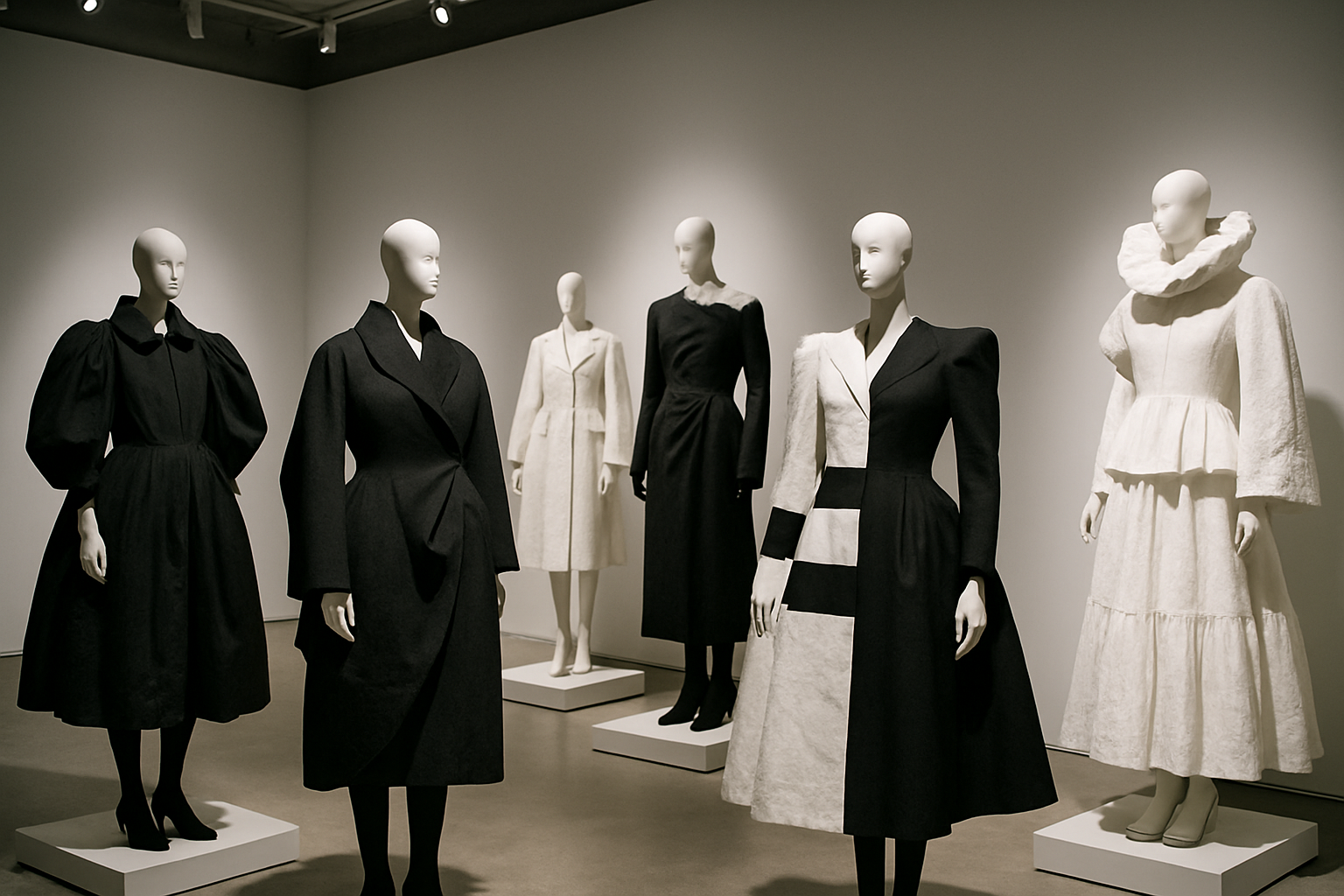
Forty years after six Flemish designers first took London Fashion Week by storm, a new exhibition at the Antwerp Fashion Museum spotlights the enduring influence of the legendary "Antwerp Six" and their revolutionary impact on global fashion.
The Antwerp Fashion Museum's latest exhibition, co-curated by Geert Bruloot—the visionary who originally introduced these designers to the world—offers a comprehensive examination of how a group of Belgian fashion graduates fundamentally changed the trajectory of international fashion. Bruloot's pivotal role in securing their entrance to the British Designer Show, the predecessor to London Fashion Week, in 1986 marked the beginning of a fashion revolution that continues to resonate today.
From Antwerp to Global Recognition
The story of the Antwerp Six begins with what Bruloot describes as "a quirk of destiny"—all six designers happened to study in Antwerp around the same time, yet paradoxically, they "never really functioned as a group." Despite being collectively branded as the "Antwerp 6," each designer was fiercely independent, keen to establish their individual creative voices on the international fashion stage.
Their journey to prominence was marked by persistence and innovation. After attending the British Designer Show five times, each designer eventually parted ways to present their collections in Paris, the traditional epicenter of haute couture. This transition from London's emerging fashion scene to Paris's established luxury market demonstrated their evolution from promising newcomers to internationally recognized fashion forces.
The Cultural Renaissance Context
The timing of this retrospective exhibition aligns with what fashion historians are calling the "2026 Cultural Renaissance," a period characterized by renewed interest in heritage preservation coupled with contemporary innovation. This broader cultural movement, documented across multiple continents, emphasizes the sophisticated balance between honoring traditional craftsmanship and embracing technological advancement.
"The Antwerp Six represented more than just fashion design—they embodied a new way of thinking about creativity that challenged established hierarchies and geographic limitations."
— Geert Bruloot, Exhibition Co-curator
The exhibition demonstrates how the Antwerp Six's approach parallels successful contemporary fashion movements, particularly the ongoing African fashion renaissance. Like the young Kenyan designers currently revolutionizing East African fashion through technology-tradition synthesis, the Belgian designers of the 1980s pioneered a methodology that respected European fashion heritage while boldly innovating beyond conventional boundaries.
Lasting Impact on Contemporary Fashion
The influence of the Antwerp Six extends far beyond their original collections. Their approach to fashion as both art and commerce has become a template for independent designers worldwide. The exhibition traces how their philosophy of uncompromising creative vision, combined with strategic international positioning, created a new paradigm for fashion entrepreneurship.
Contemporary fashion weeks from Paris to New York continue to reflect the democratic approach to fashion that the Antwerp Six championed. Their success demonstrated that innovation could emerge from unexpected geographic locations, inspiring fashion capitals to seek fresh perspectives beyond traditional centers of design.
The sustainability consciousness prominent in today's fashion industry also traces roots to the Antwerp Six's emphasis on quality craftsmanship over mass production. Their focus on creating distinctive, lasting pieces rather than following fleeting trends anticipated the contemporary movement toward slow fashion and conscious consumption.
Technology and Tradition Synthesis
The exhibition employs cutting-edge museum technology to present the designers' work, including digital archives and interactive displays that allow visitors to explore the evolution of their designs over four decades. This sophisticated integration of technology serves to enhance rather than replace the authentic appreciation of the garments themselves—a principle that mirrors the successful cultural preservation strategies documented across the 2026 Cultural Renaissance.
Advanced documentation techniques preserve the intricate details of construction methods, fabric innovations, and design philosophies that made each designer distinctive. Virtual reality components enable international audiences to experience the cultural context that inspired these revolutionary collections, extending the exhibition's reach while maintaining the integrity of the physical artifacts.
Economic and Cultural Multiplier Effects
The legacy of the Antwerp Six continues to generate substantial economic benefits for Belgium's fashion sector. The exhibition attracts international fashion professionals, academics, and enthusiasts, creating cultural tourism revenue while reinforcing Belgium's reputation as a center of fashion innovation. Local fashion schools report increased international enrollment, with students seeking to understand the educational environment that produced such influential designers.
The broader economic impact extends beyond tourism. Contemporary Belgian fashion brands continue to benefit from the international recognition and credibility established by their predecessors. Fashion weeks, buyers, and media outlets maintain heightened interest in Belgian design, creating ongoing opportunities for emerging designers to access global markets.
Challenges and Contemporary Relevance
The exhibition honestly addresses the challenges facing contemporary fashion designers that mirror those confronted by the original Antwerp Six. Access to capital, international distribution networks, and established brand competition remain significant obstacles. However, the designers' pioneering use of collaborative approaches, shared resources, and strategic international partnerships provides relevant guidance for today's fashion entrepreneurs.
The tension between authentic cultural expression and commercial viability—a central theme in the Antwerp Six story—continues to challenge contemporary designers worldwide. The exhibition explores how each designer navigated this balance differently, providing multiple models for maintaining artistic integrity while achieving commercial success.
Global Fashion Democracy
Perhaps the most significant legacy of the Antwerp Six lies in their demonstration that exceptional fashion design can emerge from any geographic location with the right combination of education, creativity, and strategic vision. This principle has become fundamental to contemporary fashion's increasingly democratic landscape, where designers from Kenya to Indonesia achieve international recognition through sophisticated cultural dialogue and technological innovation.
The exhibition positions the Antwerp Six as early pioneers of fashion globalization—not in the sense of homogenization, but in the creation of international platforms that celebrate distinctive cultural perspectives. Their success provided a template for the diverse fashion movements currently transforming the industry worldwide.
Future Implications
As the fashion industry faces unprecedented challenges related to sustainability, technological disruption, and changing consumer expectations, the Antwerp Six legacy offers valuable insights. Their emphasis on individual artistic vision, quality craftsmanship, and strategic international collaboration provides guidance for navigating contemporary fashion complexities.
The exhibition concludes with a forward-looking section exploring how contemporary designers are adapting Antwerp Six principles to address current challenges. From sustainable materials innovation to digital fashion platforms, today's designers continue to build upon the foundation of creative independence and international ambition established by their Belgian predecessors.
The Antwerp Fashion Museum exhibition serves as both historical documentation and contemporary inspiration, demonstrating how authentic cultural expression enhanced by strategic vision can achieve lasting global impact. As fashion continues to evolve in response to technological advancement and changing cultural values, the legacy of the Antwerp Six provides a powerful reminder that innovation, persistence, and uncompromising creative vision remain the essential ingredients for transformative influence in the global fashion landscape.