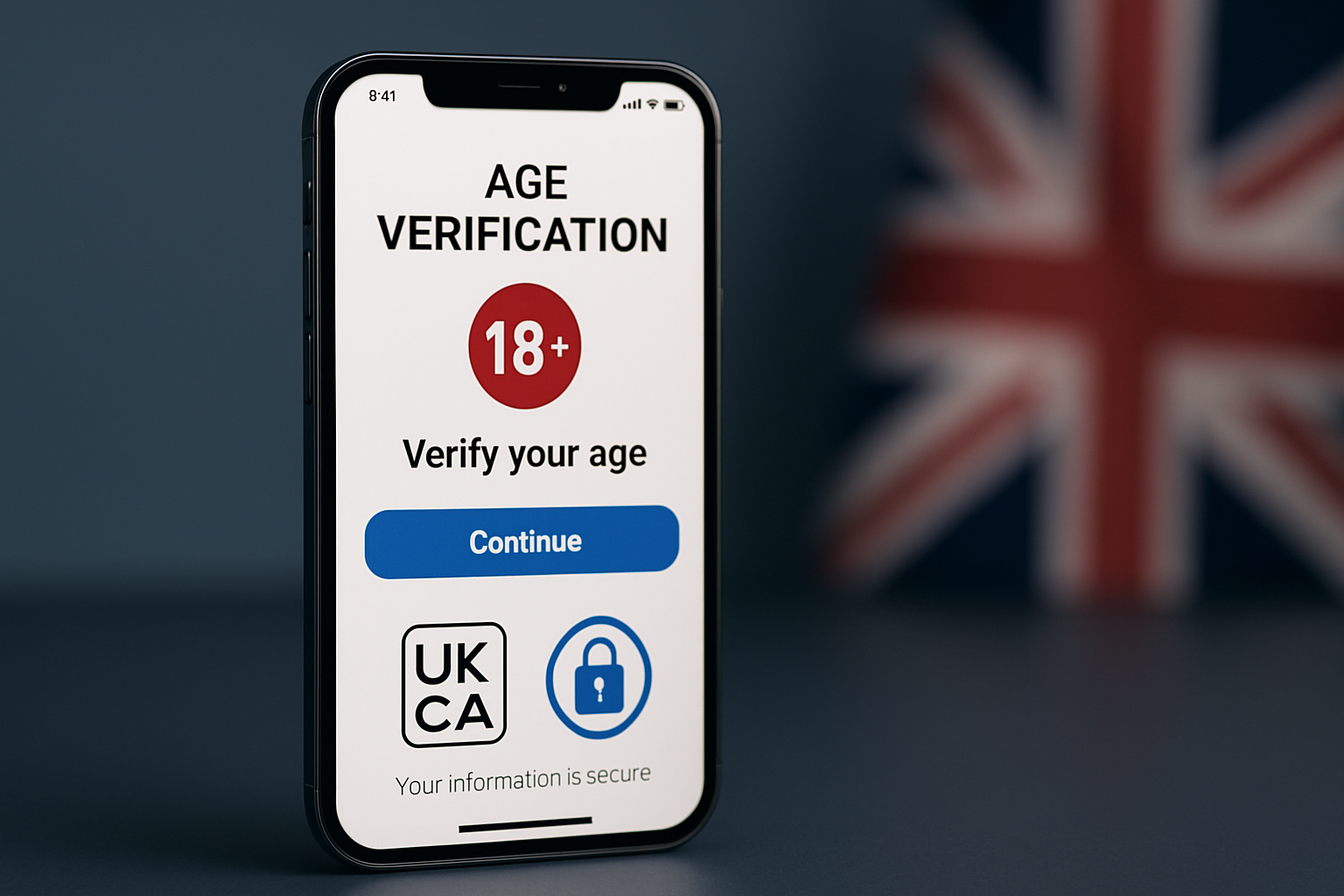
Apple has implemented a groundbreaking age verification system for UK iPhone users, requiring customers to confirm they are 18 or older to access all available services, marking the first such requirement by a major technology company in a European market.
The new system, which took effect this week, requires millions of Apple iPhone customers in the UK to verify their age through various methods including credit card verification or identity document scanning. Customers who do not confirm their age or are determined to be underage will have web content filters automatically activated on their devices.
Regulatory Response to Government Pressure
The move comes amid mounting pressure from the UK government to enhance child protection measures online. Communications regulator Ofcom has praised the decision as a "real win for children and families," while acknowledging user concerns about privacy implications.
This implementation represents part of a broader global movement toward stricter digital safety measures. The UK government, under Prime Minister Keir Starmer, has been advancing Australia-style under-16 social media restrictions, with Technology Minister Liz Kendall working to close AI chatbot loopholes in the 2023 Online Safety Act.
Technical Implementation and User Impact
The age verification system operates through multiple verification methods, allowing users to prove their age via:
- Credit card validation
- Government-issued identity document scanning
- Bank account verification
- Third-party age verification services
Users who cannot or do not complete age verification will experience restricted access to certain online content and services, with enhanced parental controls and content filtering automatically enabled.
Global Regulatory Context
Apple's UK age verification system arrives during what experts describe as the most significant social media and digital platform regulation wave in internet history. The measure follows Australia's successful implementation of under-16 social media bans, which eliminated 4.7 million teen accounts in December 2025, proving that comprehensive age restrictions are technically feasible with sufficient government commitment.
Across Europe, coordinated regulatory frameworks are emerging. Spain has implemented world-first criminal executive liability measures creating imprisonment risks for technology executives, while the European Commission has found major platforms like TikTok in violation of Digital Services Act provisions for "addictive design" features, facing potential penalties of 6% of global revenue.
Scientific Foundation for Policy Changes
The regulatory push is supported by mounting scientific evidence about digital platforms' impact on youth development. Research by Dr. Ran Barzilay at the University of Pennsylvania shows that 96% of children aged 10-15 use social media, with 70% experiencing harmful content exposure and over 50% encountering cyberbullying.
Studies demonstrate that early smartphone exposure before age 5 causes persistent sleep disorders, cognitive decline, and weight management issues extending into adulthood. Children spending four or more hours daily on screens face a 61% increased risk of depression through sleep disruption and decreased physical activity.
"The evidence is clear that unregulated digital platform access poses significant risks to child development,"
— Dr. Ran Barzilay, University of Pennsylvania
Industry Resistance and Market Impact
The technology industry has mounted significant resistance to these regulatory measures. Tech executives have characterized such policies as authoritarian overreach, with some calling them "fascist totalitarian" measures and warning of "surveillance state" implications.
The regulatory uncertainty contributed to what analysts termed "SaaSpocalypse" in February 2026, eliminating hundreds of billions in technology stock market capitalization. However, government officials have used industry opposition as evidence supporting the necessity of stronger regulatory intervention.
Implementation Challenges and Privacy Concerns
Real age verification systems require sophisticated authentication methods, potentially including biometric data collection, which raises significant privacy and surveillance concerns. Privacy advocates warn that infrastructure designed for child protection could evolve into comprehensive government monitoring systems vulnerable to sophisticated cyberattacks.
The global semiconductor shortage has created additional challenges, with memory chip prices increasing sixfold affecting companies like Samsung, SK Hynix, and Micron, constraining the technical infrastructure needed for robust age verification until new facilities come online in 2027.
Alternative Approaches Globally
While the UK and Europe pursue regulatory enforcement models, other regions have adopted different strategies. Malaysia emphasizes parental responsibility through digital safety campaigns, with officials stressing that parents must control device access rather than using technology as "digital babysitters."
Oman has implemented "Smart tech, safe choices" educational initiatives focusing on conscious digital awareness and teaching recognition of online threats. These approaches represent a philosophical divide between government intervention and individual agency in digital governance.
Looking Forward
The success or failure of Apple's UK age verification system could determine global adoption patterns for similar regulatory frameworks. Parliamentary approval is required across European nations throughout 2026 for coordinated year-end implementation of broader digital safety measures.
This represents a critical test of whether democratic institutions can effectively regulate multinational technology platforms while preserving the beneficial aspects of digital connectivity. The stakes include fundamental questions about democratic accountability, childhood development, and human agency in an increasingly digital age.
As the most sophisticated international technology governance coordination attempt since internet commercialization, the outcomes will establish precedents affecting millions of children globally and determine the framework for 21st-century technology regulation where digital and physical realities intersect in complex ways.