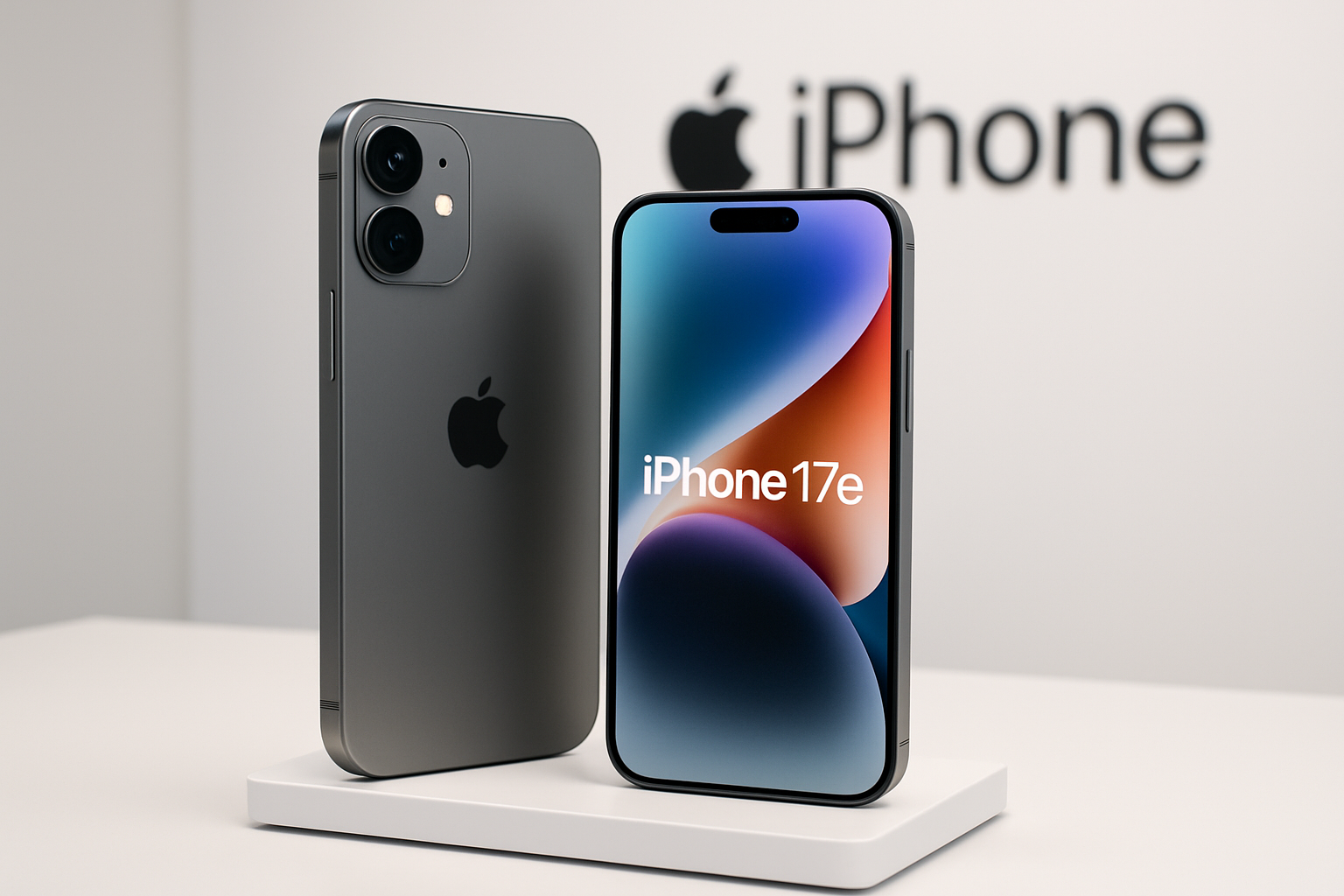
Apple has officially unveiled the iPhone 17E, marking a revolutionary shift in the company's budget smartphone strategy with an unprecedented $599 price point and flagship-level features typically reserved for premium models.
The latest addition to Apple's lower-end smartphone lineup represents the company's most aggressive pricing strategy in its history, directly challenging Samsung's Galaxy S26 series and Google's Pixel 10a success in the mid-range market. The device launches with 256GB of base storage—doubling the predecessor's 128GB—alongside the powerful A19 chip that matches the premium iPhone 17 lineup.
Strategic Market Positioning
The iPhone 17E emerges as Apple's strategic "ecosystem gateway device," designed to capture premium-budget segment consumers during an unprecedented smartphone industry crisis. The launch comes amid global semiconductor shortages that have caused memory chip prices to surge sixfold, affecting major manufacturers Samsung, SK Hynix, and Micron through 2027.
Despite supply chain cost pressures that have increased consumer electronics prices by 20-30% over the past year, Apple has doubled the storage capacity while maintaining an aggressive price point. This represents a significant consumer value commitment during challenging economic conditions.
"The iPhone 17E positioned as gateway device into Apple ecosystem with flagship features at accessible pricing, directly competing with Samsung Galaxy S26 series and Google Pixel 10a success in mid-range market."
— Industry Analysis Report
Technical Specifications and Features
The iPhone 17E maintains the familiar iPhone 16E design including the signature notch, focusing internal upgrades over aesthetic changes. Key improvements include enhanced Ceramic Shield 2 protection, MagSafe wireless charging capabilities, and a significant 48MP camera upgrade from the previous generation.
The inclusion of the A19 chip—the same processor powering Apple's premium iPhone 17 lineup—represents an unprecedented move by Apple to bring flagship performance to its budget category. This strategic decision demonstrates the company's commitment to eliminating traditional performance compromises associated with entry-level devices.
Global Launch Strategy
Apple executed a coordinated global simultaneous launch across multiple markets including Norway, Sweden, Russia, and Singapore, with comprehensive coverage from major tech publications. The worldwide rollout strategy indicates Apple's confidence in the device's potential to capture significant market share across diverse economic environments.
The launch timing aligns with Apple's spring product announcement patterns and back-to-school purchasing season, maximizing potential consumer adoption during key buying periods.
Competitive Landscape Challenges
The iPhone 17E enters a highly competitive market dominated by Samsung's Galaxy S26 Privacy Display technology and ongoing industry disruption. The device faces particular pressure from the "SaaSpocalypse" market conditions that have eliminated hundreds of billions in traditional software market capitalization.
However, Apple's strategic positioning addresses previous criticism regarding insufficient storage in budget models, directly responding to modern usage patterns that require adequate capacity for apps, photos, and videos without immediate cloud subscriptions.
Industry Context and Implications
The launch occurs during what analysts term the "2026 Gaming Technology Renaissance" and broader AI integration across Apple's product portfolio. The company's approach represents a strategic pivot toward market expansion while maintaining premium brand positioning through practical consumer benefits rather than experimental features.
Apple's storage doubling strategy directly counters industry trends toward reducing specifications to manage rising costs. This consumer-focused approach may pressure competitors to reevaluate their own premium strategies during the challenging supply environment.
Future Market Impact
The iPhone 17E success could significantly expand Apple's installed base, supporting the company's services-focused business model with hardware serving as a gateway to recurring revenue streams. The device positions Apple to compete more effectively against Windows-based alternatives in the broader consumer electronics market.
Industry observers view the launch as a potential template for similar approaches across Apple's product lines, though failure could reinforce challenges in maintaining brand equity while pursuing market expansion. The critical test will be consumer adoption and the device's ability to drive ecosystem engagement.
With the smartphone industry facing its most challenging period in years, Apple's bold move with the iPhone 17E represents a calculated bet on consumer demand for premium features at accessible pricing. The success or failure of this strategy may determine the company's approach to budget devices for years to come, potentially reshaping the entire mid-range smartphone market in the process.