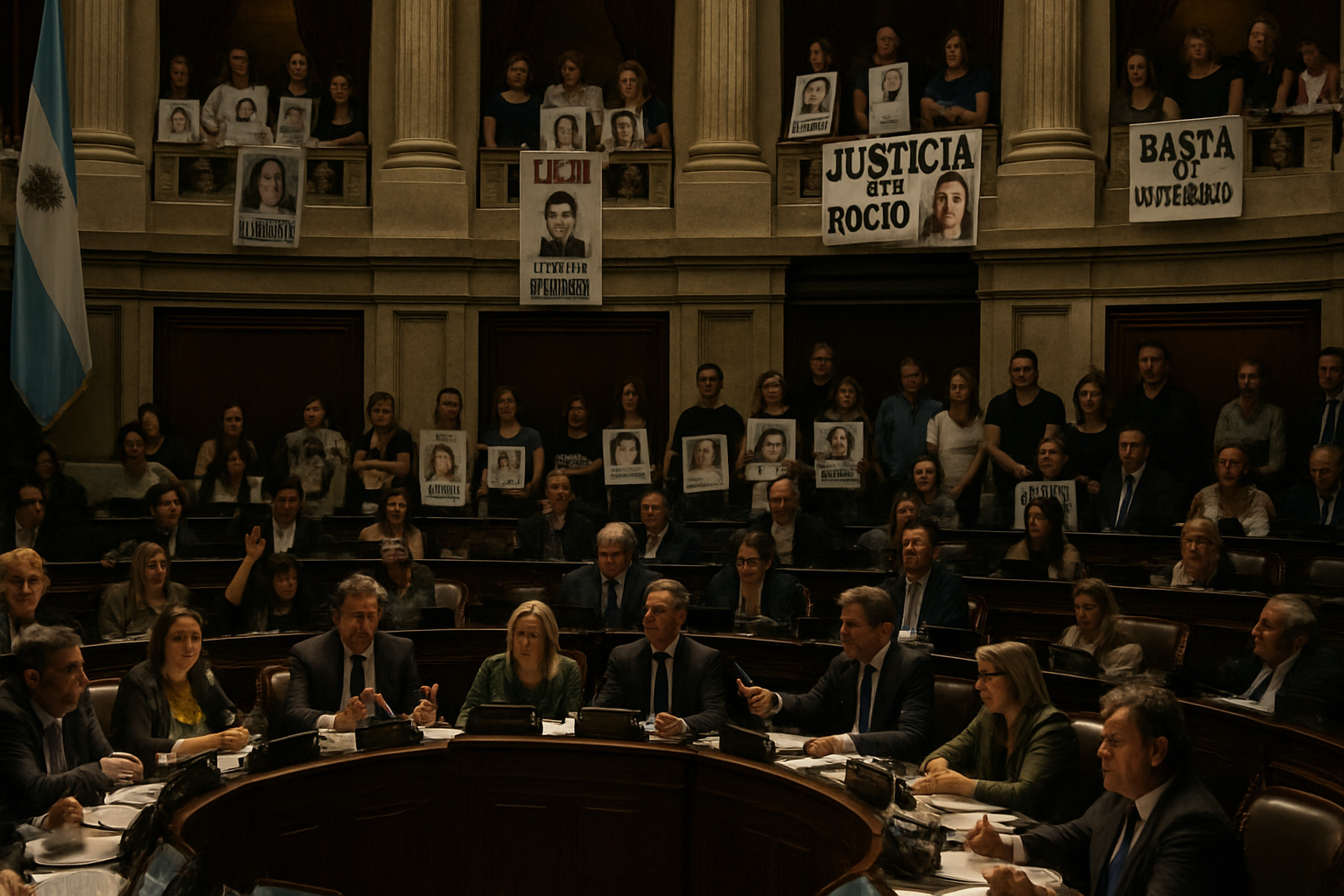
Argentina's Chamber of Deputies delivered a decisive victory to President Javier Milei's government on February 12, 2026, approving controversial legislation to lower the age of criminal responsibility from 16 to 14 years in a 149-100 vote following eight hours of intense parliamentary debate.
The historic vote took place amid extraordinary scenes as families of crime victims occupied the gallery balconies, breaking into standing ovations as the final tally was announced. The emotional atmosphere underscored the deeply personal stakes surrounding juvenile justice reform in a country grappling with rising youth crime rates and public demands for accountability.
Parliamentary Drama and Coalition Building
The legislative session, which extended well past midnight, showcased the government's strengthened parliamentary position through successful coalition building with the Radical Civic Union (UCR), PRO party, and provincial forces. This tactical alliance effectively isolated the opposition Unión por la Patria and leftist blocs, who denounced the measure as "punitivista" - excessively punitive.
Chamber President Martín Menem was forced to intervene multiple times during heated exchanges between government and opposition lawmakers, reflecting the deep ideological divisions surrounding criminal justice philosophy in Argentina. The voting process included differentiated consideration of budgetary chapters, demonstrating the complex legislative maneuvering required to secure passage.
"This represents a fundamental shift toward accountability over pure rehabilitation approaches in our juvenile justice system."
— Government Coalition Spokesperson
Reform Framework and Implementation
The approved legislation establishes a comprehensive new juvenile penal regime, creating specialized courts for minors aged 14-18 with distinct sentencing guidelines and mandatory rehabilitation programs. The reform maintains Argentina's emphasis on rehabilitation while introducing accountability measures that supporters argue were previously absent.
Under the new system, 14 and 15-year-old offenders will face criminal proceedings through specialized juvenile courts, with sentences adapted to their age and development needs. The legislation includes provisions for psychological evaluation, family intervention programs, and educational continuity to address underlying factors contributing to juvenile delinquency.
Implementation will require significant judicial infrastructure adaptation, including training specialized judges, developing rehabilitation facilities, and coordinating between federal and provincial jurisdictions. The government estimates full implementation will take 18-24 months, requiring substantial budgetary allocations currently under congressional review.
Opposition Criticism and International Context
Opposition lawmakers characterized the reform as a backward step contradicting international best practices that favor rehabilitation over punishment for minors. Critics argued the measure reflects populist pressure rather than evidence-based policy, pointing to studies showing minimal deterrent effects from lowering criminal responsibility ages.
The debate occurs within broader Latin American security challenges, where countries face mounting pressure to address youth crime while respecting international conventions on children's rights. Argentina's decision contrasts with recent trends in several European nations that have maintained or raised minimum ages for criminal responsibility.
International monitoring organizations, including the Inter-American Commission on Human Rights, have indicated they will closely observe implementation to ensure compliance with regional human rights standards for juveniles in conflict with the law.
Government's Broader Legislative Success
The juvenile justice victory follows President Milei's recent legislative triumph with labor reform passage, demonstrating his administration's growing capacity to build congressional coalitions beyond its libertarian base. The success reflects strategic political maneuvering by Interior Minister Patricia Bullrich, who has emerged as a key coalition architect.
Government sources indicate this legislative momentum will extend to additional reform initiatives, including constitutional amendments and judicial modernization measures. The administration's ability to maintain unified opposition to traditional Peronist strength suggests a potential realignment in Argentine political dynamics.
Senate Prospects and Timeline
The legislation now advances to the Senate, where sources indicate possible consideration as early as February 26, 2026. Government strategists express confidence about Senate passage, citing growing public support for juvenile justice reform and continued coalition unity.
Provincial governors, traditionally influential in Senate dynamics, have shown mixed reactions, with security-focused provinces supporting the measure while others express reservations about implementation costs and administrative complexity. The federal-provincial coordination required for effective implementation remains a key challenge.
Societal Implications and Future Outlook
The reform represents a philosophical shift in Argentine juvenile justice, prioritizing accountability alongside traditional rehabilitation approaches. Supporters argue this balanced framework addresses public safety concerns while maintaining protective measures for minors, potentially serving as a regional model for comprehensive juvenile justice reform.
Critics warn of potential criminalization of vulnerable youth populations, particularly those from marginalized communities lacking adequate social support systems. Child advocacy organizations have announced plans for constitutional challenges, setting the stage for prolonged legal battles over implementation.
The legislation's success reflects broader trends in democratic governance under President Milei, where traditional political alignments face pressure from evolving public expectations about security, accountability, and institutional effectiveness. As implementation begins, Argentina will serve as a closely watched case study for balancing juvenile justice reform with human rights commitments in contemporary Latin America.