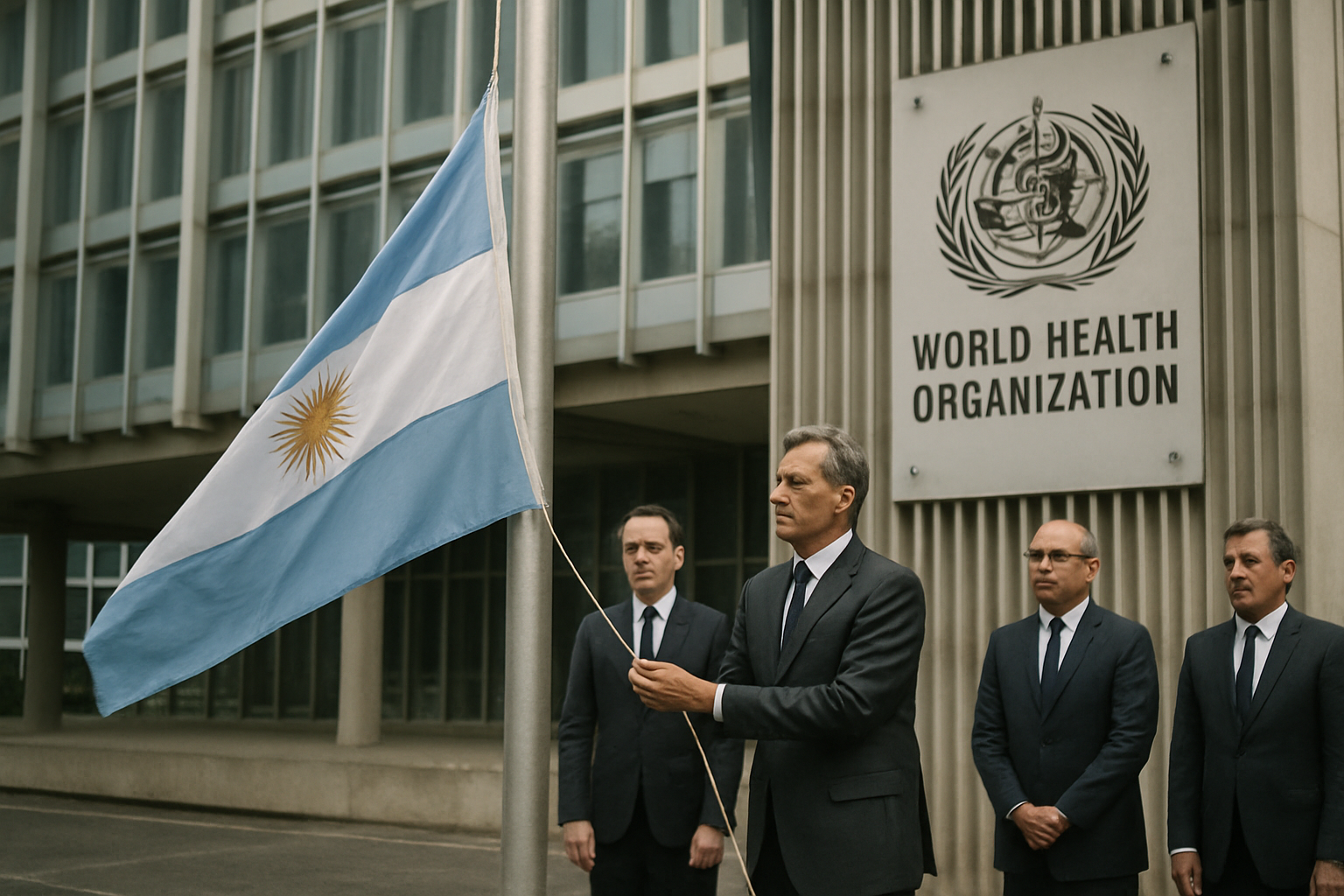
Argentina has officially completed its withdrawal from the World Health Organization (WHO) on March 17, 2026, exactly one year after President Javier Milei's administration formally notified the international body of its intention to leave, marking one of the most significant departures from global health governance in modern history.
The government of Javier Milei announced that the withdrawal became effective today, fulfilling the one-year notification period required under WHO regulations. The decision represents a dramatic break from Argentina's traditional participation in multilateral health institutions and comes amid broader changes to the country's international policy framework under the libertarian president.
Timeline and Official Process
According to multiple international sources, the Argentine government first announced its decision to withdraw from the WHO in February 2025, citing "profound differences" with the organization's management of the global health response during the COVID-19 pandemic. The formal notification was submitted in March 2025, triggering the mandatory 12-month withdrawal period stipulated in the WHO Constitution.
Italian news agency ANSA reported that "the decision becomes definitive one year after formal notification," confirming the completion of the legal withdrawal process. Venezuelan outlet El Nacional noted that the Milei government had attributed its decision to fundamental disagreements with WHO policies during the pandemic response period.
International Reactions and Context
The withdrawal occurs during a period of significant strain on the WHO's operations and funding. As documented in Planet News previous reporting, the organization has faced severe financial pressures following funding withdrawals from major contributors, including the United States under the Trump administration. These funding challenges have forced the WHO to implement job cuts and reduce operations at a critical time when global health coordination remains essential.
Mexico's El Financiero characterized the decision as "nefarious," questioning the rationale behind leaving the world's premier health organization during ongoing global health challenges. The publication noted that Argentina's departure follows a pattern of skepticism toward multilateral institutions that has characterized the Milei administration's foreign policy approach.
Broader Policy Context
Argentina's WHO withdrawal represents part of President Milei's broader international policy realignment since taking office. The decision aligns with his administration's general skepticism toward multilateral organizations and preference for bilateral relationships, particularly with countries sharing similar ideological frameworks.
The timing of the withdrawal's completion coincides with other significant policy changes under the Milei administration, including comprehensive economic reforms, labor market restructuring, and the renegotiation of various international agreements. The government has consistently argued that these changes are necessary to restore Argentina's sovereignty and implement more effective policies tailored to national interests.
Health System Implications
Argentina's departure from the WHO raises questions about the country's participation in global health initiatives, pandemic preparedness frameworks, and access to international health resources and expertise. The WHO has historically provided technical assistance, disease surveillance coordination, and emergency response support to member countries.
During the ongoing "Therapeutic Revolution of 2026" - a global shift toward prevention-first healthcare strategies - Argentina's absence from WHO coordination could impact its ability to participate in international health innovation networks and collaborative research initiatives that have proven crucial for addressing emerging health challenges.
Regional and Global Precedent
Argentina becomes one of the few countries to complete a withdrawal from the WHO in recent decades, setting a significant precedent for other nations that may be considering similar moves. The decision occurs amid broader questions about the future of multilateral health governance and the effectiveness of international organizations in addressing transnational health challenges.
The withdrawal also reflects broader tensions within the international community about the balance between national sovereignty and global health coordination. As documented in recent reporting, various countries have implemented different approaches to balancing domestic health priorities with international cooperation requirements.
Economic and Strategic Considerations
The decision to leave the WHO aligns with the Milei administration's broader economic philosophy emphasizing reduced government expenditure and skepticism toward international commitments that may constrain domestic policy flexibility. Argentina's WHO membership fees and related international health commitments represented ongoing financial obligations that the government has deemed inconsistent with its fiscal priorities.
At the same time, the withdrawal occurs as Argentina has been strengthening bilateral relationships with countries like the United States, including significant trade agreements that have eliminated over 1,600 tariffs and positioned Argentina as a key South American partner for the Trump administration.
Future Health Cooperation Models
Despite the WHO withdrawal, Argentina continues to participate in bilateral health cooperation arrangements and regional health initiatives. The government has indicated that it will pursue alternative frameworks for international health collaboration that provide greater flexibility and alignment with national priorities.
This approach reflects broader trends toward what experts have termed "distributed cooperation models" - bilateral partnerships and regional networks that can provide flexible, culturally responsive approaches to health challenges while maintaining evidence-based medical standards without the constraints of large multilateral organizations.
Looking Forward
The completion of Argentina's WHO withdrawal marks a historic moment in global health governance, representing the most significant departure from the organization by a major Latin American country. The decision's long-term implications will depend on Argentina's ability to maintain effective health systems and international cooperation through alternative mechanisms.
As the global community continues to address ongoing health challenges, including climate-related health impacts, emerging infectious diseases, and the need for pandemic preparedness, Argentina's experience outside the WHO framework will provide a crucial case study for evaluating different approaches to international health cooperation in the 21st century.
The withdrawal reflects broader questions about the future of global governance institutions and whether traditional multilateral frameworks can adapt to changing geopolitical realities and diverse national priorities while maintaining effectiveness in addressing transnational challenges that require coordinated international responses.