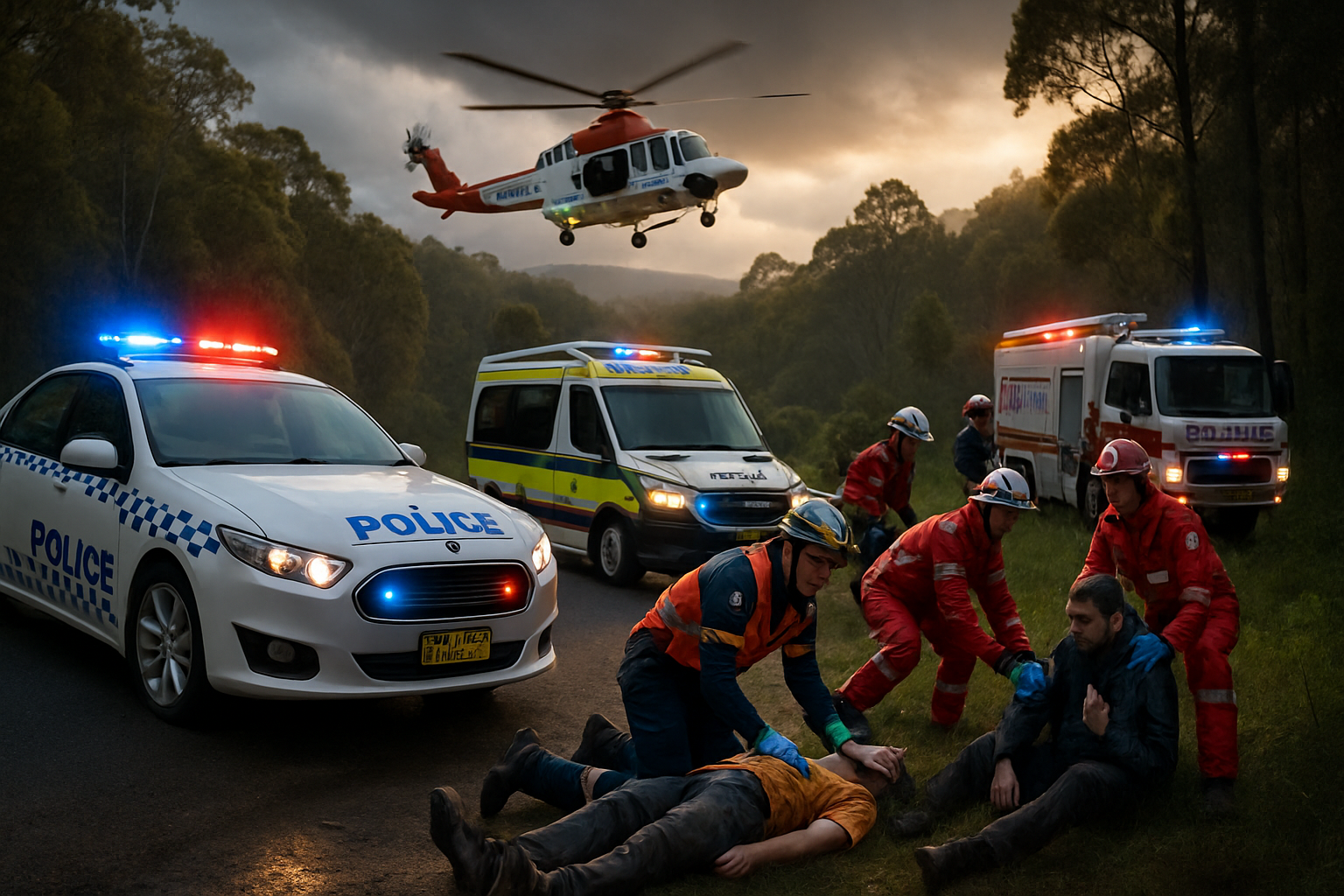
A series of deadly emergency incidents across Australia and New Zealand over the past 48 hours has overwhelmed emergency services, with fatal dog attacks, missing hikers, and vehicle crashes highlighting the ongoing public safety challenges facing both nations.
The most tragic incidents have occurred in New Zealand, where two separate dog attacks have resulted in multiple fatalities and serious injuries, raising urgent questions about animal control and public safety measures.
Fatal Dog Attacks in New Zealand
In Northland, New Zealand, 62-year-old Mihiata Te Rore was killed after being attacked by three dogs while visiting a property in Kaihu. The incident has shocked the local community and prompted immediate action from authorities, who have since euthanized the dogs responsible for the attack.
In a separate incident in Christchurch, a father and son were hospitalized following what witnesses described as a "bloodbath" dog attack. According to a friend of the dogs' owner, the two animals involved were usually very obedient, and the attack came out of nowhere, highlighting the unpredictable nature of such incidents.
"The dogs were usually very obedient and the attack came out of nowhere."
— Friend of dogs' owner, Christchurch incident
These attacks have reignited debates about dog control legislation and the responsibilities of pet owners in both urban and rural settings. The incidents demonstrate the urgent need for enhanced animal control measures and public education about dog safety.
Missing Students in Queensland National Park
Meanwhile, in Australia, emergency services launched a major search and rescue operation after five students became lost overnight in Springbrook National Park, Queensland. The group, who were on a guided hiking expedition, wandered from the designated trail and became stranded in the dense rainforest and challenging terrain.
The students were part of what appears to be a growing trend of educational outdoor activities that, while beneficial for learning and development, can present significant risks when proper safety protocols are not followed or when unexpected circumstances arise.
Search and rescue teams worked through the night in difficult conditions, navigating the park's notorious dense vegetation and steep terrain that has claimed numerous hikers over the years. The incident underscores the importance of proper preparation and adherence to safety guidelines when venturing into Australia's challenging wilderness areas.
Fatal Traffic Incidents
Adding to the crisis, a third person has died following a serious crash on State Highway 1 in Marlborough, New Zealand. The multi-vehicle accident has left two other people still hospitalized, highlighting the ongoing road safety challenges that continue to plague New Zealand's highway system.
This latest fatality brings renewed attention to road safety measures and the need for continued investment in infrastructure improvements and driver education programs. The Marlborough region, known for its winding coastal roads and challenging driving conditions, has been the site of numerous serious accidents in recent years.
Emergency Services Response
The simultaneous nature of these incidents has placed significant strain on emergency services across both countries. Police, paramedics, search and rescue teams, and hospital staff have been working around the clock to respond to the multiple crises.
In Queensland, specialist search and rescue teams equipped with GPS technology and thermal imaging equipment were deployed to locate the missing students. The operation required coordination between multiple agencies, including Parks and Wildlife services, Queensland Police, and volunteer rescue organizations.
New Zealand authorities have responded to the dog attacks by reviewing animal control policies and working with local councils to ensure adequate enforcement of existing regulations. The incidents have prompted calls for stricter penalties for owners of dogs involved in serious attacks and enhanced community education programs.
Broader Safety Concerns
These incidents reflect broader public safety challenges facing both Australia and New Zealand, from wildlife management and outdoor recreation safety to road infrastructure and emergency response coordination.
The dog attacks in New Zealand highlight ongoing issues with animal control legislation and enforcement, particularly in rural areas where resources may be limited. Animal control experts have long warned about the risks posed by uncontrolled dogs, especially in areas where proper containment and supervision are lacking.
The missing students incident in Springbrook National Park underscores the inherent risks associated with outdoor education programs and the need for comprehensive safety protocols. While such programs provide valuable learning experiences, they require careful risk assessment and proper safety measures to prevent dangerous situations.
Community Impact and Response
Local communities have rallied to support those affected by these tragic incidents. In Northland, the death of Mihiata Te Rore has deeply impacted the small community of Kaihu, where residents are grappling with the loss of a well-known community member.
The Christchurch dog attack has prompted local residents to call for enhanced animal control measures and better enforcement of existing regulations. Community groups are organizing to advocate for stronger penalties for irresponsible dog ownership and improved public education about dog safety.
In Queensland, the families of the missing students have received extensive support from both official emergency services and volunteer organizations. The incident has highlighted the dedication of search and rescue volunteers who risk their own safety to help others in distress.
Looking Forward: Prevention and Preparedness
These incidents serve as stark reminders of the importance of comprehensive emergency preparedness and prevention strategies. Authorities in both countries are reviewing their emergency response protocols and considering additional measures to prevent similar tragedies.
For dog attacks, this includes reviewing animal control legislation, enhancing enforcement capabilities, and improving public education about responsible pet ownership and dog safety. There are also calls for better coordination between local councils and animal control services to ensure consistent enforcement of regulations.
Regarding outdoor recreation safety, authorities are considering enhanced safety requirements for educational excursions, improved trail marking and communication systems in national parks, and better coordination between tour operators and emergency services.
Road safety initiatives continue to focus on infrastructure improvements, enhanced driver education, and the implementation of new technologies to prevent accidents and reduce their severity when they do occur.
As investigations continue into these tragic incidents, the focus remains on supporting the victims and their families while working to prevent similar tragedies in the future. The coordination between Australian and New Zealand emergency services in responding to these incidents demonstrates the strong bilateral relationship and shared commitment to public safety that exists between the two nations.