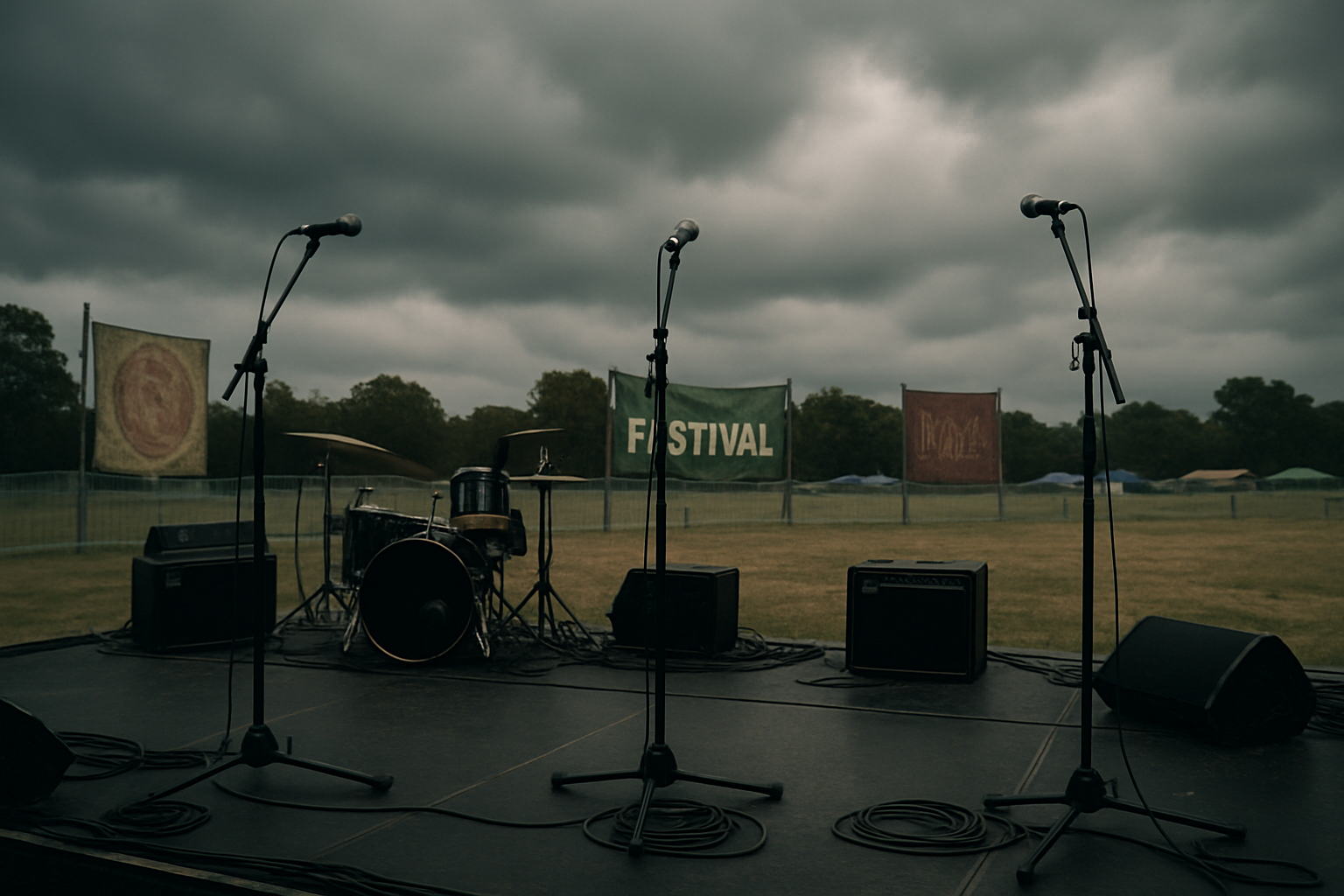
Rolling Loud's shock cancellation just one week before its scheduled Sydney and Melbourne shows has become the latest casualty in Australia's escalating music festival crisis, highlighting systemic challenges that have plagued the industry since early 2025.
The global hip hop festival announced on February 28 that its March 7 Sydney and March 8 Melbourne events would not proceed, delivering yet another devastating blow to music fans who have watched Australia's festival landscape steadily contract over the past 14 months.
A Pattern of Industry Collapse
Rolling Loud's cancellation represents far more than an isolated incident—it exemplifies a disturbing trend that has seen dozens of Australian music festivals fold since the beginning of 2025. The festival joins an extensive list of casualties that has fundamentally altered the country's live music ecosystem.
The timing of Rolling Loud's announcement, coming just days before gates were scheduled to open, underscores the precarious financial position many festival organizers find themselves in. The decision to cancel so late in the planning process suggests that organizers exhausted all possible alternatives before acknowledging the event was no longer viable.
Systemic Industry Challenges
Industry analysts point to several interconnected factors driving the festival cancellation crisis. Rising operational costs, including venue fees, artist bookings, and security requirements, have created an increasingly unsustainable financial model for many events.
The insurance landscape has become particularly problematic, with many festivals struggling to secure affordable coverage in the wake of weather-related cancellations and public liability concerns. Premium increases of 200-300% have become common, pushing many smaller festivals beyond their financial breaking point.
"The economics simply don't work anymore for many festivals. Between increased costs and reduced ticket sales, the margin for error has essentially disappeared."
— Industry insider, speaking anonymously
Weather and Climate Pressures
Australia's increasingly volatile weather patterns have added another layer of complexity to festival planning. The country's extreme weather events in early 2026, including severe storms and flooding across multiple states, have forced organizers to invest heavily in contingency planning and weather-resistant infrastructure.
The Bureau of Meteorology's warnings about "very dangerous thunderstorms" and "apocalyptic rain" conditions that hit Sydney and surrounding regions in late February exemplify the environmental challenges festivals now face. Such conditions not only pose immediate safety risks but also create significant logistical and financial burdens for organizers.
Economic Impact on Communities
The festival cancellation crisis extends far beyond disappointed music fans. Local economies that have come to depend on festival tourism are experiencing significant revenue losses. Hotels, restaurants, transport services, and retail businesses in festival host cities report substantial drops in bookings and sales during what were traditionally peak periods.
Regional communities have been particularly hard hit, as many festivals served as major economic drivers for smaller towns and cities. The loss of these events has eliminated thousands of temporary jobs and reduced tourism revenue that many communities relied upon to sustain local businesses throughout the year.
Artist and Industry Worker Consequences
The festival cancellation wave has created a cascading effect throughout Australia's music industry. Local support acts who relied on festival bookings for exposure and income have seen performance opportunities dramatically reduced. Sound engineers, lighting technicians, security personnel, and other industry workers face an increasingly uncertain employment landscape.
International artists, too, are beginning to question the reliability of the Australian festival circuit. The reputational damage from high-profile cancellations may make it more difficult for future events to secure marquee acts, creating a cycle that further undermines the industry's viability.
Regulatory and Licensing Pressures
Increased regulatory scrutiny has added another burden to festival organizers. Enhanced safety requirements, environmental compliance standards, and licensing processes have made it more complex and expensive to stage large-scale events.
While these measures are designed to protect public safety and environmental interests, they have created additional barriers for festival organizers already operating under tight financial constraints. The administrative burden of compliance has particularly impacted smaller, independent festivals that lack the resources of major commercial operators.
International Context and Comparisons
Australia's festival crisis reflects broader global trends in live event production. Similar challenges have emerged in markets worldwide, as organizers grapple with post-pandemic operational changes, inflation pressures, and evolving consumer behavior.
However, Australia's geographic isolation and relatively small market size compound these challenges. The country's vast distances between major cities make touring expensive for international acts, while the limited population centers restrict potential audience sizes for many events.
Industry Adaptation Efforts
Some festival organizers have attempted to adapt by reducing event sizes, changing venue types, or altering their programming models. Indoor venues and smaller-scale events have shown greater resilience, though these formats cannot replace the cultural and economic impact of major outdoor festivals.
Technology integration has offered some solutions, with hybrid events incorporating livestreaming and virtual reality elements to expand audience reach. However, these innovations require significant upfront investment that many struggling festival organizers cannot afford.
Government and Industry Response
Calls for government intervention have intensified as the crisis deepens. Industry advocacy groups argue for financial support mechanisms, streamlined licensing processes, and infrastructure investment to help stabilize the festival sector.
Some state governments have announced review processes to examine festival industry challenges, though concrete support measures remain limited. The political sensitivity around public funding for commercial entertainment events has complicated policy responses.
Looking Forward: Uncertain Future
The Rolling Loud cancellation serves as a stark reminder that even internationally established festival brands are not immune to Australia's current industry challenges. The event's global success in other markets makes its Australian difficulties particularly telling about local conditions.
As the 2026 festival season progresses, the industry faces a critical juncture. The survival of Australia's festival culture may depend on finding sustainable solutions to the interconnected challenges of cost, weather, regulation, and market dynamics that have claimed so many events over the past year.
For music fans, industry workers, and the countless communities that have benefited from festival culture, the stakes could not be higher. The resolution of this crisis will determine whether Australia can maintain its position as a vibrant live music destination or whether the current wave of cancellations represents a permanent contraction of the festival landscape.
The coming months will be crucial in determining whether this crisis marks a temporary downturn or a fundamental transformation of how Australia approaches large-scale live music events.