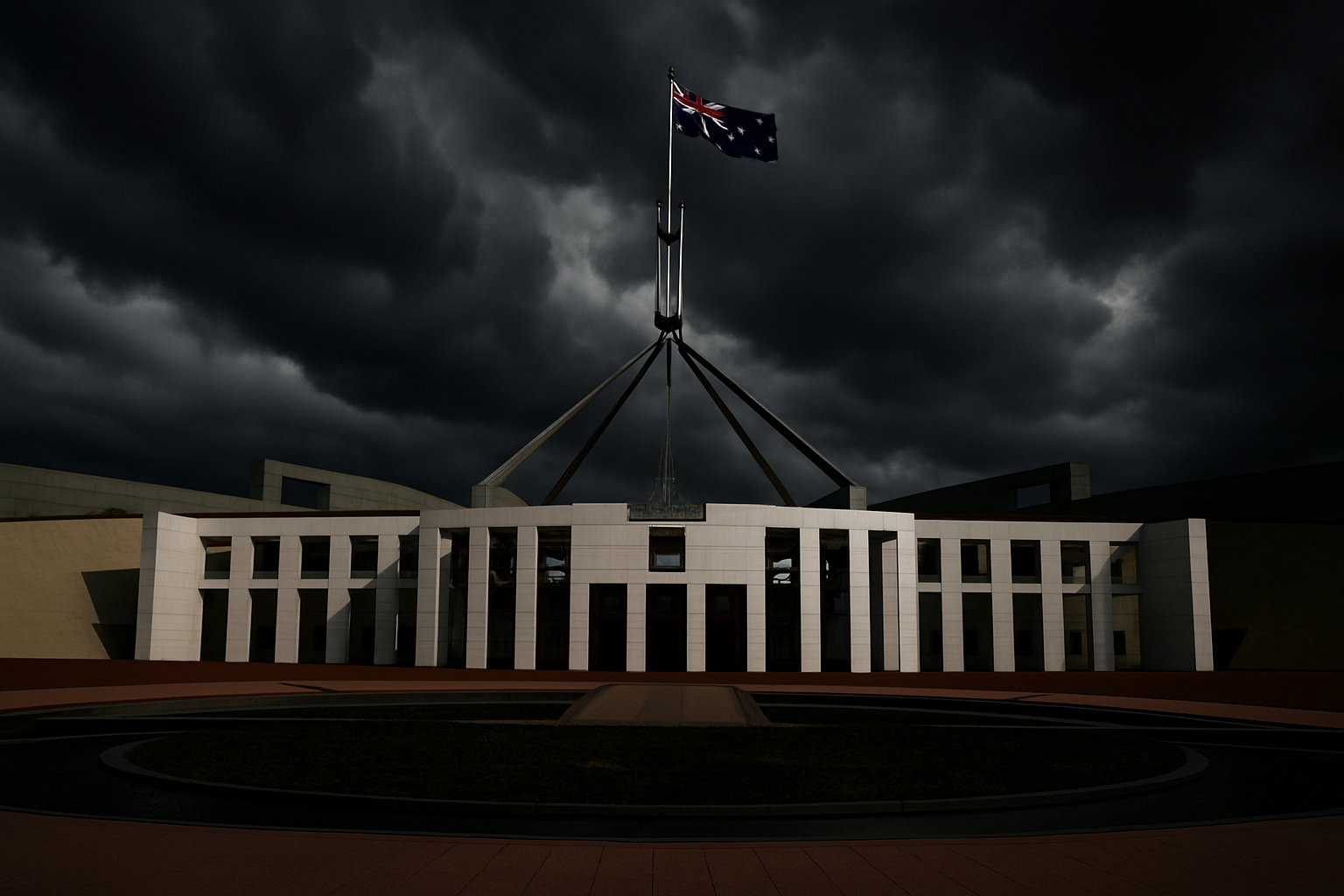
Australian opposition leader Sussan Ley finds herself under unprecedented pressure following the resignation of shadow defence minister Angus Taylor, who has positioned himself for a potential leadership challenge that could reshape the Liberal Party's future direction.
Taylor's departure from the Coalition frontbench, announced on Wednesday, marks a significant escalation in the internal tensions that have plagued Ley's leadership since she became the first woman to head the Liberal Party. The resignation has effectively triggered what many observers see as an inevitable showdown between the party's moderate and conservative factions.
Coalition Under Strain
The leadership crisis comes at a particularly challenging time for the Liberal-National coalition, which has experienced unprecedented instability under Ley's tenure. The coalition partnership, dating back to the 1940s, has split and reunited twice during her leadership, undermining party unity and public confidence in the opposition's ability to present a credible alternative government.
Local media reports suggest Taylor, representing the conservative wing of the party, has been strategically planning to challenge Ley's moderate leadership for months. His resignation statement, while diplomatically worded, contained pointed criticism of the party's current direction and its failure to effectively hold the government accountable.
"We have failed to hold a bad Labor government to account effectively..."
— Angus Taylor, in his resignation statement
Electoral Context and Challenges
Ley's position has been particularly vulnerable since she narrowly defeated Taylor in last year's leadership contest, following what was described as the Liberal Party's worst-ever election loss. Since then, her leadership has been characterized by poor polling numbers and persistent internal factional warfare that has prevented the party from gaining traction against the Labor government.
The timing of Taylor's move appears calculated to maximize pressure on Ley, coming as the party faces ongoing challenges in presenting a unified front on key policy issues. The conservative faction's dissatisfaction with Ley's moderate approach to social issues and climate policy has been simmering since her election to the leadership position.
Historical Precedent and Political Dynamics
The current crisis reflects broader challenges facing center-right parties globally as they navigate tensions between traditional conservative values and evolving voter expectations. Australia's political landscape has been particularly volatile in recent years, with frequent leadership changes becoming a defining feature of the nation's democratic process.
For Ley, the challenge extends beyond mere party politics. As the first woman to lead the Liberal Party, her leadership has been closely watched both domestically and internationally as a test case for female political leadership in traditionally male-dominated conservative parties. Her ability to weather this challenge will have implications for future female leaders within the party and the broader conservative movement.
Strategic Implications
Taylor's resignation creates a complex strategic situation for the Liberal Party. While it provides him with the freedom to mount a direct challenge to Ley's leadership, it also risks further destabilizing a party already struggling with public perception issues. The move forces Liberal MPs to choose sides, potentially creating lasting divisions regardless of the outcome.
The opposition's effectiveness has been severely hampered by these internal disputes, with government ministers regularly pointing to the coalition's instability as evidence of their unsuitability for government. This dynamic has allowed the Labor government to maintain its position despite facing its own challenges across various policy areas.
Looking Forward
As speculation mounts about a formal leadership spill, the Liberal Party faces a critical juncture that will determine not only its immediate future but also its long-term electoral prospects. The outcome of any leadership contest will send strong signals about the party's ideological direction and its approach to key policy challenges including climate change, economic management, and social issues.
For Ley, the immediate challenge is rallying sufficient support among moderate Liberal MPs and demonstrating that her leadership can provide the stability and electoral appeal the party desperately needs. Her survival would represent a significant victory for the moderate faction and could reshape the party's policy platform ahead of the next federal election.
The resignation has also highlighted the ongoing tensions within the broader conservative movement in Australia, where traditional Liberal-National coalition arrangements are being tested by changing voter demographics and evolving policy priorities. The resolution of this crisis will provide important insights into the future viability of moderate conservative politics in Australia's increasingly polarized political environment.