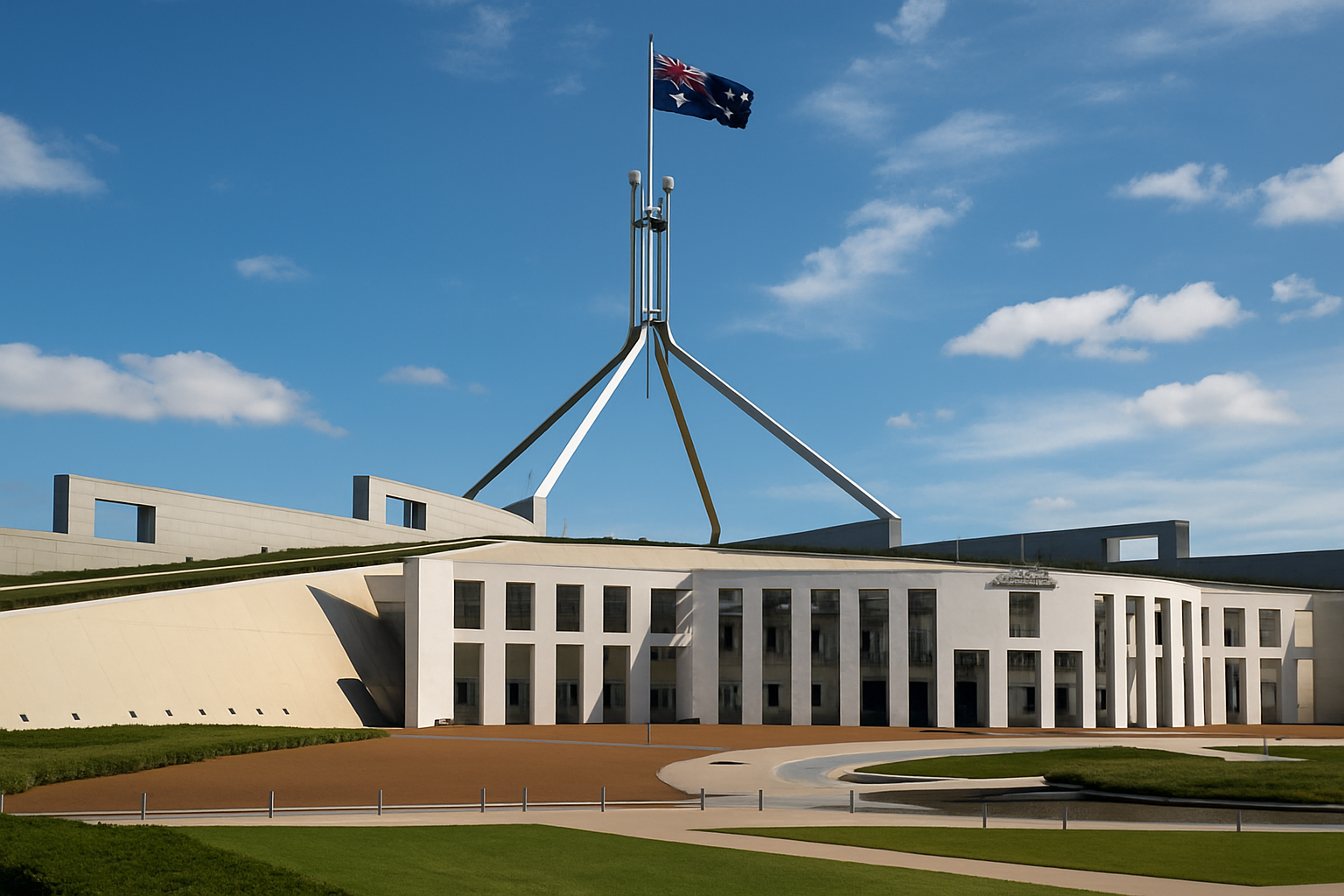
Australian Prime Minister Anthony Albanese faces unprecedented pressure as Parliament resumed following a fortnight break, with the nation grappling with a deepening fuel crisis, rising interest rates, and mounting political tensions that threaten to define the government's economic credibility.
The resumption of parliamentary business on March 27 highlighted the complex challenges confronting Australia's political establishment, as Coalition opposition leader Angus Taylor led fierce questioning over the government's handling of regional fuel supplies while simultaneously pressing for real wage increases through the Fair Work Commission.
Fuel Crisis Exposes Regional Vulnerabilities
The fuel shortage crisis has emerged as perhaps the most immediate threat to the Albanese government's political standing. Rural Queensland communities, including the townships of Texas and Robinvale, have experienced complete fuel depletion, with Goondiwindi Mayor Lawrence Springborg reporting that major suppliers are "favoring bulk distributors over independents," creating severe shortages in regional Australia.
The Australian Competition and Consumer Commission (ACCC) is now monitoring price gouging concerns as fuel costs surge past $2.50 per liter nationally, with some regions approaching the critical $3 threshold. The crisis has its roots in the global energy emergency triggered by Iran's closure of the Strait of Hormuz, which handles 40% of the world's seaborne oil transit.
Energy Minister Chris Bowen acknowledged it was "sensible" for Australians to explore working from home arrangements more frequently as the government seeks demand-management solutions rather than immediate supply interventions. This approach contrasts sharply with New Zealand, where Prime Minister Christopher Luxon has warned of potential fuel rationing reminiscent of the 1970s oil crisis.
Interest Rates Add Economic Pressure
Compounding the fuel crisis, the Reserve Bank of Australia's aggressive monetary policy stance continues to squeeze household budgets. The central bank's decision to raise rates to 4.10% in March – the second consecutive increase from the previous 3.85% level – has been passed through in full by all major banks, adding significant monthly costs for mortgage holders.
The RBA's March decision followed higher-than-anticipated inflation data that Governor Michele Bullock described as the central bank's "worst nightmare scenario." Variable rate mortgage holders now face additional monthly costs exceeding $100, bringing the combined February-March increases to approximately $3,000 annually for typical households with $500,000 mortgages.
This monetary tightening occurs against a backdrop of global central bank policy divergence, with the European Central Bank maintaining its 2% deposit rate while Australia pursues one of the most aggressive tightening cycles among developed economies. The policy has effectively priced many first-time buyers out of the market, with banks factoring higher rates into serviceability assessments.
Political Tensions Intensify
The Coalition's strategy under Angus Taylor's leadership reflects a broader attempt to establish alternative policy frameworks while holding the government accountable for economic security. Taylor, who won the Liberal leadership in February 2026 in a victory over Sussan Ley (34-17), has focused particularly on regional equity and cost-of-living pressures.
The political dynamics are complicated by the government's cautious approach to industrial relations reform. While submitting a Fair Work Commission request for real wage increases, Labor has stopped short of meeting union demands, attempting to balance worker welfare concerns against inflation risks that could prompt further RBA action.
Behind the parliamentary debates lies a fundamental challenge around energy security and regional development. The fuel crisis has exposed Australia's dangerous over-dependence on import-dependent systems, with limited domestic refining capacity making regional communities particularly vulnerable during global supply disruptions.
Economic Context and Global Implications
Australia's economic challenges cannot be separated from the broader global context. The Iran crisis has created the most severe worldwide energy emergency since the 1970s oil shocks, with oil prices breaching $100 per barrel for the first time since 2022. The International Energy Agency has authorized the largest strategic petroleum reserve release in its 50-year history – 400 million barrels from 32 countries.
The domestic impact extends beyond fuel costs to broader supply chain disruptions. Transportation companies report significant operational cost increases, while energy-intensive industries including manufacturing, mining, and agriculture face mounting production decisions amid volatile prices and uncertain supply security.
Financial markets have responded with concern about the intersection of energy price pressures and monetary policy settings. The RBA's warnings that recession has become "a possibility" reflect the difficult balance between controlling inflation and maintaining economic growth.
Regional and Social Impacts
The current crisis particularly affects rural and regional Australia, where communities have limited transport alternatives and depend heavily on vehicle-based logistics for essential services. NSW Energy Minister Penny Sharpe has chaired crisis talks involving transport, agriculture, mining, and consumer groups as the government seeks comprehensive solutions.
The social dimension of the crisis is evident in changing work patterns, with remote work arrangements becoming not just policy preferences but economic necessities for many households. Tourism operators report families reconsidering holiday plans due to mobility costs, while small businesses in regional areas face operational challenges as transport costs escalate.
The housing market faces additional pressure from the interest rate increases, with property analysts predicting further cooling effects. Financial counseling services report increased demand amid rising household stress indicators, reflecting the compound impact of fuel costs, mortgage increases, and general cost-of-living pressures.
Government Response Strategy
The Albanese government's response has emphasized demand management over supply interventions, reflecting lessons from previous energy crises about market-based solutions versus direct price controls. The approach includes enhanced regulatory powers to combat "cartel behavior" in fuel markets, supported by a $100 million enforcement fund.
However, critics argue this strategy masks deeper structural issues around energy dependence. Former Slovak finance minister warnings about "populist measures" that fail to address underlying vulnerabilities resonate in Australian policy debates about long-term energy security versus short-term relief measures.
The government must balance multiple competing demands: regional equity concerns, inflation control objectives, international cooperation requirements, and domestic political pressures. The complexity of these challenges reflects broader questions about economic sovereignty in an interconnected global system.
Opposition Strategy and Alternative Vision
The Coalition's demand for transparency on fuel supply strategies represents more than parliamentary accountability – it reflects competing visions of government's role during economic crises. Taylor's emphasis on regional communities aligns with broader Conservative themes about forgotten constituencies and metropolitan versus rural priorities.
The opposition's approach combines immediate crisis management demands with longer-term questions about energy infrastructure, strategic reserves, and supply chain resilience. This positioning allows the Coalition to present itself as both responsive to current emergencies and forward-thinking about structural vulnerabilities.
Parliamentary question time has become a crucial testing ground for the government's crisis management capabilities, with media coverage focused on ministerial responses to regional fuel shortages and economic policy coordination challenges.
Looking Ahead: Policy Implications
The convergence of fuel crisis pressures, interest rate impacts, and political accountability demands creates a critical test for Australian governance systems. The government's ability to navigate these challenges will likely influence electoral prospects and policy directions for years ahead.
Success requires coordination across multiple policy domains: energy security, monetary policy interaction, regional development, industrial relations, and international cooperation. The current period may mark a fundamental shift toward more domestically-focused economic policies, recognizing the vulnerabilities exposed by global supply chain dependencies.
The crisis also highlights the importance of strategic infrastructure investment, emergency preparedness, and the balance between market mechanisms and government intervention during extraordinary circumstances. These lessons extend beyond immediate fuel shortages to broader questions about economic resilience in an increasingly volatile global environment.
As Parliament continues its sessions, the interplay between immediate crisis management and long-term strategic planning will determine whether March 2026 represents a temporary challenge successfully managed or a watershed moment requiring fundamental reconsideration of Australia's economic and energy security frameworks.