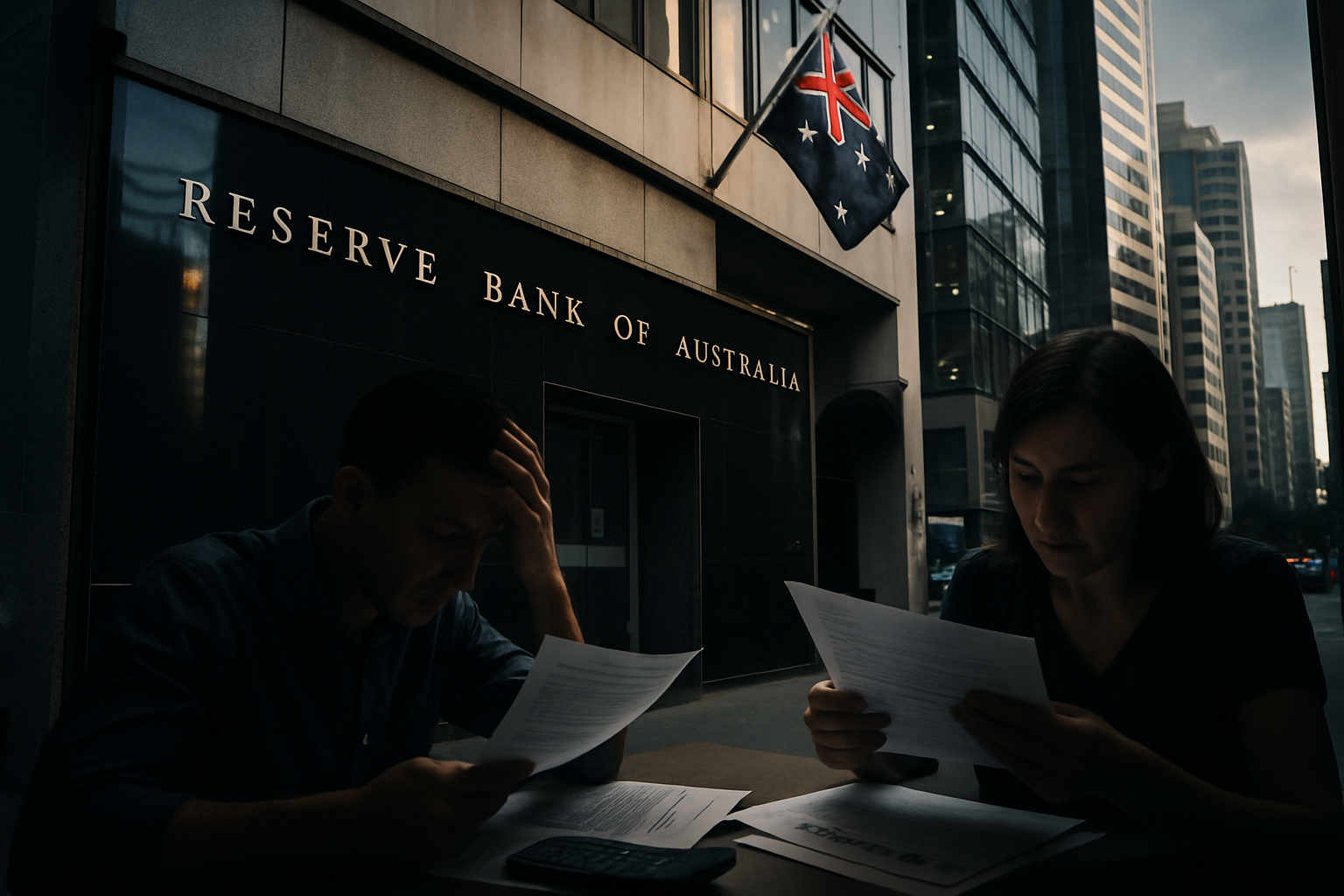
The Reserve Bank of Australia has delivered its first interest rate increase in two years, raising the official cash rate by 25 basis points to 3.85 per cent, prompting Australia's big four banks to immediately pass on the full increase to mortgage holders and triggering a wave of refinancing applications across the country.
The decision, announced on Tuesday, February 3, 2026, marks a significant shift in monetary policy after an extended period of rate stability. All major Australian banks - Commonwealth Bank of Australia, Westpac, ANZ, and National Australia Bank - moved swiftly to announce they would pass on the full 0.25 percentage point increase to their variable home loan rates.
Westpac led the charge as the first major bank to confirm the rate pass-through, with the other three institutions following suit within hours of the RBA's announcement. The synchronized response demonstrates the tight relationship between the central bank's monetary policy decisions and retail banking rates.
Immediate Impact on Mortgage Holders
For the millions of Australians holding variable rate mortgages, the rate hike translates into immediate financial pressure. Homeowners on variable interest rates could see their monthly repayments surge by over $100, according to banking analysts.
The increase affects borrowers at a time when many Australian households are already grappling with cost-of-living pressures and elevated inflation. The RBA's decision comes amid what one major bank described as unlikely to be a "one-and-done" move, suggesting further rate increases may be on the horizon.
Financial institutions are reporting a significant spike in refinancing inquiries as borrowers scramble to secure better rates or reassess their loan structures. Mortgage brokers across the country have described the response as immediate and substantial, with many borrowers "frantically doing the math" to understand how the rate change will affect their household budgets.
RBA Governor's Four Key Justifications
The Reserve Bank Governor outlined four primary reasons for the rate increase, citing concerns about materially higher inflation predictions and the need to maintain price stability. While specific details of these justifications were not fully elaborated in available reports, the decision reflects growing confidence in Australia's economic recovery and concerns about inflationary pressures.
The move to 3.85 per cent represents the RBA's assessment that the Australian economy can withstand higher borrowing costs while working to keep inflation within the central bank's target range. The decision also signals a shift away from the ultra-accommodative monetary policy that characterized the pandemic response period.
Banking Sector Response and Market Implications
The uniform response from Australia's major banks underscores the predictable nature of rate transmission in the Australian financial system. However, the speed of the pass-through has drawn criticism from consumer advocates who note that banks are typically much slower to increase deposit rates than to raise lending rates.
Industry analysts suggest this rate increase may not be the last, with several major banks indicating that further monetary tightening could be necessary depending on economic conditions. This has created additional uncertainty for borrowers trying to plan their financial futures.
The refinancing wave triggered by the announcement has put significant pressure on mortgage broker services and bank customer service centers, with many institutions reporting extended wait times for refinancing consultations.
Broader Economic Context
The rate hike comes at a time when Australia's housing market has shown resilience despite earlier predictions of significant price corrections. However, the increased borrowing costs are expected to cool housing demand and potentially moderate price growth in key metropolitan markets.
For first-time homebuyers already struggling with affordability issues, the rate increase represents an additional hurdle. The higher monthly repayments will reduce borrowing capacity for new entrants to the property market while increasing the financial burden on existing homeowners.
The decision also reflects broader global monetary policy trends, as central banks worldwide grapple with persistent inflation pressures while trying to maintain economic growth. Australia's move aligns with similar actions by other developed economies seeking to balance growth with price stability.
Looking Ahead: What Borrowers Need to Know
Financial advisors are urging mortgage holders to review their loan structures and consider fixed-rate options if they expect further rate increases. However, fixed rates have already begun to reflect expectations of higher future cash rates, limiting the potential savings for borrowers making the switch.
The refinancing surge is expected to continue in the coming weeks as borrowers seek competitive rates and reassess their banking relationships. Some smaller banks and non-bank lenders may use this opportunity to attract customers with more competitive pricing, though the overall trend points toward higher borrowing costs across the sector.
For existing homeowners, the key considerations include reviewing household budgets to accommodate higher repayments, exploring refinancing options, and potentially accelerating debt reduction strategies while rates remain relatively low by historical standards.
The RBA's signal that this may not be the final rate increase of the cycle means borrowers should prepare for the possibility of further monetary tightening in the months ahead. This uncertainty is likely to influence both consumer spending patterns and housing market dynamics as Australians adjust to the new interest rate environment.