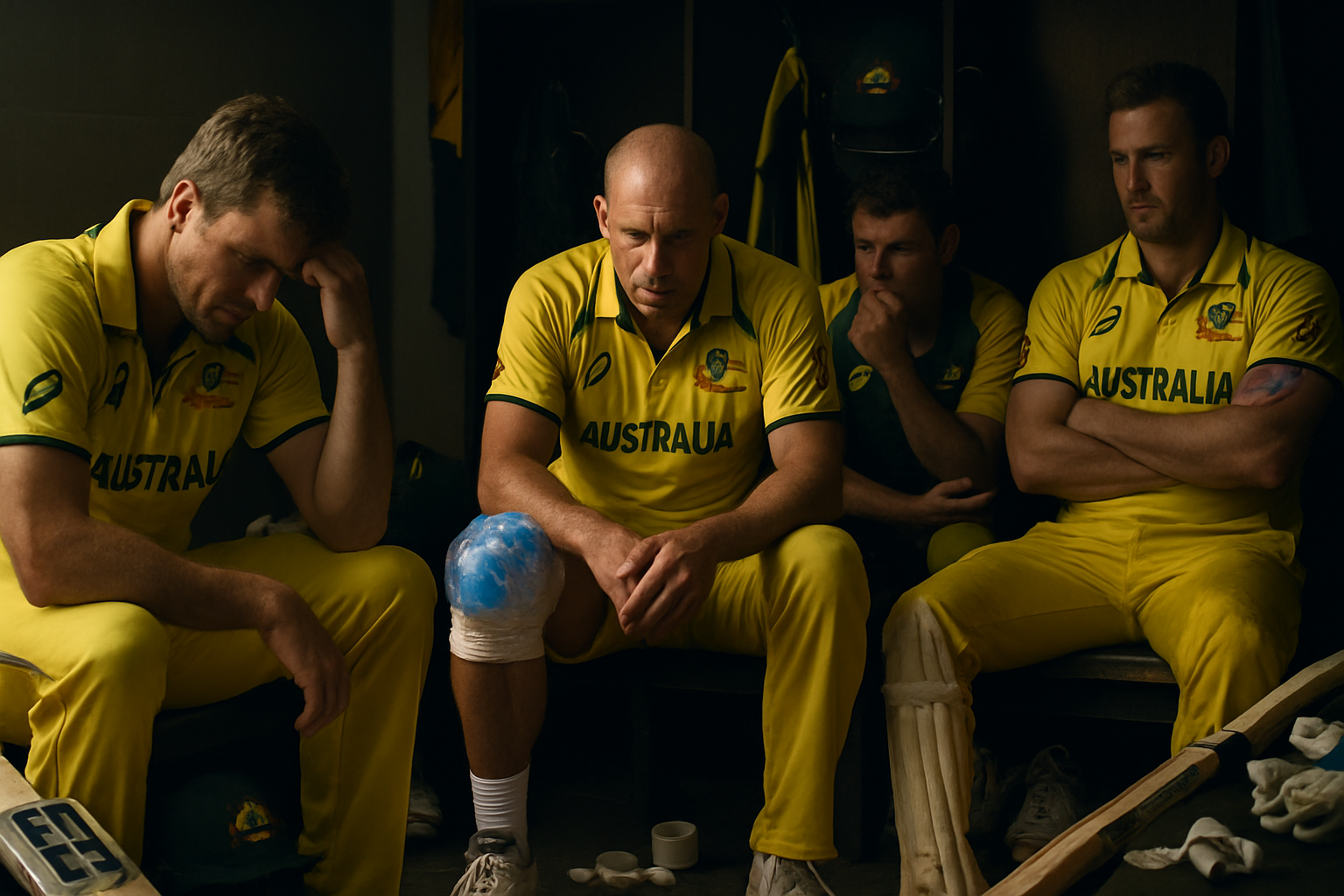
Australia's T20 World Cup 2026 preparations have suffered a devastating blow with the confirmation that pace spearhead Josh Hazlewood will miss the tournament entirely due to persistent injuries that have plagued him since the summer's Ashes series.
The Australian Cricket Team officially announced Hazlewood's withdrawal on Friday, February 6, 2026, marking another setback for a squad already grappling with fitness concerns ahead of the ICC Men's T20 World Cup 2026 scheduled to take place across Sri Lanka and India.
According to sources from ABC Grandstand Sport and the Sydney Morning Herald, the 35-year-old fast bowler continues to battle the same injuries that prevented him from participating in Australia's recent Ashes campaign, raising serious questions about the team's bowling depth and strategic planning for the upcoming tournament.
The Magnitude of the Loss
Hazlewood's absence represents far more than the loss of a single player – it strikes at the heart of Australia's bowling strategy for the T20 World Cup. The New South Wales paceman has been instrumental in Australia's limited-overs success over the past decade, offering crucial experience and skill in high-pressure tournament situations.
The timing of this announcement compounds the severity of the situation. With the T20 World Cup just weeks away, Cricket Australia now faces the challenging task of restructuring their bowling attack without one of their most reliable performers. Hazlewood's ability to bowl effectively in both the powerplay and death overs made him virtually irreplaceable in the team's tactical framework.
International cricket analyst and former player commentary from the Dhaka Tribune emphasizes that this development represents a "fresh blow" to Australia's World Cup ambitions, particularly given the team's recent struggles with player availability and form.
Historical Context and Pattern of Setbacks
Australia's cricket team has faced a series of challenges leading up to major tournaments in recent years. The current situation echoes broader concerns about player workload management and the sustainability of demanding international cricket schedules. Hazlewood's injury history stretches back several months, with the fast bowler missing significant portions of domestic and international cricket due to various physical ailments.
The withdrawal also highlights ongoing debates within Australian cricket about rotation policies and player welfare. Cricket Australia has implemented various measures to manage player workloads, but Hazlewood's case demonstrates the ongoing challenges of balancing player health with competitive requirements.
Moreover, this setback occurs against the backdrop of broader discussions about Australian cricket's direction following mixed results in recent international competitions. The team's performance in various formats has faced scrutiny, making Hazlewood's absence even more significant for team morale and tactical planning.
Impact on Team Composition and Strategy
Hazlewood's withdrawal forces significant strategic recalibration for the Australian coaching staff. The fast bowler's unique skill set – combining raw pace with precision accuracy – filled a specific role within the team's bowling unit that cannot be easily replicated by other squad members.
His absence leaves a gap in Australia's ability to contain opposition batting during crucial phases of T20 matches. Hazlewood's economy rate and wicket-taking ability in the middle overs provided the team with tactical flexibility that coaches could rely upon regardless of match conditions or opposition strategies.
The selectors now face difficult decisions about potential replacements and whether to adjust the overall team balance. This could mean promoting younger pacemen who lack tournament experience or reshuffling the bowling attack to compensate for the loss of Hazlewood's specific capabilities.
Cricket Australia will need to consider whether to bring in a like-for-like replacement or potentially adjust their team composition entirely, possibly emphasizing spin bowling or all-rounder options to maintain competitive balance.
World Cup Preparation Challenges
The T20 World Cup 2026, scheduled across multiple venues in Sri Lanka and India, presents unique challenges that Hazlewood's experience would have been invaluable in addressing. The subcontinental conditions often favor spin bowling, but Hazlewood's ability to extract pace and bounce from slower pitches made him a crucial tactical option.
His absence also affects team chemistry and leadership dynamics. Hazlewood's experience in high-pressure tournament situations provided younger players with guidance and confidence. The coaching staff must now work to rebuild these intangible elements within the squad structure.
Furthermore, the withdrawal impacts Australia's tactical preparations, as strategies developed around Hazlewood's specific bowling style and match situations must be completely reconsidered with limited time remaining before the tournament begins.
Broader Implications for Australian Cricket
This latest setback raises fundamental questions about Australian cricket's approach to player management and tournament preparation. The pattern of key players missing major tournaments due to injury concerns suggests systemic issues that extend beyond individual cases.
The situation also highlights the pressure on Cricket Australia to develop greater depth in key positions. While Australia has traditionally prided itself on having multiple world-class options in most positions, recent years have shown vulnerabilities when star players become unavailable.
Industry observers note that this challenge occurs amid broader discussions about the future direction of Australian cricket, including debates about domestic competition structures, player development pathways, and the balance between franchise cricket commitments and international duties.
Looking Forward
Despite this significant setback, Australia remains a formidable T20 side with considerable talent throughout the squad. The team's depth has been tested before, and the coaching staff will be working intensively to ensure that Hazlewood's absence doesn't derail their World Cup ambitions entirely.
The next few weeks will be crucial as selectors finalize replacement options and the remaining squad members adjust to new roles and responsibilities. The team's ability to adapt quickly and maintain competitive standards will determine whether this setback becomes a defining challenge or merely another obstacle overcome on the path to potential tournament success.
Cricket Australia faces the immediate challenge of managing expectations while maintaining confidence within the squad. The organization's response to this crisis will provide insight into their overall preparedness for major tournament cricket and their ability to handle adversity under pressure.
As the T20 World Cup approaches, all eyes will be on how Australia adapts to this latest challenge, with fans and critics alike watching to see whether the team can overcome the loss of one of their most reliable performers and still mount a credible championship campaign.