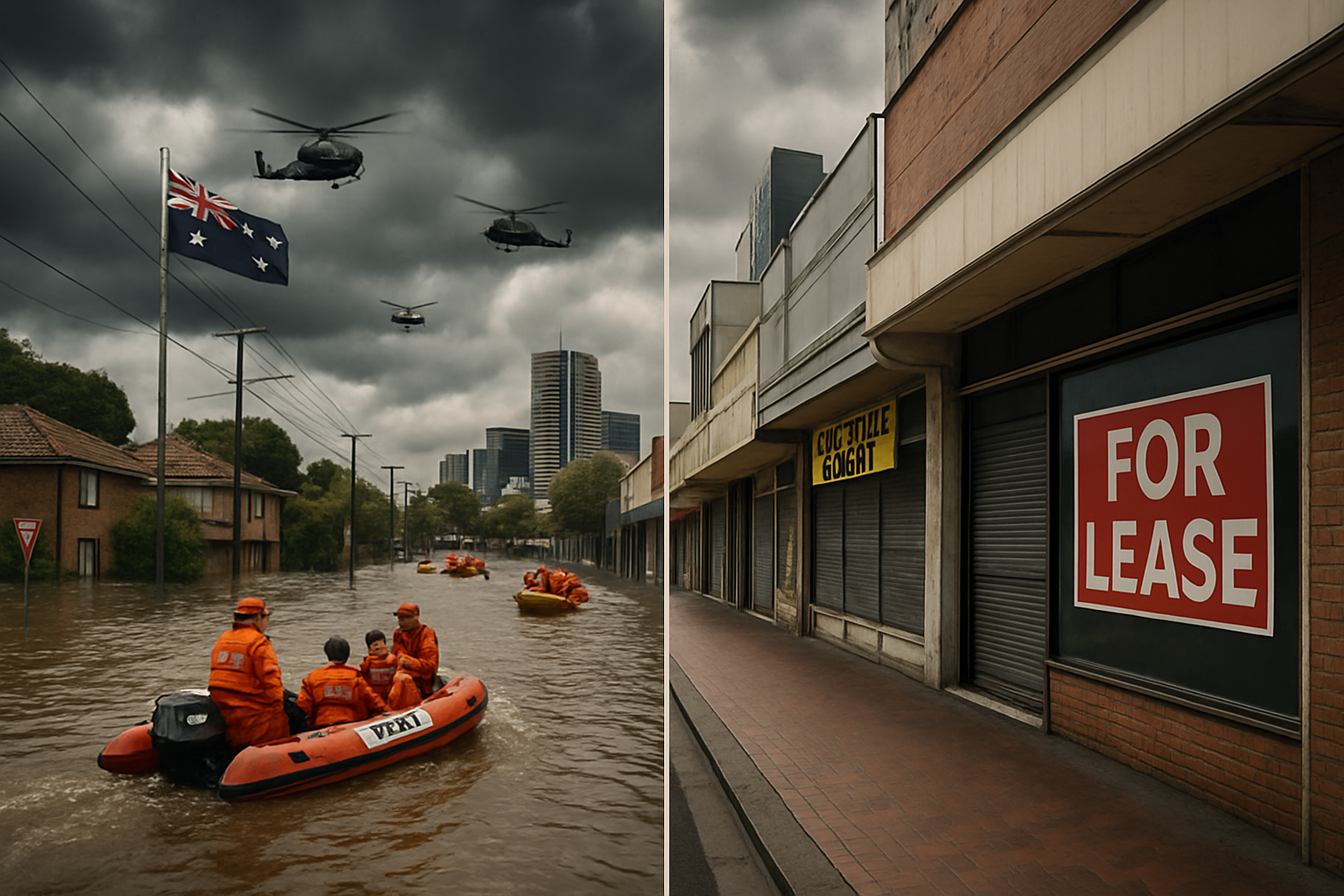
Australia faces a convergence of economic and natural disasters as iconic retailer Barbeques Galore collapsed into receivership while emergency services conducted multiple rescue operations across flood-hit Alice Springs and Tasmania's rugged wilderness.
The retail collapse and natural disasters underscore Australia's vulnerability to both economic pressures and extreme weather events, creating a challenging environment for businesses and communities alike.
Barbeques Galore Receivership Threatens 500 Jobs
Barbeques Galore, one of Australia's most recognizable retail brands, has collapsed into voluntary administration due to severe cashflow issues, putting approximately 500 jobs at immediate risk. The company announced that receivers Quentin Olde, Luke Pittorino and Liam Healey of Ankura have been appointed to either restructure or sell the business.
The collapse represents another significant blow to Australia's retail sector, which has faced mounting pressures from changing consumer habits, increased competition from online retailers, and broader economic uncertainties. The company's receivership affects hundreds of families directly dependent on the business for their livelihoods.
"The receivers are seeking to either restructure or sell the business as they work to find the best possible outcome for all stakeholders."
— Ankura Receivers Statement
This retail collapse comes amid broader concerns about the sustainability of traditional Australian retail businesses, particularly those specializing in lifestyle and outdoor products. The company's financial difficulties reflect the challenging economic environment facing many established Australian retailers.
Alice Springs Flash Flooding Triggers Emergency Rescues
While business struggles unfold, Northern Territory emergency services conducted multiple rescue operations in Alice Springs following flash flooding that cut off residents after heavy overnight rainfall. The deluge severed several roads and low-level causeways, leaving residents unable to reach work or school.
Northern Territory Police, Fire and Emergency Services initially issued emergency warnings for flooding around the Todd River early Thursday morning, later downgrading to watch and act warnings as conditions stabilized. The rescue operations highlight Australia's ongoing vulnerability to extreme weather events.
The Todd River flooding represents a recurring challenge for Alice Springs, where rapid water level changes can transform normally dry riverbeds into dangerous torrents within hours. Emergency services deployed specialized water rescue teams to evacuate stranded residents from flood-prone areas.
Tasmania Wilderness Survival and Rescue
In Tasmania, emergency services successfully located and rescued Corey Chugg, 32, who survived almost four days without food, water, or supplies in rugged bushland at Mt Barrow, northeast of Launceston. Chugg became separated from a friend on Sunday night and remained missing until rescue teams located him.
The rescue operation required helicopter deployment to winch Chugg to safety from the remote terrain. Police noted that despite the harsh conditions, Chugg was able to "keep himself busy" during the ordeal, demonstrating remarkable resilience in challenging circumstances.
The Mt Barrow rescue highlights both the risks faced by outdoor enthusiasts in Tasmania's wilderness areas and the capabilities of emergency services in conducting complex search and rescue operations in difficult terrain.
Economic and Environmental Pressures Converge
The simultaneous occurrence of retail business failures and natural disaster responses illustrates the complex challenges facing Australia. While businesses struggle with economic pressures, emergency services must maintain readiness to respond to weather-related emergencies across the continent's diverse regions.
The retail sector's difficulties, exemplified by Barbeques Galore's collapse, reflect broader economic uncertainties affecting consumer confidence and spending patterns. Meanwhile, the flood and wilderness rescue operations demonstrate Australia's ongoing exposure to natural hazards requiring significant emergency response resources.
Emergency Services Under Pressure
Australian emergency services continue managing multiple concurrent challenges across different states and territories. From flood rescues in Alice Springs to wilderness recoveries in Tasmania, the diverse nature of emergency responses required highlights the breadth of natural hazards facing the continent.
The coordination of emergency responses across such vast distances and varied terrain represents a significant logistical challenge for Australian authorities. Each incident requires specialized equipment, trained personnel, and careful coordination to ensure successful outcomes.
Emergency management authorities emphasize the importance of community preparedness and awareness of local hazards, whether flooding in central Australia or wilderness risks in Tasmania's mountainous regions.
Looking Forward: Resilience and Recovery
The combination of business failures and natural disasters underscores the need for enhanced resilience across both economic and emergency management sectors. For businesses like Barbeques Galore, the challenge lies in adapting to changing market conditions while maintaining employment and community connections.
Meanwhile, emergency services continue refining response capabilities to address Australia's wide range of natural hazards. The successful rescue operations in both Alice Springs and Tasmania demonstrate the effectiveness of coordinated emergency response systems, even as they face increasing demands from extreme weather events.
As Australia navigates these dual challenges of economic uncertainty and natural disaster risks, the focus remains on building resilient communities capable of withstanding both market pressures and environmental hazards. The coming months will prove crucial in determining how effectively the nation can address these interconnected challenges.