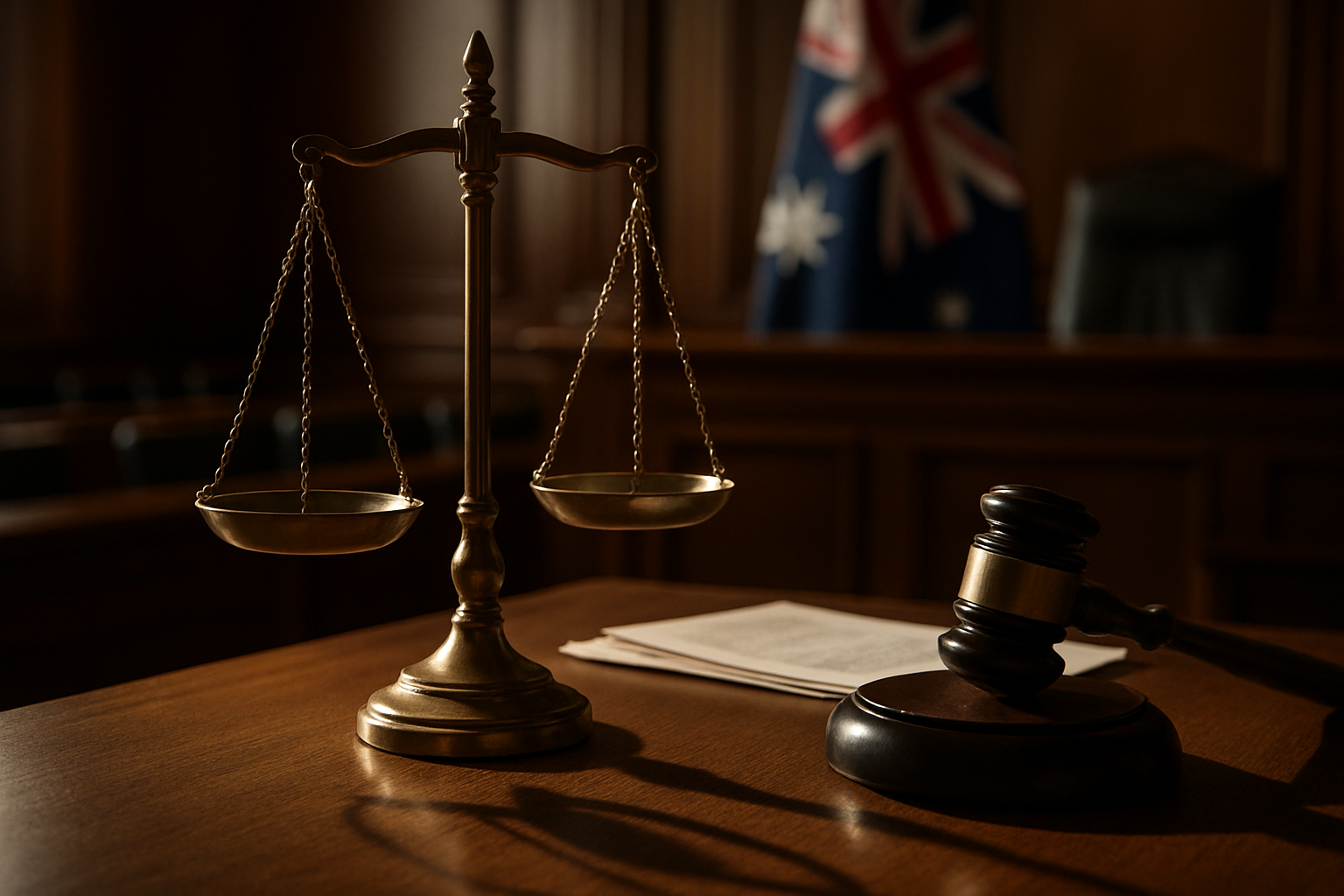
Australia's justice system is grappling with a complex array of criminal cases and legal proceedings in February 2026, ranging from severe animal cruelty convictions to rising concerns about hate crimes and workplace discrimination across multiple states.
The diverse nature of these cases reflects broader societal tensions and highlights systemic challenges within Australia's legal framework. From a business owner jailed for animal cruelty in New South Wales to investigations into antisemitic and Islamophobic incidents, the country's courts are addressing some of the most serious criminal and civil rights violations in recent memory.
Unprecedented Animal Cruelty Conviction
In one of the most shocking cases, Michael Anthony Holmes, 61, was sentenced to 15 months imprisonment with a non-parole period of eight months at Queanbeyan Local Court. Holmes pleaded guilty to aggravated animal cruelty after tying a ligature around a kangaroo's neck and dragging it along a road, causing severe deformities to the animal.
The case has drawn significant attention due to Holmes' complete lack of remorse and the extreme nature of the cruelty inflicted. The unremorseful business owner was handcuffed and escorted into custody immediately following sentencing, highlighting the court's determination to send a strong message about animal welfare protection.
"This case represents one of the most serious examples of animal cruelty we have seen, made worse by the defendant's complete lack of remorse for his actions."
— Court spokesperson, Queanbeyan Local Court
Workplace Misconduct and Nazi Symbolism
In New South Wales, a train driver's dismissal has been upheld after he was found performing Nazi salutes at passing trains. The employee claimed he was making "friendly and helpful" gestures, but the Fair Work Commission rejected his appeal to overturn the dismissal.
The case underscores growing concerns about extremist symbols and behaviors in Australian workplaces. Transport authorities have emphasized zero tolerance for such conduct, particularly given the public-facing nature of the role and the potential impact on community confidence in public services.
Rising Religious and Ethnic Tensions
February 2026 has witnessed a disturbing escalation in religiously motivated incidents across Australia. Victorian police are investigating an alleged antisemitic assault at a scouts event in regional Victoria, where a teenager reported being verbally abused and physically attacked for wearing a kippah and Israeli flag.
The incident has occurred against a backdrop of heightened security concerns for Australian Jewish communities, following previous attacks including the devastating December 14, 2025 Bondi Beach Hanukkah festival attack that claimed 15 lives, and the February 21, 2026 Brisbane Synagogue ramming attack.
Islamophobia Concerns During Ramadan
Simultaneously, Muslim Australians are expressing fears about rising Islamophobia, particularly as the holy month of Ramadan begins. Community leaders report increased concerns following recent threats against one of Australia's largest mosques and inflammatory comments from political figures.
The timing of these concerns is particularly sensitive, as the Muslim community prepares for one of its most important religious observances. Islamic community organizations are working with law enforcement agencies to ensure adequate security measures are in place during this period.
Discrimination Legal Challenges
Adding to the complex legal landscape, a Victorian-based lesbian group is seeking an exemption to the Sex Discrimination Act to legally discriminate against transgender women at public events. The case represents a significant challenge to anti-discrimination law and highlights ongoing tensions within LGBTQ+ communities regarding inclusion and rights.
The Federal Court application seeks to establish legal precedent for single-sex events, raising important questions about balancing competing rights and the interpretation of discrimination legislation in contemporary Australia.
International Context and Comparisons
These developments occur within a broader international context of rising hate crimes and discrimination. Previous memory records indicate that Australia has been dealing with escalating antisemitic incidents, including sophisticated vehicle ramming attacks on religious institutions, while simultaneously facing challenges related to various forms of discrimination and workplace misconduct.
The Brisbane Synagogue attack in February 2026 involved a 32-year-old Sunnybank man who used a Toyota Hilux to ram the gates of a synagogue on Margaret Street. While Queensland Police described it as a "targeted attack," they notably did not classify it as terrorism, citing "other factors" behind the incident.
Warning for Australians Abroad
Adding to the complex security environment, Australian authorities have issued warnings for citizens in Mexico following the killing of a powerful drug kingpin by security forces, demonstrating how international criminal activities can impact Australian citizens traveling abroad.
Judicial System Under Pressure
The diversity and severity of these cases highlight significant pressure on Australia's judicial system. Courts are being required to address complex constitutional questions, workplace rights, religious freedom, animal welfare, and public safety simultaneously.
Legal experts note that these cases reflect broader societal tensions that have been building over several years. The justice system's response to these challenges will likely establish important precedents for how Australia addresses hate crimes, discrimination, and serious criminal offenses in the future.
Law Enforcement Response
Australian law enforcement agencies are implementing enhanced protocols to address the rising tide of hate crimes and serious criminal activities. Police forces across multiple states are coordinating efforts to ensure adequate protection for vulnerable communities while maintaining public safety.
The Victoria Police investigation into the scouts event assault represents part of a broader commitment to take hate crimes seriously, with specialized units being deployed to investigate religiously and ethnically motivated incidents.
Community Impact and Resilience
Despite these challenges, Australian communities are demonstrating remarkable resilience and solidarity. Interfaith groups are organizing support networks, civil rights organizations are providing legal assistance, and community leaders are working to bridge divides and promote understanding.
The response to these incidents will likely shape Australia's approach to combating discrimination and hate crimes for years to come. Success in addressing these challenges will depend on sustained cooperation between law enforcement, the judicial system, and community organizations.
Looking Forward
As these legal proceedings continue throughout February and beyond, they will serve as crucial tests of Australia's commitment to equality, justice, and the rule of law. The outcomes will have significant implications for community relations, legal precedents, and the country's reputation as a multicultural democracy.
The cases highlight the need for continued vigilance against all forms of discrimination and hate, while ensuring that Australia's legal system remains equipped to address the complex challenges of the 21st century. The justice system's handling of these diverse and serious cases will ultimately determine whether Australia can maintain its commitment to being a fair and inclusive society for all its citizens.