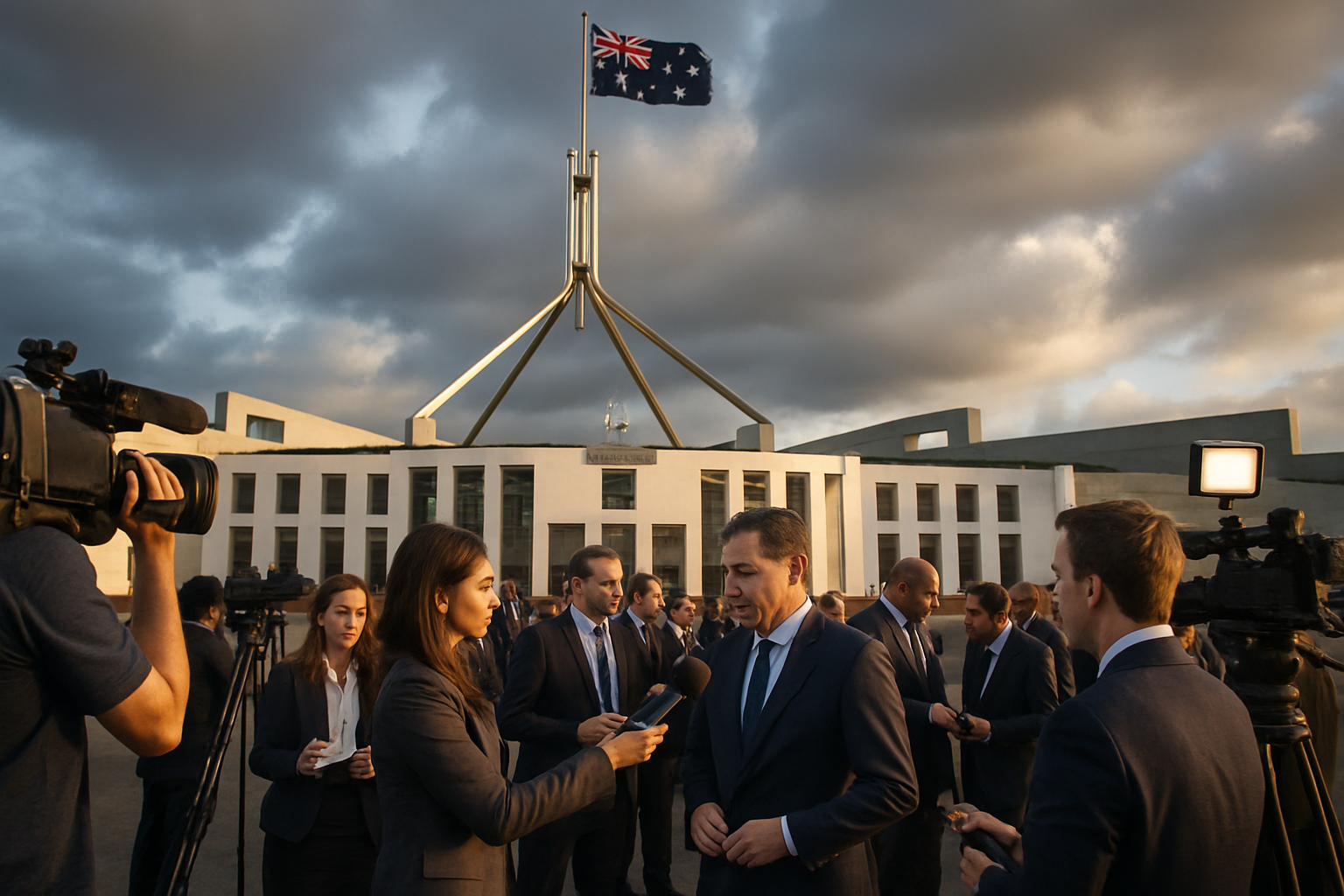
Australia's political landscape intensified today as the Coalition launched sharp criticism of Labor's alleged secrecy surrounding fuel supply arrangements to regional areas, while the federal government simultaneously pursued real wage increases for millions of workers despite mounting inflation concerns.
As question time resumed in the House of Representatives on March 26, 2026, Opposition Leader Angus Taylor led Coalition members in demanding greater transparency from the Labor government regarding its fuel supply strategies for regional and rural Australia. The Coalition's attack comes amid growing concerns about fuel access and pricing across remote areas, where supply chain vulnerabilities have become increasingly apparent.
Fuel Supply Transparency Under Fire
The Coalition's criticism centers on what they characterize as insufficient disclosure about how the government plans to ensure reliable fuel deliveries to regional communities, particularly as global energy markets remain volatile. This challenge comes at a time when Australia has been grappling with fuel supply concerns stemming from international disruptions, including ongoing tensions in key oil-producing regions.
Recent memory from Planet News archives reveals that Australia has faced significant fuel supply pressures throughout 2026. In March, NSW Energy Minister Penny Sharpe was forced to chair crisis talks in Sydney with transport, agriculture, mining, and consumer groups as Queensland petrol stations ran completely dry. The crisis saw regional areas like Robinvale and Texas township depleted of supplies, with ACCC monitoring as prices surged past $2.50 per liter.
The Coalition's demands for transparency reflect broader concerns about Australia's energy security infrastructure and the government's preparedness for future supply disruptions. Opposition members argue that regional communities deserve clear information about contingency plans and supply arrangements that directly affect their economic viability and daily operations.
Labor's Real Wage Push Amid Economic Uncertainty
Parallel to the fuel supply debate, the federal government has submitted its annual request to the Fair Work Commission seeking real wage increases for millions of Australian workers. However, the government's submission stops short of matching demands from the country's biggest unions, reflecting a cautious approach to wage policy amid persistent inflation concerns.
The wage increase push comes as Australia continues to navigate complex economic pressures. Historical context from Planet News coverage shows that the country has been dealing with cost-of-living pressures throughout 2026, with fuel price volatility being just one component of broader inflationary trends affecting household budgets nationwide.
Labor's approach to wage policy represents a delicate balancing act between supporting workers' purchasing power and maintaining economic stability. The government's Fair Work Commission submission aims to deliver meaningful wage improvements while avoiding measures that could exacerbate inflation or undermine business confidence.
Regional Economic Vulnerabilities Exposed
The Coalition's focus on fuel supply transparency highlights deeper structural vulnerabilities in Australia's regional economy. Throughout 2026, remote and rural communities have been disproportionately affected by supply chain disruptions, with limited alternative suppliers and longer transportation distances making these areas particularly vulnerable to fuel shortages.
Previous reporting has documented how major fuel suppliers have favored bulk distributors over independent retailers, creating severe shortages in rural areas. This pattern has left regional businesses and residents facing both supply uncertainty and price volatility, with some areas experiencing fuel prices approaching $3 per liter during peak supply disruptions.
The government's response to these challenges has included monitoring by the Australian Competition and Consumer Commission (ACCC) for price gouging, but the Coalition argues that more proactive disclosure about supply arrangements is necessary to provide certainty for regional communities.
Economic Policy Coordination Challenges
The dual focus on fuel supply concerns and wage policy reflects broader challenges facing Australian policymakers as they navigate competing economic pressures. On one hand, workers are experiencing cost-of-living pressures that justify real wage increases. On the other hand, businesses are facing input cost volatility, particularly for energy and transportation, that complicates their ability to absorb higher labor costs.
The government's cautious approach to Fair Work Commission submissions, stopping short of union demands, suggests recognition of these competing pressures. Similarly, the Coalition's emphasis on fuel supply transparency reflects understanding that energy security is fundamental to economic stability, particularly for regional communities dependent on road transport for essential goods and services.
Political Implications and Parliamentary Dynamics
The renewed focus on these economic policy areas comes as Australia's political landscape continues to evolve. The Coalition, under Angus Taylor's leadership since February 2026, has been seeking to establish credible alternative policies on key economic issues while holding the government accountable for its policy implementation.
Labor's response strategy appears focused on demonstrating responsible economic management through measured approaches to both fuel supply coordination and wage policy. The government faces the challenge of appearing responsive to legitimate concerns about transparency while avoiding commitments that could undermine policy flexibility or create unrealistic expectations.
The parliamentary exchanges on these issues reflect broader themes that are likely to shape Australia's political debate as the country approaches future electoral cycles. Economic security, regional equity, and cost-of-living pressures remain central concerns for voters across urban and rural constituencies.
Global Context and Energy Security
Australia's fuel supply challenges cannot be separated from global energy market disruptions that have affected multiple countries throughout 2026. International conflicts affecting key shipping routes and oil production regions have created supply chain vulnerabilities that have rippled through to domestic markets.
The government's approach to fuel supply coordination must account for these international factors while maintaining strategic reserves and alternative supply arrangements. The Coalition's criticism suggests that more transparent communication about these preparations could strengthen public confidence and provide greater certainty for business planning.
As global energy markets remain volatile, Australia's ability to maintain reliable fuel supplies to all regions will continue to be a critical test of the government's economic management capabilities and strategic planning effectiveness.
Looking Forward: Policy Challenges and Solutions
The ongoing debate over fuel supply transparency and real wage policies highlights key policy challenges that will require sustained attention from Australian policymakers. Regional communities need reliable fuel access and clear information about supply arrangements. Workers need wage growth that keeps pace with cost-of-living pressures. Businesses need predictable input costs and regulatory environments that support sustainable operations.
Addressing these challenges will require coordination across multiple policy areas, including energy security, industrial relations, regional development, and economic planning. The government's success in managing these competing priorities will significantly influence its electoral prospects and Australia's economic resilience.
As Parliament continues to debate these issues, the focus will likely remain on finding solutions that balance transparency with strategic flexibility, worker welfare with business sustainability, and regional equity with national economic efficiency. The outcomes of these debates will shape Australia's approach to economic policy coordination in an increasingly complex global environment.