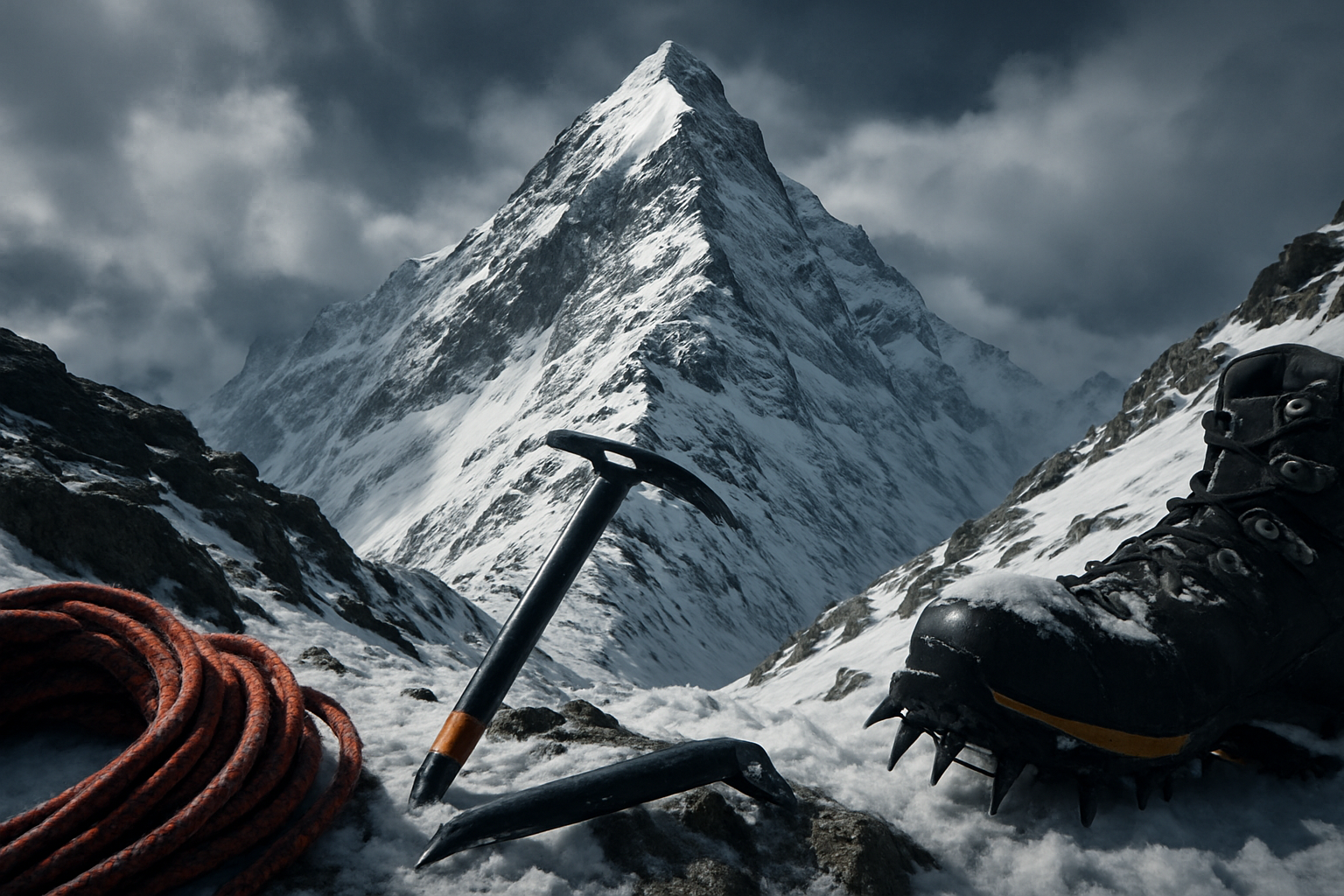
An Austrian courtroom drama has begun as a 37-year-old mountaineer faces charges of gross negligent homicide after his 33-year-old girlfriend froze to death on Austria's highest peak, Großglockner, in January 2025.
The trial, which commenced February 19, 2026, at Innsbruck Court, centers on a tragic mountaineering expedition that ended with the death of a young woman just meters from Austria's 3,798-meter summit. The prosecution alleges that the defendant, described as the "responsible tour leader," abandoned his girlfriend in life-threatening conditions, leading to her death from hypothermia.
The Fatal Expedition
According to court documents and media reports, the couple embarked on what was intended to be a challenging but achievable winter ascent of Großglockner in January 2025. The mountain, located on the border between Carinthia and Tyrol, is Austria's highest peak and presents significant challenges even for experienced climbers, particularly during winter months when conditions can deteriorate rapidly.
The tragedy unfolded when the 33-year-old woman became unable to continue the ascent near the summit. Instead of abandoning the climb or seeking immediate rescue, prosecutors allege the man left his partner on the mountain, where she subsequently died from exposure to extreme cold.
The victim's mother has publicly defended the accused, stating that her daughter's boyfriend "doesn't deserve to be blamed" for the tragedy. This family support adds complexity to a case that has divided public opinion about responsibility and accountability in extreme sports.
Legal Proceedings and Charges
The defendant faces charges of gross negligent homicide (grob fahrlässige Tötung), which carries significant penalties under Austrian criminal law. The prosecution's case rests on the allegation that as the more experienced climber and designated tour leader, he had a duty of care that he fatally breached.
Austrian media reports describe the case as having potential "signal effect" for the mountaineering community, potentially establishing new precedents for responsibility and liability in extreme outdoor activities. The trial is being closely watched by alpine sports organizations and legal experts across Europe.
The proceedings are taking place amid heightened awareness of mountain safety following a winter season that has already claimed numerous lives across the European Alps. Recent avalanche incidents have killed more than 60 people this winter season alone, including multiple fatalities in France, Italy, and Austria.
Context of Alpine Dangers
The Großglockner trial occurs against a backdrop of exceptional alpine conditions during what meteorologists describe as one of Europe's harshest winters in decades. Temperatures have reached -30°C in some regions, creating both ideal snow conditions and treacherous terrain for off-piste activities.
Just this week, Dutch tourists were among those killed in separate avalanche incidents in Tirol, highlighting the persistent dangers facing winter sports enthusiasts. The Milano-Cortina 2026 Winter Olympics have proceeded successfully despite these challenging conditions, but the contrast between controlled Olympic environments and backcountry risks remains stark.
Mountain rescue services across Austria report being stretched to capacity this winter, responding to an unprecedented number of incidents involving both experienced and novice climbers. The combination of social media promotion of extreme sports and challenging weather conditions has created a perfect storm of risk factors.
Legal and Ethical Questions
The case raises fundamental questions about the extent of legal responsibility between climbing partners, particularly in life-threatening situations. Alpine law traditionally recognizes the inherent risks of mountaineering, but prosecutors argue that certain duties of care cannot be abandoned even in extreme circumstances.
Legal experts suggest the trial could establish important precedents for similar cases across Europe, where the growing popularity of extreme sports has led to increased litigation over accidents and fatalities. The defendant's designation as "tour leader" appears central to the prosecution's case, implying greater responsibility than would be expected of an equal climbing partner.
The defense is likely to argue that mountaineering involves inherent risks that all participants accept, and that harsh conditions can force impossible choices where self-preservation becomes paramount. This tension between legal duty and survival instinct lies at the heart of the case.
Impact on Mountaineering Community
The Austrian mountaineering community is watching the trial closely, with many expressing concern about the potential implications for future climbing partnerships and guide responsibilities. Professional mountain guides and climbing instructors worry that expanded liability could fundamentally change how they approach their work.
Industry representatives argue that excessive legal liability could discourage experienced climbers from sharing their expertise with others, potentially making mountain sports more dangerous overall. Others contend that greater accountability is necessary as extreme sports become more accessible to inexperienced participants.
The case also highlights broader questions about the commercialization and social media promotion of extreme sports, which critics argue has led to inadequately prepared individuals attempting dangerous activities beyond their capabilities.
Broader Alpine Safety Crisis
The Großglockner trial coincides with a broader crisis of alpine safety during the 2025-2026 winter season. Emergency services across the European Alps have reported record numbers of rescues and fatalities, straining resources and raising questions about risk management and education.
Recent incidents include a California avalanche that killed eight backcountry skiers, the deadliest U.S. avalanche disaster in 45 years, and multiple European incidents that have claimed dozens of lives. The common thread appears to be experienced participants encountering conditions that exceeded even expert-level preparation and equipment.
Climate volatility, with January 2026 marking the 18th consecutive month of temperatures exceeding 1.5°C above pre-industrial levels, has created unpredictable mountain conditions that challenge traditional safety protocols and risk assessment methods.
International Implications
The Austrian trial is being observed by legal and mountaineering communities across Europe and North America, where similar liability questions are emerging. Different countries have varying approaches to outdoor activity liability, but the Großglockner case could influence legal frameworks beyond Austria's borders.
Insurance companies that cover adventure sports are also closely monitoring the proceedings, as the outcome could affect how policies are structured and priced. The balance between encouraging outdoor recreation and managing liability risks remains a challenging issue for the industry.
Mountain rescue organizations emphasize that regardless of legal outcomes, the fundamental principles of mountaineering safety—proper training, appropriate equipment, conservative decision-making, and mutual support—remain unchanged and essential for preventing tragedies.
Looking Forward
As the trial continues, it will likely explore complex questions about risk assumption, duty of care, and the limits of legal responsibility in extreme environments. The outcome may establish new standards for mountaineering partnerships and could influence how courts across Europe approach similar cases in the future.
The victim's death represents not just a personal tragedy but a case study in the challenges facing modern adventure sports. As these activities become more popular and accessible, society continues to grapple with balancing individual freedom and responsibility with legal accountability and public safety.
The trial is expected to continue for several weeks, with expert testimony from mountaineering professionals, medical experts, and legal specialists. Whatever the verdict, the case has already succeeded in bringing important questions about mountain safety and legal responsibility to public attention at a critical time for alpine sports safety.