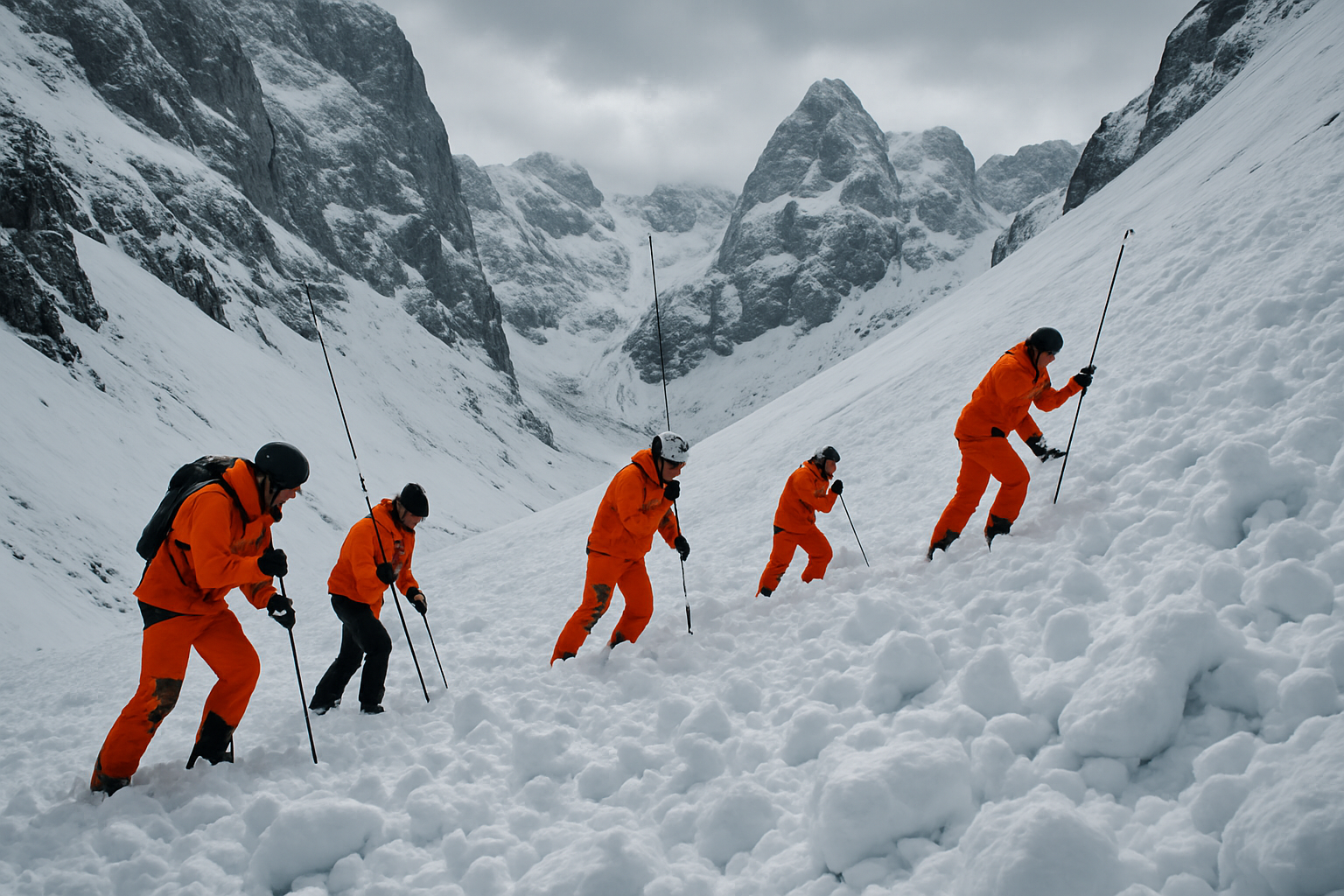
At least three winter sports enthusiasts died in separate avalanche incidents across Austria's Tirol region on Wednesday February 18, 2026, as the European Alps continue to experience the deadliest winter avalanche season in decades.
The fatalities occurred in three distinct locations across Tirol, highlighting the extreme avalanche conditions gripping the Austrian Alps during what meteorologists describe as Europe's harshest winter in generations. A 71-year-old Dutch tourist was killed in Fiss in the Landeck district when a large slab avalanche struck off-piste skiing terrain. In the Navis Valley, a 44-year-old German ski mountaineer lost his life in a separate avalanche incident. Meanwhile, in Kirchberg in the Kitzbühel district, a 20-year-old Austrian skier was buried by an avalanche and required emergency resuscitation.
Part of Devastating European Crisis
These latest Austrian deaths contribute to what rescue officials are calling the most catastrophic European avalanche season in recent memory. According to multiple European sources, the continent has recorded over 60 avalanche-related deaths this winter season, with France alone accounting for 25 fatalities following tragedies including the Val d'Isère incident that claimed three lives - two British nationals and one French citizen.
The Austrian meteorological service has issued avalanche warnings at level 4 out of 5 for regions above the tree line in Tirol and Vorarlberg, affecting popular skiing areas including the Allgäu Alps, Lechtal Alps, Verwall group, and Silvretta range. Recent weekend snowfall has significantly worsened conditions across these mountain ranges.
Extreme Weather Conditions
The avalanche crisis unfolds against the backdrop of Europe experiencing temperatures as low as -30°C in some regions, described by meteorologists as the harshest winter conditions in decades. This extreme cold has created both ideal natural snow conditions for winter sports and treacherous off-piste conditions that have proven deadly for backcountry enthusiasts.
"The combination of heavy fresh snowfall on existing unstable layers has created extremely dangerous avalanche conditions across the Austrian Alps,"
— Emergency Services Spokesperson
The dangerous conditions have been exacerbated by a succession of Atlantic storm systems, including storms named Leonardo, Marta, and Nils, which have created layered, unstable snow conditions across the Alpine regions. These weather patterns have resulted in frequent avalanche incidents requiring constant emergency response across multiple countries.
Global Context of Alpine Dangers
The Austrian incidents coincide with avalanche tragedies occurring simultaneously across different continents. In California, the Castle Peak avalanche near Lake Tahoe has resulted in eight confirmed deaths with one person still missing, marking the deadliest California avalanche in over four decades. The global nature of these incidents highlights how extreme winter conditions are creating dangerous backcountry situations worldwide.
Austrian emergency services join their counterparts across the Alps in managing an unprecedented frequency of mountain rescue operations. The strain on rescue resources has become evident as teams respond to multiple incidents daily across the region's vast mountain terrain.
International Cooperation and Response
The crisis has prompted enhanced international cooperation between Alpine nations including Austria, Italy, France, and Switzerland for mountain safety coordination. Emergency response protocols have been strengthened to manage the increased incident frequency, with specialized avalanche rescue teams working across borders to share expertise and resources.
Tourism authorities across Austria face the challenging balance of maintaining safety restrictions while supporting the economically vital winter sports industry. Many regions have implemented enhanced safety protocols and are urging winter sports enthusiasts to avoid off-piste skiing without proper equipment, professional guides, and careful monitoring of avalanche bulletins.
Safety Experts Issue Urgent Warnings
Mountain safety experts emphasize that while proper avalanche equipment, professional guidance, and bulletin monitoring are essential, the inherent risks of off-piste skiing cannot be completely eliminated, particularly during periods of extreme weather instability.
The incidents serve as stark reminders of the unforgiving nature of Alpine terrain during severe winter conditions. Even experienced backcountry enthusiasts with proper safety equipment have fallen victim to the unpredictable and powerful forces of avalanche-prone slopes.
Ongoing Dangerous Conditions
Weather forecasters predict that dangerous avalanche conditions are expected to persist throughout the remainder of the winter season. The combination of continued snowfall, temperature fluctuations, and wind loading continues to create unstable snow layers across Austrian mountain ranges.
The three deaths in Tirol add to Austria's growing toll this winter season, as the country joins neighboring Alpine nations in confronting an unprecedented winter crisis that has challenged traditional mountain safety protocols and emergency response capabilities.
As rescue operations continue and investigations into the specific circumstances of each incident proceed, Austrian authorities maintain their highest-level avalanche warnings, urging extreme caution for all winter sports activities in the affected regions. The tragedies underscore the deadly serious nature of backcountry winter recreation during one of Europe's most dangerous avalanche seasons in recent history.