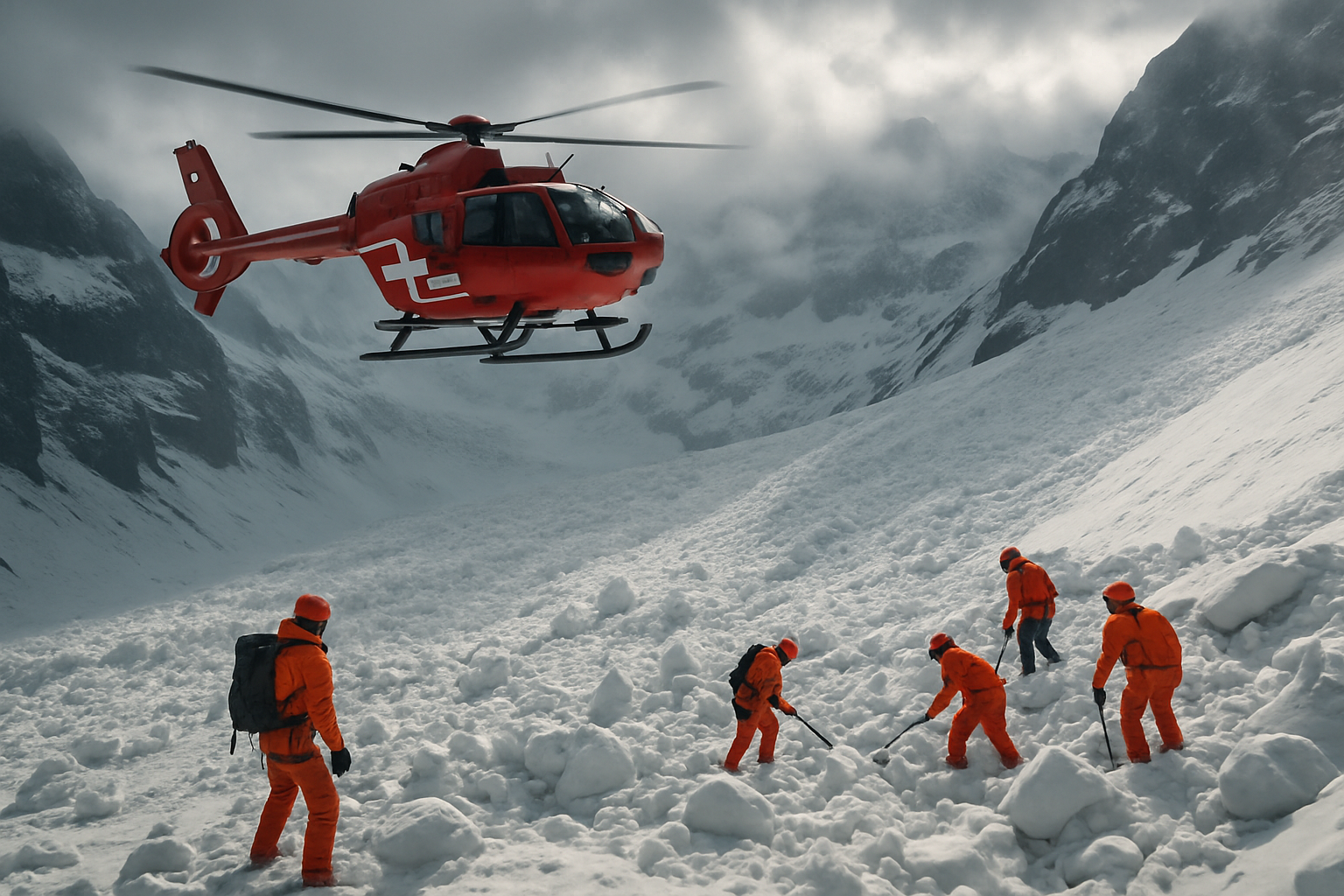
Multiple deadly avalanches across Austria over the weekend have claimed seven lives, according to international reports, adding to what experts are calling the most devastating Alpine winter in decades with over 60 deaths recorded across European mountain regions this season.
The latest fatalities occurred amid extremely dangerous conditions across Austria's mountainous regions, with avalanche warning levels maintained at 4 and 5 - the highest categories - throughout much of Tirol and Vorarlberg provinces. Federal emergency services have been deployed to support local avalanche commissions as rescue operations continue in treacherous terrain.
According to German and Danish news sources, the weekend incidents brought Austria's February avalanche death toll to at least seven people, including multiple German nationals and a 71-year-old Dutch tourist. Norwegian media reports suggest the figure may be even higher, with some sources indicating the death toll has reached seven fatalities in recent days.
International Victims in Alpine Tourism Tragedy
The victims reflect the international nature of Austria's winter tourism industry, with casualties including German nationals from Baden-Württemberg and elderly tourists from the Netherlands. The incidents occurred across multiple locations, with some avalanches striking near popular ski resorts and others affecting backcountry areas where skiers venture beyond marked pistes.
Emergency services describe conditions as "extremely dangerous," with federal forces deployed to support local rescue operations. The challenging weather has complicated recovery efforts, with ongoing avalanche risks preventing access to some areas where victims remain trapped.
One particularly tragic incident involved a Dutch national, aged 71, who was skiing near Fiss in the Landeck district when a slab avalanche struck. The victim was skiing off-piste when caught in the snow slide, highlighting the deadly risks facing winter sports enthusiasts who venture beyond marked runs.
European Alpine Crisis Reaches Critical Point
The Austrian casualties are part of a broader European Alpine crisis that has claimed more than 60 lives this winter season. France alone has recorded 25 avalanche deaths, including a devastating incident at Val d'Isère on February 13 that killed two British nationals and one French citizen.
The crisis reflects what meteorologists describe as Europe's harshest winter in decades, with temperatures plummeting to -30°C in some regions. The extreme conditions have created a paradox: ideal snow conditions for winter sports alongside unprecedented avalanche dangers.
Recent deadly incidents across the Alps include multiple fatalities in Italian mountain regions during the Milano-Cortina Winter Olympics period, highlighting how even world-class venues cannot eliminate the inherent risks of mountain environments.
"This winter season has exposed vulnerabilities in our traditional safety protocols. The frequency and intensity of avalanche incidents is straining emergency response capabilities across the entire Alpine region."
— Alpine Safety Expert, International Mountain Safety Commission
Extreme Weather Creates Perfect Storm
The deadly avalanche conditions have been created by a succession of Atlantic storm systems that struck Europe throughout February 2026. Storms Kristin, Leonardo, Marta, Nils, and Pedro brought heavy snowfall that created unstable layered snow conditions - a recipe for devastating avalanches.
These weather patterns have been linked to broader climate disruptions, with January 2026 marking the 18th consecutive month of global temperatures exceeding 1.5°C above pre-industrial levels. The combination of global warming and regional extreme weather has created unpredictable and dangerous mountain conditions.
Austrian authorities have maintained level 4 and 5 avalanche warnings across much of the Alpine region, affecting popular areas including the Allgäu Alps, Lechtal Alps, Verwall group, and Silvretta range. These warnings indicate "high" to "very high" avalanche danger, with the potential for spontaneous large avalanches.
International Response and Alpine Cooperation
The scale of the crisis has prompted enhanced international cooperation between Austria, Italy, France, and Switzerland for mountain safety operations. Emergency services are sharing specialized equipment, expertise, and personnel to manage the unprecedented demand for rescue operations.
The European Union's Civil Protection Mechanism has been activated to coordinate assistance, with countries like Sweden and Denmark providing €246 million in support - the largest coordinated European weather response on record.
Tourism authorities across the Alps are grappling with the challenge of balancing safety restrictions with the economic needs of mountain communities that depend heavily on winter sports tourism. Many popular ski areas have restricted access to off-piste terrain, but enforcement remains challenging given the vast scope of Alpine terrain.
California Tragedy Highlights Global Pattern
The Austrian deaths coincide with the ongoing search and recovery operation at California's Castle Peak, where eight backcountry skiers were confirmed dead and one remains missing after a massive avalanche struck on February 17. The California incident, involving an experienced guided group, demonstrates that avalanche risks transcend geographic boundaries.
The Castle Peak tragedy ranks among the deadliest US avalanche incidents in 45 years and occurred during the same winter storm systems affecting weather patterns globally. The simultaneous occurrence of major avalanche disasters in both the European Alps and North American mountains underscores the global nature of current extreme weather patterns.
Tourism Industry Under Pressure
Austria's winter tourism industry, which attracts millions of international visitors annually, faces mounting pressure to balance safety with accessibility. The country's mountain resorts are implementing enhanced safety protocols, including more restrictive access to off-piste areas and increased avalanche monitoring.
However, experts emphasize that even the most comprehensive safety measures cannot eliminate the inherent risks of mountain environments. The appeal of pristine powder snow and untouched slopes continues to draw skiers and mountaineers to dangerous terrain, despite clear warnings about conditions.
The economic impact extends beyond immediate tourism losses, with rescue operations straining public resources and mountain communities facing difficult decisions about area closures during peak season.
Looking Ahead: Climate Adaptation Imperative
As recovery efforts continue and the death toll mounts, mountain safety experts warn that current conditions may represent a preview of future winters as climate change creates more volatile weather patterns. The combination of warming temperatures and extreme regional weather events is creating unpredictable avalanche conditions that challenge traditional forecasting methods.
The crisis is prompting calls for enhanced international cooperation in mountain safety research, improved avalanche forecasting technology, and more robust emergency response capabilities designed to handle simultaneous multi-national disasters.
Austrian authorities continue to advise against unnecessary travel to high-risk mountain areas, with additional storm systems developing in the Atlantic that could bring more heavy snowfall and compound existing dangerous conditions. The avalanche warning system remains at its highest levels, with emergency services maintaining maximum alert status across the Alpine region.
The current crisis represents a watershed moment for Alpine safety protocols, forcing a reconsideration of traditional approaches to mountain tourism and emergency response in an era of increasing climate volatility. As the winter season continues, the focus remains on preventing additional tragedies while supporting affected communities and learning from this unprecedented avalanche emergency.