The global automotive industry is undergoing a seismic transformation as electric vehicle adoption accelerates across international markets, with manufacturers increasingly turning to hybrid technologies while navigating complex regulatory landscapes and supply chain challenges that are reshaping the future of mobility.
Recent developments across multiple regions reveal a strategic shift in how automakers are approaching electrification, moving beyond pure electric vehicles to embrace sophisticated hybrid solutions that bridge the gap between traditional combustion engines and full electric powertrains.
Hybrid Technology Takes Center Stage
Kia Motors' launch of the new Carnival "Hybrid" represents a significant milestone in the mainstream adoption of hybrid technology for family vehicles. The South Korean manufacturer's 2026 Carnival hybrid leverages advanced fuel-efficient technology to deliver improved performance while maintaining the practicality that families demand from large vehicles.
This strategic move reflects broader industry trends where manufacturers are recognizing hybrid vehicles as crucial transitional technology. Unlike pure electric vehicles, which face infrastructure and range limitations, hybrid systems offer consumers the environmental benefits of electrification without requiring dramatic changes to driving habits or infrastructure dependence.
"Hybrid technology provides the perfect balance between environmental responsibility and practical functionality for today's families."
— Industry Analysis, Automotive Technology Institute
The Electric Vehicle Family Experience Revolution
European market research reveals that electric vehicles are fundamentally transforming family travel experiences. Studies from Slovakia's automotive sector highlight how EVs provide quieter, more comfortable journeys with superior cabin climate control and reduced vibration compared to traditional combustion engines.
The benefits extend beyond mere comfort. Electric vehicle platforms offer enhanced interior space utilization due to the absence of large engine components, creating more room for passengers and cargo. Advanced driver assistance systems, often standard in electric vehicles, provide additional safety benefits particularly valuable for family transportation.
However, the research also acknowledges persistent challenges. Range anxiety remains a concern for long-distance family trips, and charging infrastructure availability varies significantly between urban and rural areas. These factors continue to influence consumer purchasing decisions, particularly in markets where public charging networks remain underdeveloped.
Regulatory Pressure Intensifies Across Markets
The automotive industry faces unprecedented regulatory pressure as governments worldwide implement stricter emissions standards and begin phasing out traditional combustion engines. European Union initiatives are particularly aggressive, with plans that will fundamentally reshape the automotive landscape over the next decade.
Slovakia's regulatory environment exemplifies the challenges facing traditional diesel and gasoline vehicles. New regulations emerging from Brussels are establishing timelines that will effectively ban the sale of new diesel vehicles within several years, forcing both manufacturers and consumers to accelerate their transition toward electrified alternatives.
Supply Chain Challenges and Strategic Responses
The electric vehicle transition faces significant supply chain constraints that are reshaping industry dynamics. Critical materials essential for battery production, including lithium, cobalt, and rare earth elements, remain concentrated in limited geographic regions, with China controlling approximately 60% of global production and 90% of refining capacity.
Memory chip shortages have created additional challenges, with semiconductor prices increasing sixfold over the past year. These components are crucial for modern vehicle control systems, affecting everything from basic engine management to advanced driver assistance technologies. The shortage is expected to persist until new fabrication facilities come online in 2027.
Automakers are responding through strategic diversification initiatives. Some manufacturers are establishing regional production capabilities to reduce dependency on distant suppliers, while others are forming strategic partnerships to secure access to critical materials and components.
Regional Manufacturing Strategies
The industry is witnessing a significant shift toward regional production strategies. Manufacturers are increasingly establishing electric vehicle production capabilities closer to their primary markets, reducing transportation costs and supply chain vulnerabilities while improving responsiveness to local regulatory requirements and consumer preferences.
This regionalization trend extends beyond final vehicle assembly to include battery production, charging infrastructure development, and component manufacturing. The approach offers multiple benefits including reduced transportation emissions, improved supply chain security, and enhanced ability to customize products for specific regional markets.
Market Adaptation and Consumer Response
Consumer adoption patterns reveal interesting regional variations in electric vehicle acceptance. Urban areas with established charging infrastructure show higher adoption rates, while rural regions continue to favor hybrid solutions that don't require extensive charging infrastructure dependency.
The automotive industry is adapting marketing and product development strategies accordingly. Manufacturers are developing vehicle lineups that include both pure electric and hybrid variants of popular models, allowing consumers to choose electrification levels that match their specific needs and local infrastructure availability.
Price competitiveness has improved significantly, with many electric vehicles now achieving cost parity with comparable gasoline vehicles when total ownership costs including fuel, maintenance, and incentives are considered. However, higher upfront purchase prices remain a barrier for some consumer segments.
Technology Integration and Innovation
Beyond electrification, the automotive industry is experiencing rapid advancement in connected vehicle technologies. Modern electric vehicles serve as platforms for sophisticated digital services, offering over-the-air software updates, advanced infotainment systems, and integration with smart home technologies.
Vehicle-to-grid technology represents a particularly promising development, allowing electric vehicles to serve as mobile energy storage units that can provide power back to electrical grids during peak demand periods. This capability could revolutionize both transportation and energy sectors by creating distributed storage networks that support renewable energy integration.
Charging Infrastructure Development
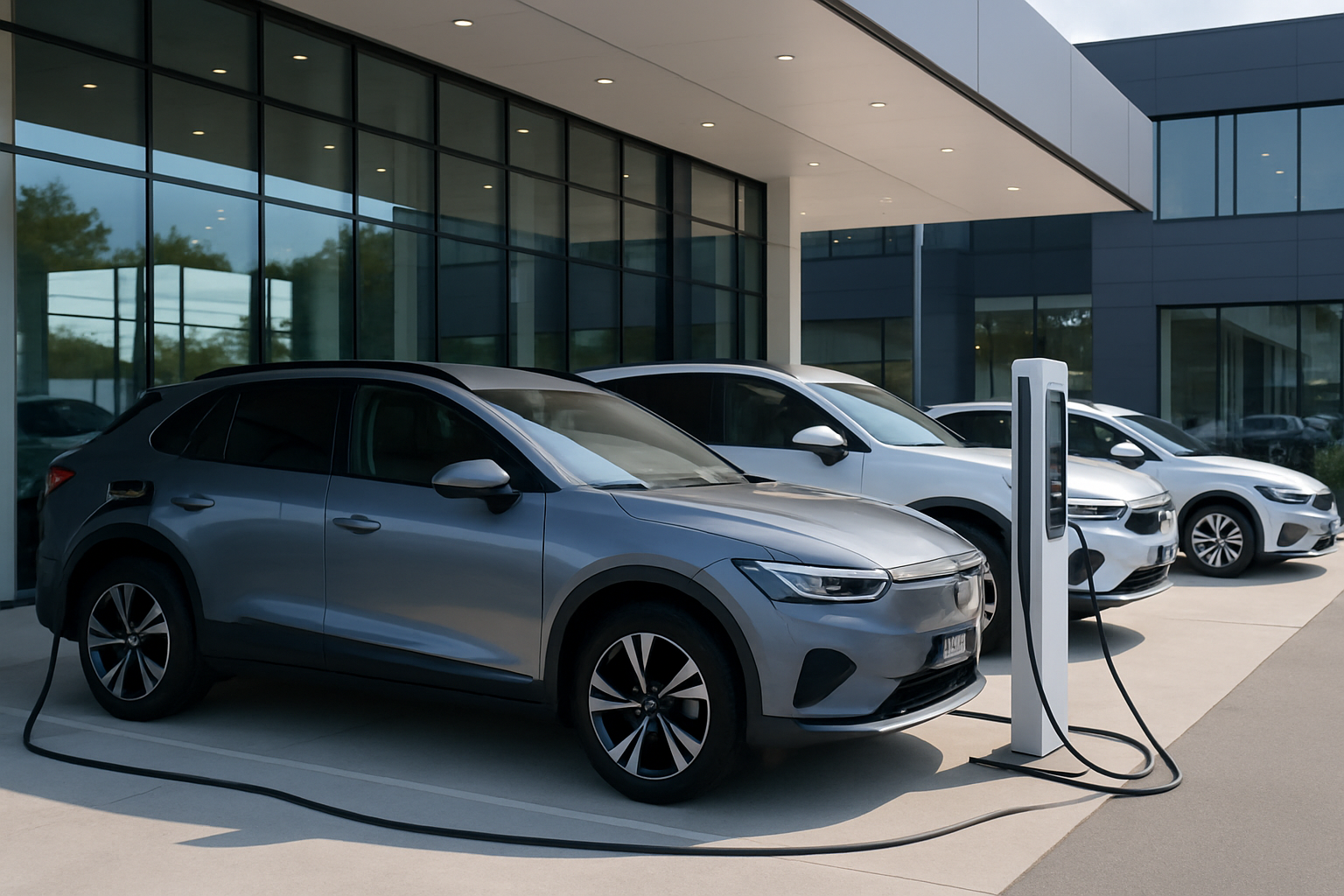
Charging infrastructure expansion remains critical for electric vehicle adoption success. Public-private partnerships are accelerating charging station deployment, with particular focus on high-speed charging corridors that support long-distance travel.
Workplace charging is emerging as a crucial component, particularly important for urban residents who lack home charging options. Retail locations, shopping centers, and commercial facilities are increasingly incorporating charging capabilities as standard amenities.
Industry Outlook and Future Trends
The automotive industry's electric vehicle transformation represents one of the most significant industrial shifts in modern history. Success requires coordination across multiple sectors including energy production, infrastructure development, materials supply, and regulatory frameworks.
Market analysts project continued rapid growth in electric vehicle adoption through the remainder of the decade, driven by improving technology, expanding infrastructure, and increasingly stringent environmental regulations. However, the transition timeline varies significantly by region and market segment.
Commercial vehicle electrification is expected to accelerate rapidly, driven by fleet operators' focus on total cost of ownership and regulatory pressure in urban areas. Personal vehicle adoption will likely continue following current patterns, with early adopters in urban areas leading the transition while rural markets maintain preference for hybrid solutions.
"The automotive industry is at an inflection point where electric vehicles are transitioning from niche products to mainstream solutions that will define transportation for decades to come."
— Global Automotive Research Council
The fundamental transformation of the automotive industry toward electrification represents both unprecedented challenges and enormous opportunities. Manufacturers, governments, and consumers must work together to ensure this transition creates sustainable, practical transportation solutions that meet diverse global needs while advancing environmental objectives. The success of this transformation will largely determine the trajectory of global transportation and environmental sustainability for generations to come.