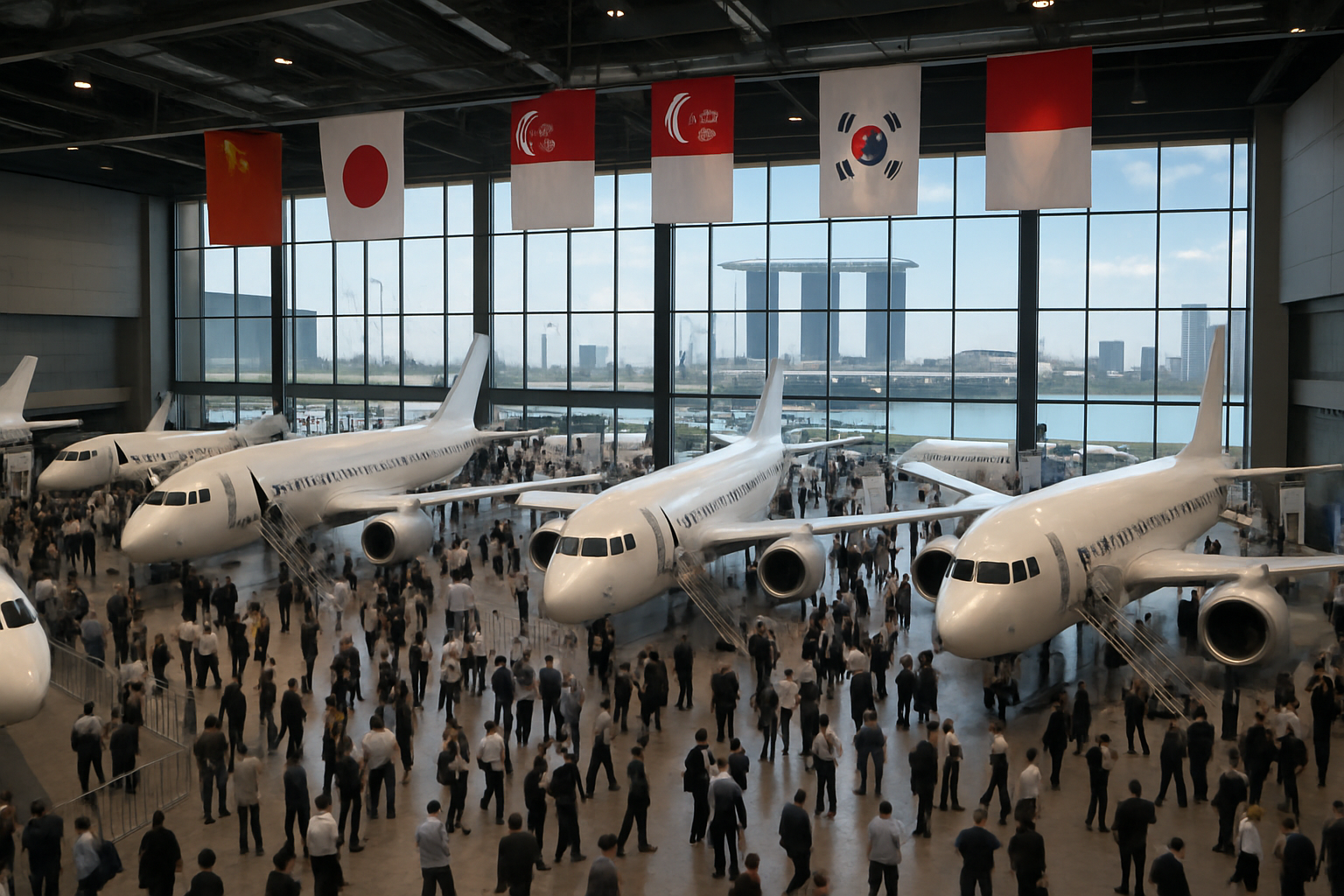
Asia's aviation sector is experiencing divergent trends as the region's largest industry exhibition opened in Singapore this week, demonstrating ambitious growth goals while Thailand announces substantial airport fee increases that could reshape travel economics across Southeast Asia.
Singapore positioned itself at the center of global aviation discourse on Tuesday as it hosted Asia's largest aviation industry exhibition, bringing together industry leaders to showcase innovations in both civil and defense aviation sectors. The exhibition highlights the region's continued confidence in aviation growth despite ongoing global challenges facing the industry.
Singapore Leads Regional Aviation Innovation
The Singapore aviation showcase represents more than just an industry gathering—it underscores the nation's strategic position as Southeast Asia's aviation hub. The exhibition comes at a crucial time when the region is experiencing unprecedented infrastructure investment, with countries across Asia modernizing their aviation capabilities.
Recent developments have seen Singapore maintaining its leadership role in regional aviation cooperation. Deputy Prime Minister Viliame Gavoka of Fiji participated in Singapore's Changi Aviation Summit from February 1-3, demonstrating the city-state's influence in strengthening island connectivity and regional aviation partnerships.
Thailand's Airport Fee Surge Sparks Regional Concerns
In a stark contrast to the optimistic atmosphere in Singapore, Thailand is preparing to implement substantial airport fee increases that could significantly impact regional travel patterns. Starting May 2026, departure fees at six of Thailand's busiest international airports will rise by more than 50%, marking one of the most significant cost increases in Southeast Asian aviation in recent years.
The fee increases affect major gateways that serve millions of international travelers annually, potentially making Thailand a more expensive destination at a time when the country is working to recover from tourism setbacks. The timing is particularly challenging given recent incidents affecting Thailand's tourism reputation, including vandalism in Koh Phangan and security concerns in Pattaya.
Global Aviation Infrastructure Investment Surge
Despite cost pressures in some markets, the global aviation sector continues to experience unprecedented infrastructure investment. Recent developments across multiple regions demonstrate the industry's commitment to modernization and expansion:
- Malaysia's AirBorneo has ordered eight ATR aircraft (five ATR 72-600s and three ATR 42-600s) to modernize its Rural Air Services fleet, with deliveries scheduled between 2027-2029
- Angola is completing the transfer of airline operations from 4 de Fevereiro Airport in Luanda to the new Dr. António Agostinho Neto Airport, scheduled for March 2026
- China's Civil Aviation Administration announced proposals allowing C919 domestic aircraft to use narrow runways at smaller airports, potentially expanding market access for the domestically-produced aircraft
Regional Aviation Challenges and Opportunities
The aviation sector across Asia-Pacific faces a complex landscape of opportunities and challenges. While Singapore's exhibition showcases technological advancement and regional cooperation, operational realities present ongoing difficulties. Recent incidents have highlighted the sector's vulnerability to various disruptions:
Weather-related cancellations continue to impact operations, with Wellington Airport in New Zealand experiencing over 40 flight cancellations due to fog conditions in early February. Meanwhile, infrastructure challenges persist, as seen in Denmark's railway signal failures affecting train services, demonstrating the interconnected nature of transportation systems.
Economic Implications of Aviation Sector Changes
The contrasting developments in Singapore and Thailand reflect broader economic pressures facing the aviation industry. While Singapore's exhibition demonstrates confidence in long-term growth and technological innovation, Thailand's fee increases suggest immediate revenue pressures on airport infrastructure operators.
These changes occur against the backdrop of a global infrastructure investment surge that has seen unprecedented funding commitments across multiple sectors. The aviation industry's resilience has been tested repeatedly, yet continued investment suggests confidence in the sector's fundamental importance to global economic connectivity.
Looking Ahead: Balancing Growth and Accessibility
The aviation industry's future trajectory will likely be shaped by how effectively it balances expansion ambitions with cost management. Singapore's approach emphasizes innovation and regional cooperation, potentially setting a template for sustainable growth that other nations might follow.
Thailand's fee increases, while potentially challenging for travelers, may provide necessary revenue for airport infrastructure improvements. The key will be ensuring that cost increases translate into tangible improvements in service quality and capacity that justify the additional expense for airlines and passengers.
As the industry continues to navigate post-pandemic recovery, technological advancement, and evolving passenger expectations, the contrasting approaches seen in Singapore and Thailand may offer valuable insights into different strategies for aviation sector development. The success of these divergent approaches will likely influence regional aviation policy and investment decisions for years to come.