The aviation industry is experiencing its most severe operational crisis since the COVID-19 pandemic, as regional conflicts in the Middle East converge with soaring fuel costs and operational challenges to create a perfect storm affecting millions of travelers worldwide.
Aviation experts warn that without immediate resolution to ongoing Middle East tensions by June, rising inflation could devastate both leisure and business travel sectors. The escalating crisis has already triggered massive flight cancellations and forced airlines to implement emergency measures across their global networks.
Malta's Ultimatum Highlights Systemic Problems
Ryanair has issued a stark warning that it could redirect capacity away from Malta if prolonged delays at airport border control persist through the busy summer season. David O'Brien, CEO of Malta Air (Ryanair's Malta subsidiary), has written directly to Home Affairs Minister Byron Camilleri demanding assurances that border checks will receive adequate staffing.
"If we find ourselves with significant congestion and delay, we'd have to redirect capacity away from Malta to other destinations and that's not something we'd like to do."
— David O'Brien, CEO of Malta Air
Passengers at Malta's airport are currently experiencing waits of up to 40 minutes at border control due to the EU's new Entry/Exit System (EES), which affects non-EU travelers entering the Schengen zone. The biometric system requires additional documentation and processing time, creating bottlenecks during peak travel periods.
Fuel Crisis Drives Record Airfare Increases
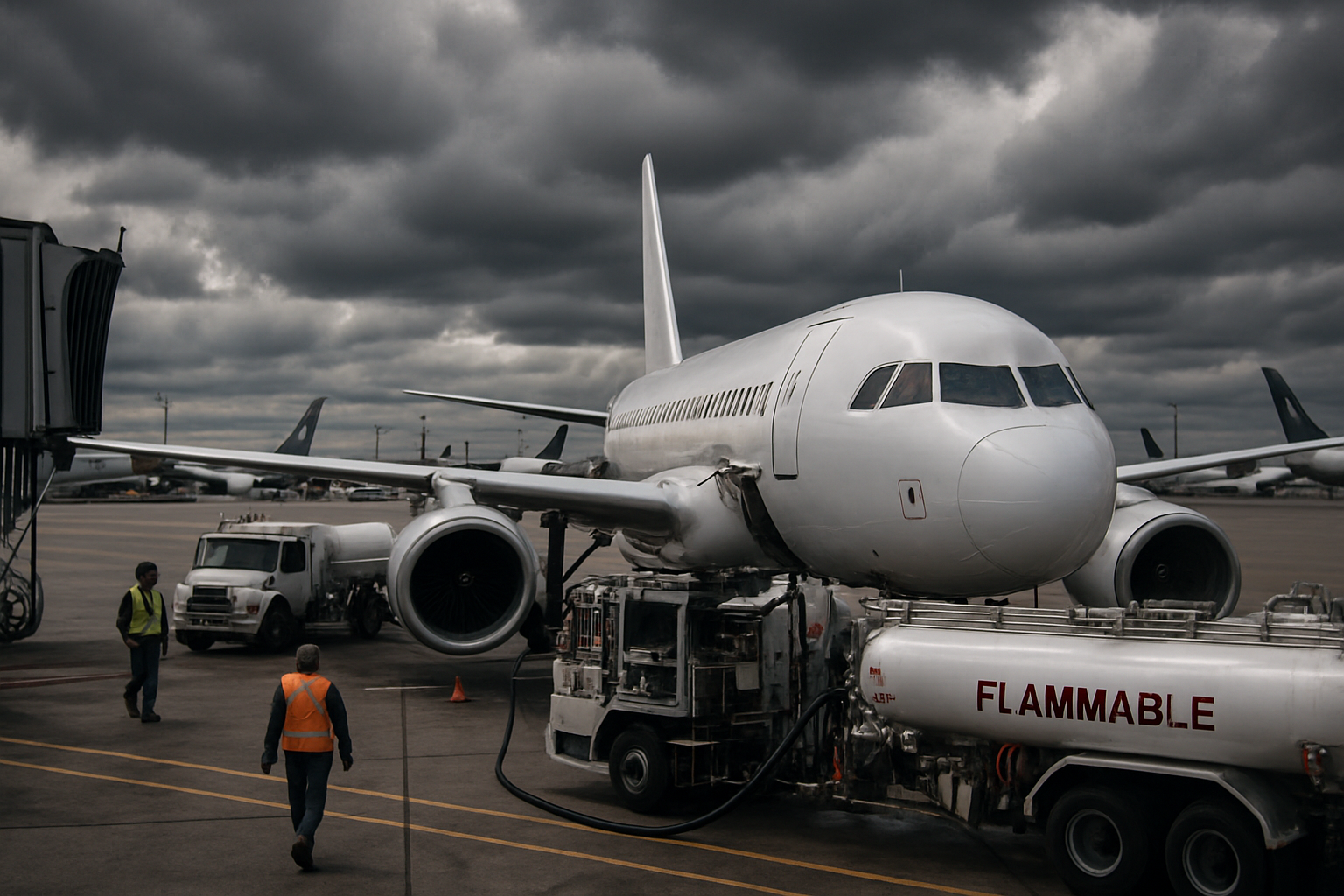
The aviation sector faces an unprecedented fuel cost crisis, with jet fuel prices surging by 122% from $85-90 to $150-200 per barrel due to ongoing disruptions in the Strait of Hormuz, which handles 40% of global oil transit. This dramatic increase has forced airlines across Europe to implement emergency surcharges and cancel routes deemed economically unviable.
Slovak media reports indicate that carriers are already introducing substantial surcharges of up to €319 per ticket, with summer vacation prices expected to reach record levels. The confluence of Middle East conflicts and expensive fuel is pushing airline operational costs beyond sustainable limits.
Major carriers have responded with varying strategies:
- Norwegian Airlines deployed 125 additional flights after SAS cancelled over 1,000 flights due to unsustainable fuel costs
- Air France-KLM implemented emergency surcharges of €50 for economy and €200 for business class on long-haul routes
- Multiple airlines suspended Middle Eastern operations indefinitely, including Emirates, Etihad, and Wizz Air
Global Aviation Network Under Strain
The current crisis represents the most extensive aviation disruption since the COVID-19 pandemic, with over 18,000 flights cancelled worldwide since March 2026. Eight Middle Eastern countries have maintained simultaneous airspace closures, creating what industry experts describe as an "aviation black hole" that has severed critical Europe-Asia corridors.
Dubai International Airport, the world's busiest with 86 million passengers annually, remains completely shut down due to missile damage, eliminating a vital hub that connected European travelers to Asian destinations. This closure has forced airlines to develop complex rerouting strategies, often involving Caribbean stopovers for trans-Pacific routes, dramatically increasing operational costs.
Industry Transformation Accelerates
The crisis has accelerated fundamental changes within the aviation industry. Airlines are implementing enhanced security screening procedures, mandatory conflict insurance policies, and pre-approval systems for high-risk destinations. These measures, initially temporary, are becoming permanent features of international air travel.
Route diversification has become an urgent priority as the industry's over-dependence on Middle Eastern hubs has been starkly exposed. Airlines are exploring alternative routing patterns and developing secondary hub operations to reduce vulnerability to geopolitical disruptions.
Travel insurance providers have also revealed significant gaps in coverage, as standard policies exclude war-related cancellations. This has driven a fundamental shift toward comprehensive package tours over independent travel arrangements, as consumers seek protection against unpredictable disruptions.
Regional Winners and Losers Emerge
The crisis has created clear winners and losers in the global tourism market. European destinations, particularly Croatia and Spain, are benefiting as travelers seek safer alternatives to traditional Middle Eastern transit routes. Croatia has positioned itself as a leading alternative with Europe's most extensive seasonal healthcare network, operating 62 tourist medical clinics.
Conversely, destinations dependent on Middle Eastern hub connections face significant challenges. The Caribbean region confronts a "perfect storm" of Middle East disruptions combined with other regional challenges, while New Zealand's tourism recovery is threatened as one-third of European travelers typically use Middle Eastern airports for connections.
Economic Ripple Effects
The aviation crisis has generated severe economic consequences beyond the travel sector. Oil prices have surged past $80 per barrel, triggering increases in natural gas prices of 24% in Europe and 78% in the United States. Stock markets have experienced significant volatility, with some experiencing their largest single-day declines in history.
Supply chain disruptions affect industries far beyond transportation, as manufacturing sectors dependent on Persian Gulf logistics face severe operational challenges. The crisis demonstrates the interconnected nature of global commerce and the vulnerability of modern economic systems to regional conflicts.
Uncertain Recovery Timeline
Unlike weather-related disruptions that follow predictable patterns, the current aviation crisis depends on military and diplomatic resolution of Middle East conflicts. Airlines are conducting daily operational reviews but cannot make long-term scheduling decisions while multiple airspaces remain closed and fuel prices remain volatile.
Industry experts emphasize that this represents a template-setting moment for 21st-century aviation crisis management. The successful navigation of these challenges will influence aviation policy, emergency planning frameworks, and international cooperation mechanisms for decades to come.
As the crisis enters its fourth month, the aviation industry faces a critical choice between maintaining global connectivity and adapting to regionalized, security-conscious travel patterns. The decisions made in the coming weeks will fundamentally reshape international mobility and determine whether the sector emerges stronger and more resilient, or fragments into limited regional networks that prioritize security over seamless global connections.