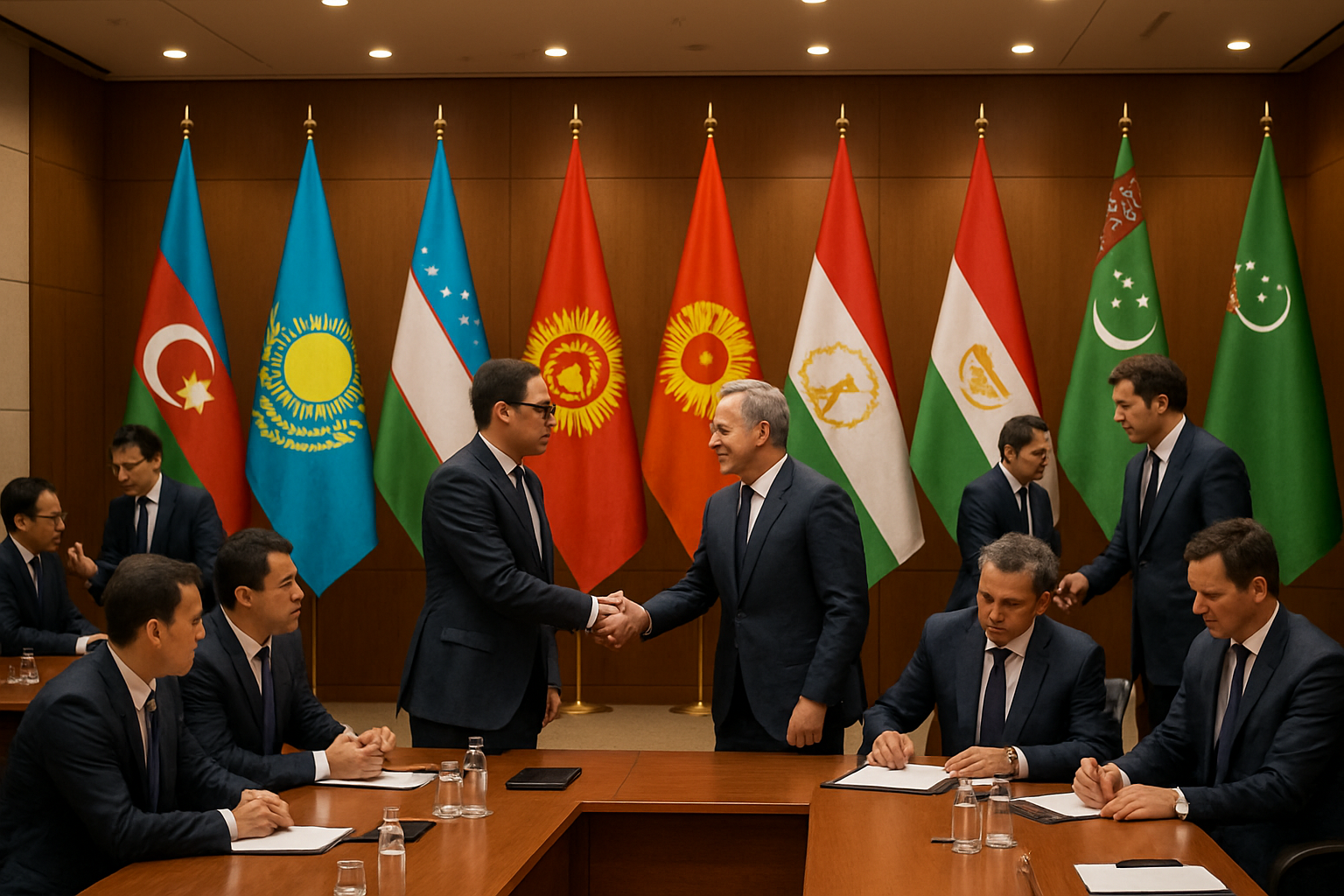
Azerbaijan has positioned Central Asia as a "natural strategic partner" during a landmark international conference in Baku, marking a significant step forward in regional diplomatic relations and energy cooperation frameworks that are reshaping geopolitical dynamics across the South Caucasus.
The international conference titled "C6: One Region, One Shared Future – Strengthening Strategic Dialogue," organized by the Center of Analysis of International Relations (CAIR) in Baku, brought together high-level officials and strategic analysts to discuss enhanced cooperation mechanisms between Azerbaijan and Central Asian nations.
Strategic Partnership Vision
Farid Shafiyev, Chairman of the Board of the Center of Analysis of International Relations, delivered a keynote address emphasizing the depth of potential cooperation between Azerbaijan and Central Asian countries. "Central Asia is not merely a neighbor for Azerbaijan, but a natural partner," Shafiyev declared during the conference proceedings.
This diplomatic initiative builds upon Azerbaijan's recent emergence as a key regional energy coordinator, recognized by the US Chamber of Commerce as a strategic East-West energy hub. The timing of the C6 conference reflects Azerbaijan's growing international profile following the signing of a Strategic Partnership Charter with the United States in February 2026.
Energy Cooperation Framework
Azerbaijan's positioning as a regional energy coordinator has gained significant momentum in recent months. The country's current trade relationship with the United States totals $74.9 million annually, including aluminum plating ($31.7 million), petroleum resins ($6.51 million), and ferroalloys ($6.79 million). However, this represents only a fraction of Azerbaijan's potential, given its $27.2 billion in total global exports.
The Azeri Light crude oil, trading at approximately $71.21 per barrel at Italy's Augusta port, demonstrates the country's continued importance in global energy markets. This strategic position has attracted increased American interest in South Caucasus energy cooperation, with natural gas prices having surged 24% in Europe and 78% in the United States amid ongoing market volatility.
Regional Integration Context
The C6 conference occurs within a broader context of regional integration efforts across Central Asia. Recent diplomatic developments include Kazakhstan's strengthening partnerships with both Pakistan and the United States, Uzbekistan's business council initiatives with American partners, and growing cooperation frameworks spanning energy, technology, and trade sectors.
"Central Asia represents a crucial component of our strategic vision for regional connectivity and energy cooperation."
— Conference participant, as quoted by diplomatic sources
The conference's emphasis on "One Region, One Shared Future" reflects a comprehensive approach to regional cooperation that extends beyond traditional energy partnerships to encompass technological development, educational exchanges, and strategic dialogue mechanisms.
US-Azerbaijan Partnership Impact
The strengthening of US-Azerbaijan relations has created new opportunities for regional cooperation. Vice President JD Vance's historic visit to Baku in February 2026 resulted in the Strategic Partnership Charter, which includes provisions for regional economic opportunities through the TRIPP project and enhanced cooperation frameworks.
The US Chamber of Commerce's recognition of Azerbaijan as a key regional energy coordinator has led to expanded business activities and investment potential. Chamber officials have identified high investment potential across energy, tourism, and regional coordination sectors, positioning Azerbaijan as an attractive global investment destination with regional hub capabilities.
Geopolitical Implications
Azerbaijan's diplomatic outreach to Central Asian nations occurs amid broader geopolitical shifts affecting the region. The country's unique position as a bridge between Europe and Asia, combined with its energy resources and strategic location, makes it an increasingly important player in regional affairs.
The C6 conference represents part of a systematic approach to building strategic partnerships that complement Azerbaijan's existing international relationships. This includes cooperation with various global partners while maintaining its sovereignty and pursuing mutually beneficial arrangements.
Economic Development Prospects
The strategic partnership initiative with Central Asian countries opens significant economic development prospects. Azerbaijan's experience in energy sector development, combined with Central Asia's vast resources and growing economies, creates opportunities for technology transfer, joint ventures, and coordinated development projects.
Recent energy sector investments, including bp's $3.4 billion commitment to the Shah Deniz gas field, demonstrate international confidence in Azerbaijan's energy infrastructure. Such investments create spillover effects that can benefit broader regional cooperation initiatives.
Implementation Framework
The C6 conference established working frameworks for sustained cooperation across multiple sectors. These include regular high-level consultations, technical working groups, joint investment committees, and monitoring mechanisms to ensure effective implementation of partnership agreements.
The Center of Analysis of International Relations, as the organizing institution, will continue to facilitate dialogue and coordination between Azerbaijan and Central Asian partners. This institutional framework provides continuity for long-term strategic planning and relationship development.
Future Outlook
Azerbaijan's positioning as a natural strategic partner for Central Asian nations reflects the country's evolving role in regional and global affairs. The success of the C6 conference demonstrates the potential for enhanced cooperation that could reshape economic and diplomatic relationships across the broader region.
The initiative builds upon Azerbaijan's existing strengths while creating new opportunities for regional integration that respects national sovereignty and promotes mutual benefits. As global energy markets continue to evolve and geopolitical dynamics shift, such regional partnerships become increasingly important for ensuring stability and prosperity.
The C6 conference represents a significant milestone in South Caucasus-Central Asian relations, establishing frameworks that could influence regional cooperation for years to come. The emphasis on strategic dialogue and shared futures indicates a mature approach to international relations that prioritizes long-term stability and mutual prosperity over short-term gains.