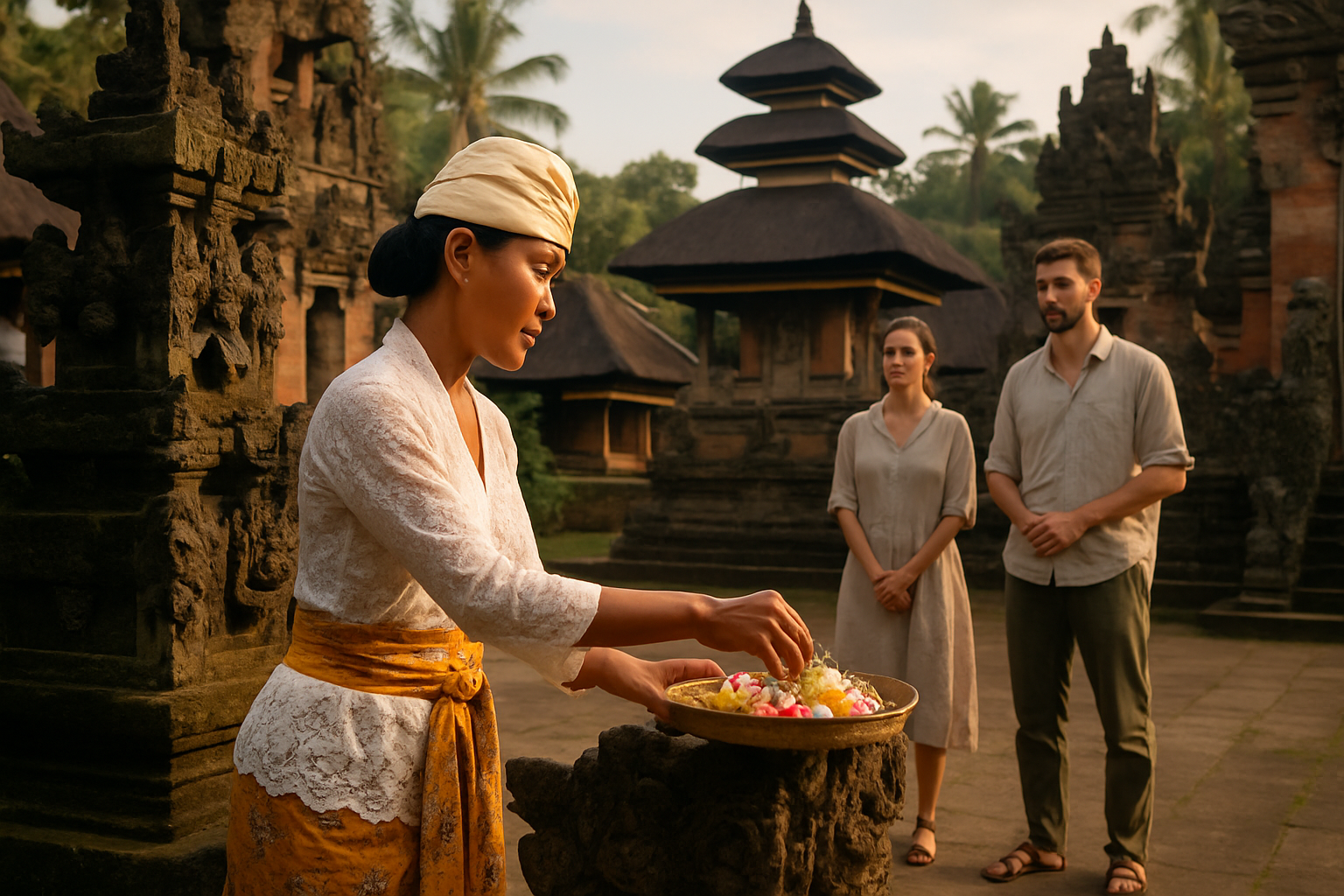
Bali offers untold depth for the thinking traveler, but according to six local experts who call the island home, most visitors barely scratch the surface of what this Indonesian paradise truly offers.
The world's perception of Bali has been shaped by decades of marketing that emphasizes beaches, temples, and Instagram-worthy rice terraces. But this narrative, according to long-term residents and cultural experts, represents only a fraction of the island's authentic character and profound cultural heritage.
Beyond the Tourist Trail: The Real Bali
"The biggest misconception is that Bali is just about relaxation and partying," explains Made Sutrisna, a cultural anthropologist who has spent fifteen years documenting traditional Balinese practices. "Visitors come expecting a tropical playground, but they miss the sophisticated philosophical and artistic traditions that have sustained this society for over a thousand years."
The expert consensus reveals that most travelers confine themselves to a narrow corridor between the airport, Seminyak's beach clubs, and Ubud's wellness retreats. This limited geographic focus means missing entire regions where authentic Balinese life continues largely unchanged by tourism development.
"When tourists talk about 'authentic Bali,' they usually mean the sanitized version presented in resort brochures. Real authenticity requires engaging with communities where tourism isn't the primary economic driver."
— Kadek Artawa, Community Development Specialist
Cultural Misunderstandings: Religion and Daily Life
Perhaps the most significant disconnect occurs around Balinese Hinduism, which differs substantially from Indian Hindu traditions. Many visitors photograph temple ceremonies without understanding their spiritual significance or appropriate behavior protocols.
"Tourists often treat our temples like theme parks," notes Ni Wayan Serini, a traditional dance instructor and temple guardian. "They don't realize that every ceremony has specific sacred purposes related to maintaining cosmic balance. When you understand this philosophy, the entire island reveals different meanings."
The experts emphasize that Balinese culture operates on community-centered principles called "Tri Hita Karana" – harmony between humans, nature, and the divine. This philosophy influences everything from agricultural practices to architectural design, but remains invisible to most visitors focused on individual experiences.
Economic Realities: Tourism's Double-Edged Impact
While tourism provides essential income, local experts point to growing disparities between international visitor spending power and local wages. This economic imbalance affects everything from land prices to cultural preservation efforts.
"Tourism money often doesn't reach traditional communities," explains economist Dr. Putu Mahardika. "Profits concentrate in international hotel chains and tour operators, while villages struggle to maintain traditional practices without adequate funding for cultural education and ceremony preparations."
The COVID-19 pandemic's devastating impact on Bali's tourism-dependent economy highlighted these vulnerabilities. Communities with diversified economic activities – combining agriculture, traditional crafts, and selective tourism – demonstrated greater resilience during the crisis.

Environmental Consequences: Paradise Under Pressure
Mass tourism's environmental impact extends far beyond obvious problems like plastic waste and traffic congestion. Water scarcity affects rice farming – the foundation of Balinese culture – as hotels and resorts consume resources traditionally reserved for agricultural irrigation systems.
"The ancient 'subak' irrigation system represents centuries of sustainable water management," explains environmental scientist I Gede Pitana. "But tourism development disrupts these traditional systems, forcing farmers to abandon rice cultivation for more immediate economic opportunities."
Coastal erosion accelerated by beachfront development threatens traditional fishing communities, while volcanic slopes face deforestation pressure from villa construction targeting foreign investors and digital nomads.
Language and Communication: Lost in Translation
Communication barriers prevent meaningful cultural exchange, according to local educators. While many Balinese speak functional English for tourism interactions, deeper conversations about philosophy, arts, and social issues require language skills most visitors lack.
"Tourists often mistake politeness for genuine connection," observes language teacher Ketut Liyer. "Balinese culture emphasizes harmony and avoiding confrontation, so we rarely express disagreement directly. Visitors interpret this as universal approval of their behavior, missing important cultural cues."
"Learning even basic Bahasa Indonesia opens doors to conversations impossible in English-only interactions. Locals appreciate the effort and share perspectives they wouldn't offer to typical tourists."
— Sarah Chen, Cultural Liaison Specialist
Alternative Approaches: Responsible Tourism Models
The experts advocate for tourism models emphasizing cultural education, community benefit, and environmental sustainability. Successful examples include village-based homestays where visitors participate in daily activities like rice harvesting, traditional cooking, and ceremony preparations.
These experiences require longer stays and deeper engagement but provide authentic insights into Balinese worldview while ensuring tourism revenue reaches local families directly rather than filtering through international corporations.
"Slow tourism benefits everyone," argues sustainable tourism consultant Wayan Sudana. "Visitors gain meaningful experiences, communities receive fair economic benefits, and cultural traditions survive through practical engagement rather than mere observation."
Seasonal Considerations: Timing and Expectations
Most tourists visit during peak dry season, creating overcrowding while missing the island's natural rhythms. Wet season offers different perspectives on Balinese life, including agricultural cycles, water ceremonies, and indoor cultural activities often overlooked by fair-weather visitors.
Festival calendars based on Balinese lunar calendar systems provide opportunities for authentic cultural immersion, but require advance planning and cultural preparation that standard tourism packages rarely include.
Regional Diversity: Beyond Ubud and Seminyak
Each region maintains distinct cultural characteristics, crafts traditions, and dialects. North Bali's Buddhist influences, East Bali's traditional weaving, and West Bali's national park ecosystems offer entirely different experiences from the heavily touristed southern peninsula.
"Every village has unique ceremonies, architectural styles, and social customs," notes cultural researcher Dr. Agung Paramartha. "Treating Bali as a homogeneous destination prevents visitors from appreciating this remarkable diversity within a relatively small island."
Practical Recommendations for Conscious Travelers
The experts provide specific advice for visitors seeking authentic engagement:
- Extend stays beyond typical week-long visits to allow relationship building
- Learn basic Indonesian and Balinese phrases before arrival
- Participate in village-level tourism initiatives rather than resort-based activities
- Respect temple dress codes and ceremony protocols without photography
- Support traditional crafts by purchasing directly from artisan workshops
- Choose accommodation owned by local families rather than international chains
Future Challenges and Opportunities
As global tourism recovers from pandemic disruptions, Bali faces decisions about development direction. Local experts emphasize the need for tourism policies prioritizing cultural preservation and community benefit over maximum visitor numbers.
"We have an opportunity to rebuild tourism more thoughtfully," concludes cultural preservation advocate Ida Ayu Agung Mas. "Success should be measured by cultural vitality and community wellbeing, not just arrival statistics and foreign exchange earnings."
The path forward requires collaboration between visitors, tourism operators, government agencies, and local communities to create sustainable models respecting Balinese culture while providing economic opportunities. This transformation depends partly on travelers willing to invest time and effort in understanding the profound complexity beneath Bali's surface beauty.
For those ready to go deeper, Bali offers extraordinary rewards – not just picturesque landscapes and pleasant weather, but insights into one of the world's most sophisticated traditional societies adapting to modern global pressures while maintaining its essential spiritual and cultural character.