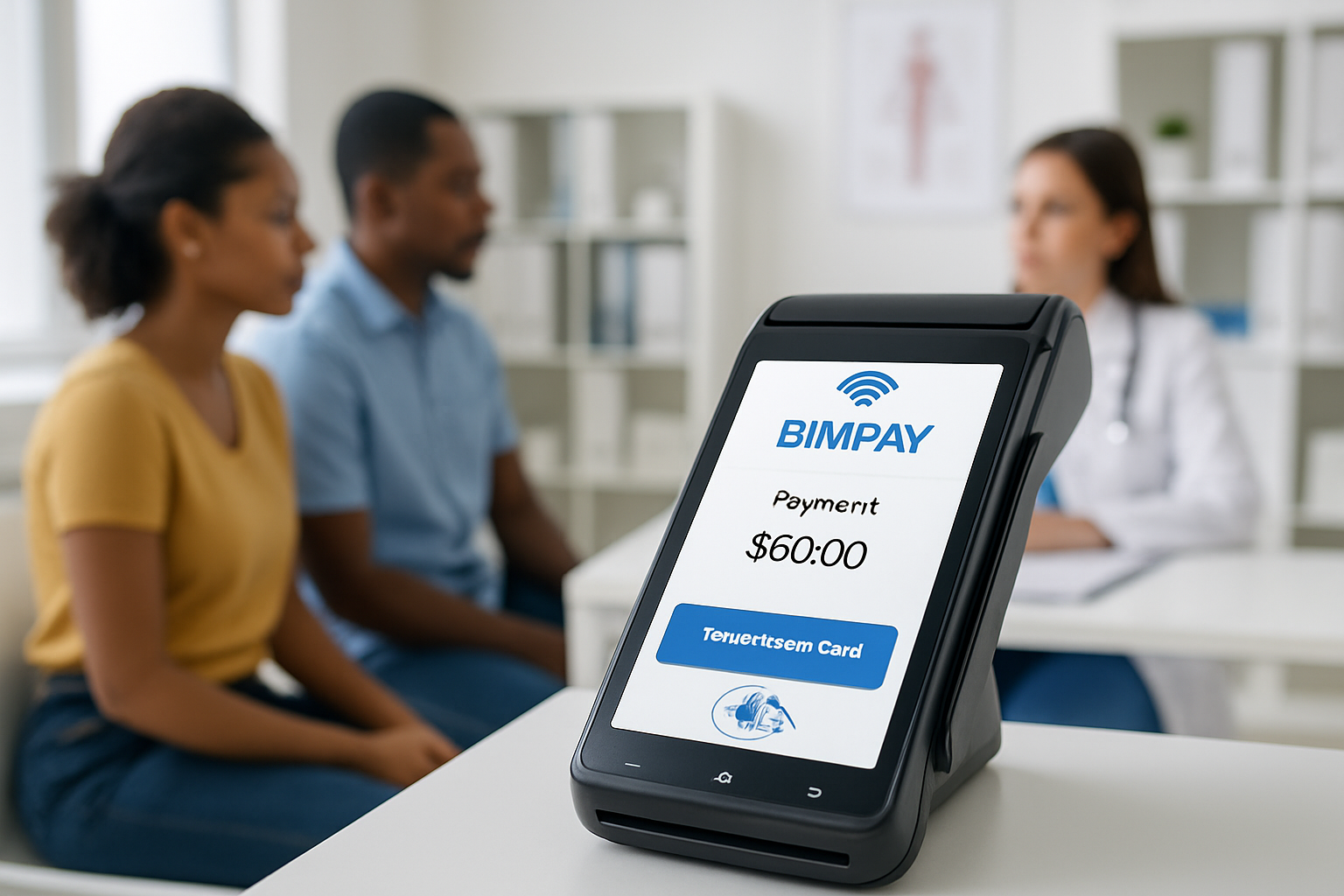
Barbados has postponed the launch of its groundbreaking BiMPay digital medical payment system from March 31 to June 12, 2026, while Central Bank Governor Kevin Greenidge provides firm assurances that the delay will not result in cost increases for the ambitious Caribbean fintech initiative.
The announcement represents a significant setback for what was positioned as a revolutionary instant digital payment system designed to transform healthcare transactions across the financial sector. Governor Greenidge made the disclosure during a media briefing today, emphasizing that despite the postponement, the project's financial parameters remain unchanged.
"The only change is the launch date, not the price tag," Greenidge stated emphatically during the briefing, while declining to disclose the total cost of the project. The reassurance comes as Caribbean nations increasingly focus on digital transformation initiatives to enhance healthcare accessibility and financial efficiency.
Technical Challenges Behind the Delay
The BiMPay system was originally conceived to enable faster and more efficient digital transactions across Barbados' healthcare sector, addressing longstanding challenges with payment processing delays that have affected both patients and medical providers. The three-month postponement suggests the technical complexity of integrating medical billing systems with instant digital payment infrastructure has proven more challenging than initially anticipated.
Deputy Governor of the Central Bank of Barbados, Michelle Doyle, had previously outlined the system's ambitious scope, which includes real-time payment processing, secure patient data integration, and seamless connectivity with existing healthcare management systems. The delay indicates that ensuring robust cybersecurity measures and regulatory compliance has required additional development time.
Regional Context and Competition
The BiMPay delay occurs within a broader Caribbean digital transformation landscape where neighboring nations are aggressively pursuing fintech innovations. The postponement positions Barbados slightly behind regional competitors who have successfully launched similar digital payment initiatives.
The system's development aligns with global trends toward government-backed digital payment solutions, which have demonstrated superior stability compared to volatile cryptocurrency markets. Nigeria, for instance, has achieved 43% of fuel sales through digital payments with same-day settlements, while Slovakia is pioneering a €1.3 billion digital euro pilot project.
Healthcare Sector Impact
Medical providers across Barbados had been preparing for the March rollout, with many facilities investing in compatible payment terminals and staff training programs. The delay necessitates continued reliance on traditional payment methods, potentially affecting cash flow management for smaller medical practices that had anticipated the efficiency gains from instant digital settlements.
Healthcare administrators report that current payment processing delays can extend several days, creating liquidity challenges particularly for emergency medical services and specialist treatments. The BiMPay system was designed to eliminate these bottlenecks through real-time transaction processing and automated insurance claim integration.
Economic Implications
Despite Governor Greenidge's cost assurances, the delay raises questions about the project's overall financial management and timeline reliability. Infrastructure delays in digital payment systems often compound costs through extended development periods, additional testing requirements, and postponed revenue generation from transaction fees.
The Central Bank's commitment to maintaining the original budget suggests either robust contingency planning or absorption of additional costs to preserve public confidence in the initiative. This approach reflects the strategic importance placed on establishing Barbados as a Caribbean fintech leader.
"The BIM Pay system is expected to allow faster and more efficient digital transactions across the financial sector."
— Central Bank of Barbados, Official Statement
Security and Regulatory Considerations
The additional development time likely reflects heightened attention to cybersecurity protocols, given the sensitive nature of medical payment data. Healthcare payment systems must comply with stringent privacy regulations while maintaining accessibility for elderly patients and those with limited digital literacy.
Regional financial regulators have emphasized the importance of robust security measures following global increases in digital payment fraud. The delay may indicate that Barbadian authorities are implementing enhanced encryption protocols and multi-factor authentication systems to protect patient financial information.
Public Communication Strategy
The Central Bank's proactive communication about the delay demonstrates awareness of public expectations and the need to maintain confidence in the digital transformation initiative. By immediately addressing cost concerns, officials appear to be applying lessons from other jurisdictions where digital infrastructure delays triggered budget controversies.
The June timeline provides a more realistic development window while avoiding the peak tourist season, potentially allowing for more comprehensive testing with local users before full-scale deployment during periods of higher healthcare system utilization.
Future Implementation Strategy
The revised June 12 launch date positions BiMPay for deployment during a period when healthcare facilities can focus on system integration without the additional pressures of peak seasonal demand. This strategic timing may ultimately benefit long-term adoption rates and user satisfaction.
Success of the BiMPay system could establish Barbados as a template for other Caribbean nations seeking to modernize healthcare payment infrastructure. The system's eventual implementation will be closely monitored by regional development institutions and international fintech observers.
The delay, while disappointing for stakeholders who had prepared for the March launch, reflects a cautious approach prioritizing system reliability over rushed deployment. Governor Greenidge's cost guarantees suggest confidence that the additional development time will result in a more robust platform capable of handling the complex demands of modern healthcare payment processing.