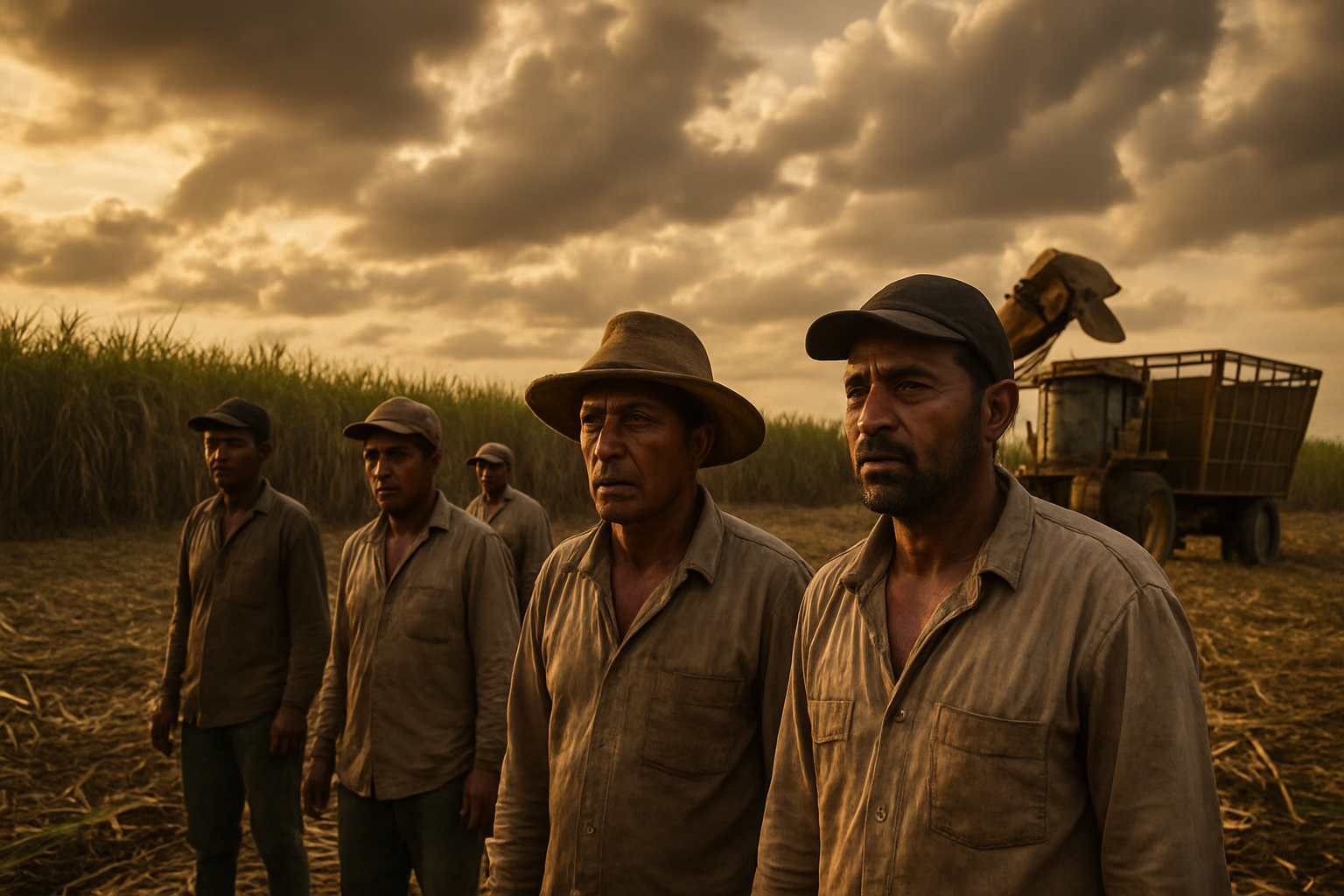
Barbados' sugar industry faces its most critical challenge in decades as worker shortages and operational disruptions at the Portvale Sugar Factory threaten to derail the 2026 harvest season, prompting urgent warnings from farmers and industry stakeholders about potential long-term consequences for the Caribbean nation's historically significant agricultural sector.
The Barbados Sugar Industry Ltd. (BSIL), representing farmers responsible for delivering 65% of sugar cane annually to the Portvale factory, issued a stark statement addressing the escalating crisis that has delayed the crucial harvest period and raised serious concerns about sugar quality degradation.
Worker Shortages Disrupt Critical Operations
Operations at the Portvale Sugar Factory encountered significant disruptions as several workers associated with the Unity Workers Union called out sick, creating immediate operational challenges during the peak harvest season. General Secretary of the Unity Workers Union, Caswell Franklyn, expressed uncertainty about worker availability for subsequent shifts, highlighting the unpredictable nature of the staffing crisis.
While a spokesperson for the Barbados Energy and Sugar Company Inc. (BESCO) downplayed the immediate impact, acknowledging "a few absences" but asserting no significant operational disruption, the broader implications of the worker shortage have become increasingly apparent as the crisis persists.
"Any further delay will negatively impact the benefits derived from the sugar industry and may contribute to its collapse."
— Barbados Sugar Industry Ltd. Statement
Franklyn confirmed that the situation represents genuine medical concerns rather than coordinated labor action, with several workers seeking medical attention. However, the timing of these absences during the critical harvest period has amplified concerns about operational continuity and industry sustainability.
Farmers Sound Alarm Over Harvest Delays
BSIL farmers have emphasized that February 15th represents the optimal starting date for sugar cane harvest operations, arguing that delays beyond this point result in inferior quality cane with consequent reductions in both sugar quality and overall tonnage production.
The ongoing dispute between factory management and the Unity Workers Union has created additional complications, with BSIL consistently maintaining that the Portvale factory falls under the Safety and Health at Work Act (SHAW), proclaimed in 2013, during negotiations with the Barbados Workers Union and other stakeholders.
The cumulative effect of these delays has created a cascading impact throughout the sugar production chain, affecting not only immediate harvest operations but also threatening the long-term viability of what has historically been a cornerstone of Barbados' agricultural economy.
Economic Analysis Offers Cautious Optimism
Despite the immediate operational challenges, University of the West Indies economist Dr. Antonio Alleyne has provided a more measured assessment of the crisis, suggesting that the late start to this year's sugar harvest season may not constitute a major financial catastrophe for the industry.
Dr. Alleyne's analysis, delivered during a comprehensive interview with CBC's Anesta Henry, focused on the delayed start to the 2026 crop due to recent issues at the Portvale Sugar Factory, offering a perspective that balances immediate concerns with longer-term economic realities.
His assessment comes at a critical time when industry stakeholders are grappling with the intersection of operational challenges and economic pressures that have characterized the Caribbean sugar industry in recent years.
Historical Context of Caribbean Sugar Challenges
The current crisis occurs within a broader context of ongoing challenges facing Caribbean sugar industries, with regional producers having experienced various forms of disruption and transformation over the past decade. The Barbados situation reflects wider patterns of labor relations difficulties, technological adaptation requirements, and market pressures that have affected sugar production across the Caribbean basin.
Previous disruptions in the region have included temporary suspensions of grinding operations and shift work affecting harvest schedules, demonstrating that the current challenges, while serious, are part of a larger pattern of industry adaptation to changing economic and operational realities.
The historical significance of sugar production in Barbados adds weight to current concerns, as the industry has long served as both an economic cornerstone and a symbol of the island's agricultural heritage and expertise.
Government Response and Industry Coordination
Minister of Agriculture, Food and Nutritional Security, Dr. Shantal Munro-Knight, announced during a recent media conference that grinding operations had finally commenced at the Blower's factory in St James, providing some relief to the overall production outlook despite ongoing challenges at Portvale.
The coordination between different production facilities has become increasingly important as the industry seeks to maintain overall output levels while addressing specific operational challenges at individual sites.
The government's response has emphasized the importance of all parties moving forward swiftly to ensure that the 2026 crop can be harvested successfully, benefiting workers, the public, and the broader Barbadian economy.
Labor Relations and Worker Welfare
The dispute highlights ongoing tensions between operational continuity requirements and legitimate worker concerns about safety, working conditions, and workplace standards. The Unity Workers Union's position reflects broader labor relations challenges that extend beyond immediate staffing issues to encompass fundamental questions about worker welfare and industry sustainability.
The fact that workers are seeking medical attention rather than engaging in coordinated labor action suggests that underlying health and safety concerns may be contributing to the operational disruptions, adding complexity to resolution efforts and emphasizing the need for comprehensive approaches to worker welfare.
Regional and Economic Implications
The Barbados sugar crisis occurs within a broader context of Caribbean agricultural transformation, where traditional industries face pressure from climate change, labor market evolution, and global economic shifts. The island's experience may serve as a case study for other Caribbean nations grappling with similar challenges in their agricultural sectors.
The economic implications extend beyond immediate production concerns to encompass questions about rural employment, export revenue, and the long-term sustainability of traditional agricultural industries in small island developing states.
The resolution of the current crisis will likely influence future approaches to agricultural labor relations, industry modernization, and the balance between tradition and innovation in Caribbean agriculture.
Looking Forward: Recovery and Sustainability
Industry stakeholders emphasize that swift resolution of current challenges is essential not only for the immediate harvest season but also for maintaining confidence in the long-term viability of Barbados' sugar industry. The complex interplay of labor relations, operational efficiency, and economic sustainability requires coordinated responses from government, industry, and worker representatives.
The current situation underscores the importance of proactive planning, effective communication between stakeholders, and adaptive management approaches that can address both immediate operational needs and longer-term industry development requirements.
As the 2026 harvest season progresses, the ability of all parties to work together effectively will determine not only the success of this year's production but also the foundation for future industry sustainability and growth in Barbados' important agricultural sector.