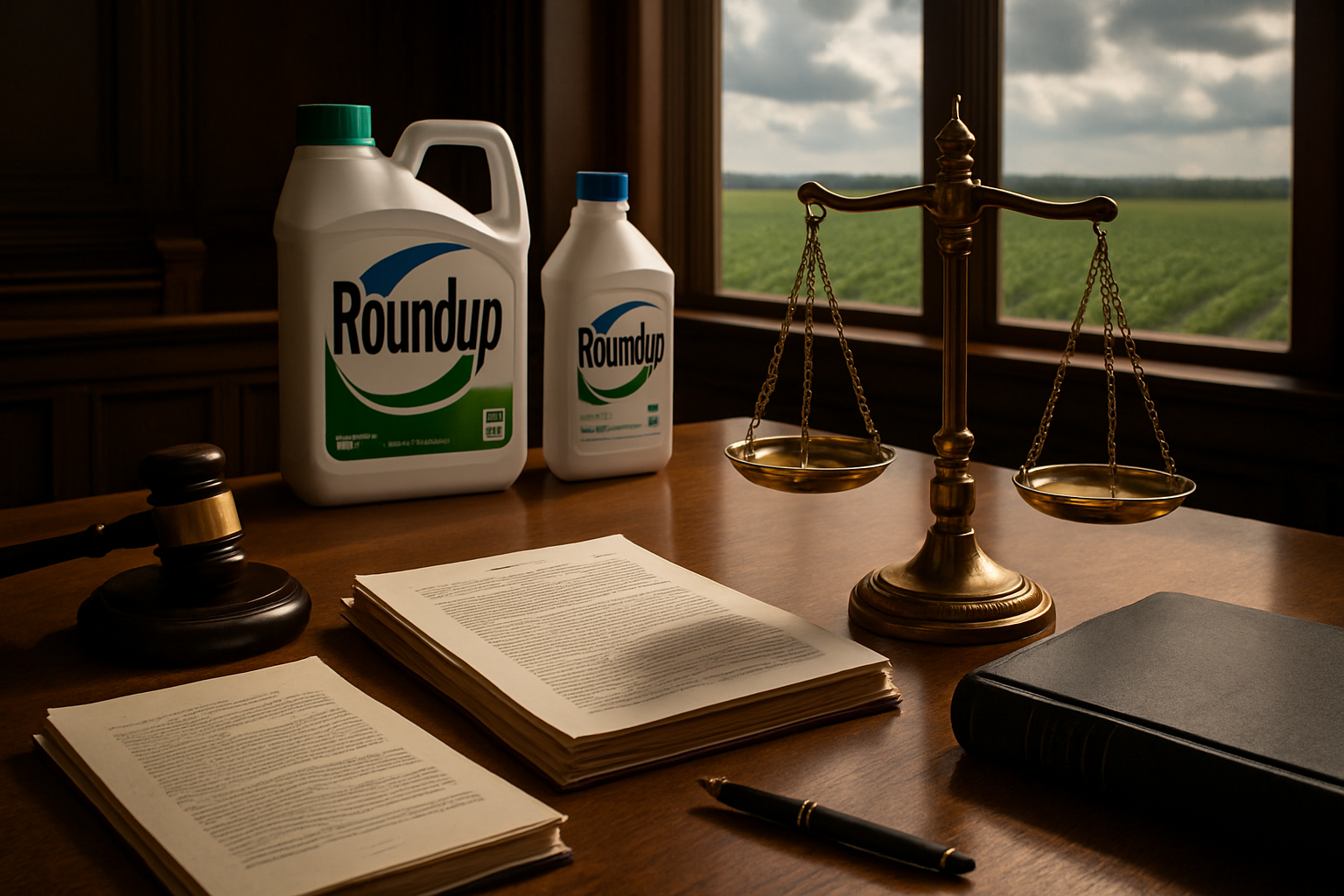
Bayer AG announced a landmark multi-billion dollar settlement agreement to resolve the vast majority of outstanding Roundup litigation, bringing potential closure to one of the largest pharmaceutical liability cases in recent history involving allegations that the company's glyphosate-based herbicide causes cancer.
The German pharmaceutical and chemical giant disclosed the comprehensive settlement framework on February 17, 2026, which aims to resolve thousands of pending and future claims related to Roundup, the world's most widely used herbicide. The agreement represents what CEO Bill Anderson described as an "important milestone" in the company's efforts to put the protracted legal battles behind them.
Settlement Details and Financial Impact
According to sources familiar with the agreement, Bayer has committed to paying billions in compensation to plaintiffs who alleged that exposure to Roundup's active ingredient, glyphosate, caused their non-Hodgkin's lymphoma and other cancers. The settlement is structured to cover both current litigation and establish a framework for resolving future claims.
The pharmaceutical company's stock price surged following the announcement, with investors expressing relief that the legal uncertainty that has plagued Bayer since its 2018 acquisition of Monsanto may finally be resolved. The settlement is expected to be funded through existing financial reserves and potential debt financing.
Global Regulatory Context
The settlement comes amid ongoing scientific and regulatory debate over glyphosate's safety profile. The International Agency for Research on Cancer (IARC), part of the World Health Organization, classified glyphosate as a "probable human carcinogen" in 2015, a determination that formed the scientific foundation for thousands of subsequent lawsuits.
"This comprehensive settlement allows us to move forward and focus on our core mission of improving lives through innovative healthcare and agricultural solutions."
— Bill Anderson, Bayer CEO
However, regulatory agencies in multiple countries, including the U.S. Environmental Protection Agency and the European Food Safety Authority, have maintained that glyphosate is unlikely to cause cancer in humans when used according to label directions. This regulatory split has created a complex legal landscape that Bayer has been navigating for years.
Legal Precedents and Class Action Framework
The Roundup litigation began in earnest following Bayer's acquisition of Monsanto in 2018 for $63 billion. High-profile jury verdicts, including awards exceeding $2 billion in some individual cases, created significant financial exposure for the company and established legal precedents that encouraged additional plaintiffs to file suit.
The settlement framework reportedly includes provisions for:
- Direct compensation to current plaintiffs based on exposure levels and medical diagnoses
- Creation of a science panel to evaluate future claims
- Funding for medical monitoring programs for individuals with documented exposure
- Administrative mechanisms to streamline claim processing
Legal experts note that the settlement structure follows patterns established in previous mass tort resolutions, such as asbestos litigation, where companies create long-term trust funds to manage both current and future claims.
Impact on Agricultural Industry
Glyphosate remains a cornerstone of modern agriculture, used on millions of acres globally to control weeds in crops ranging from soybeans to wheat. The settlement is unlikely to immediately affect glyphosate's regulatory approval status, but it may influence farmer adoption patterns and accelerate development of alternative herbicide technologies.
Agricultural economists suggest that any significant reduction in glyphosate usage could affect crop yields and farming costs, particularly for no-till farming operations that rely heavily on herbicides for weed management. The settlement includes no admission of wrongdoing by Bayer, allowing the company to continue marketing Roundup while addressing liability concerns.
Corporate Strategy and Future Outlook
For Bayer, the settlement represents an opportunity to refocus on its core pharmaceutical and agricultural innovation priorities after years of legal uncertainty. The company has been working to strengthen its product pipeline and restore investor confidence following the challenges associated with the Monsanto acquisition.
Anderson emphasized that the settlement does not constitute an admission that Roundup causes cancer, maintaining Bayer's position that decades of scientific research support glyphosate's safety when used as directed. The company plans to continue defending the science behind its products while providing compensation to resolve legal claims.
Market Response and Financial Recovery
Financial analysts view the settlement as a positive development that removes a significant overhang on Bayer's stock price and business operations. The company's shares have underperformed significantly since the Monsanto acquisition, partly due to litigation uncertainty and the associated financial reserves required to manage legal exposure.
The settlement is expected to be largely covered by existing provisions Bayer has established for litigation costs, minimizing the impact on the company's ongoing operations and research and development investments.
Broader Implications for Product Liability
Legal scholars note that the Bayer settlement continues a trend toward comprehensive resolution of mass tort litigation through negotiated agreements rather than individual jury trials. This approach can provide more predictable outcomes for both companies and plaintiffs while avoiding the costs and uncertainties of protracted litigation.
The case also highlights evolving standards for corporate responsibility in product safety, particularly when scientific evidence remains contested. Companies increasingly face pressure to address public health concerns even when regulatory agencies have not mandated product withdrawals.
Consumer advocacy groups have praised the settlement as validation of their concerns about glyphosate safety, while industry organizations maintain that the resolution reflects legal and business considerations rather than scientific determinations about product safety.
Implementation Timeline and Next Steps
The settlement agreement requires approval from federal courts overseeing the multidistrict litigation, a process that typically takes several months. Individual plaintiffs will have opportunities to evaluate settlement offers and decide whether to accept compensation or continue with individual legal claims.
Bayer expects the majority of eligible plaintiffs to participate in the settlement program, which includes expedited claim processing and streamlined documentation requirements. The company has established a dedicated administration system to manage the settlement implementation.
Looking forward, Bayer will continue facing the challenge of managing its agricultural business in an environment of evolving regulatory scrutiny and public health concerns. The company's ability to successfully implement the settlement and restore stakeholder confidence will be crucial for its long-term strategic objectives and market position.